
PHOTO
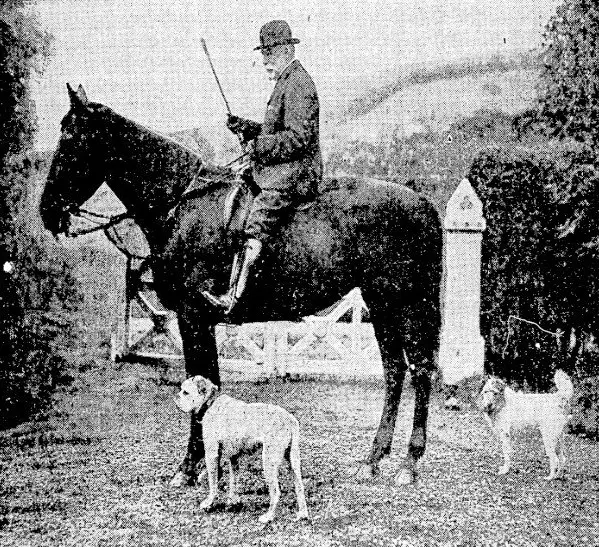

A towering figure of early Dunedin commerce lived a life of luxury while nurturing a vast merchant empire.
Percival Clay Neill shaped the city through his firm Neill & Co while enjoying life at his sprawling estate in North East Valley.
Born in Belfast in 1842, Mr Neill travelled to Victoria in 1859 before establishing a Dunedin branch of merchant firm M’Callum, Neill & Co in 1863.
The business prospered during the gold rush boom selling all sorts of supplies such as tea, tobacco, spices and soap as well as importing wine and spirits such as Hennessy’s brandy, Krug Champagne and Dunville’s whiskey.
In 1871, Percival Neill took full ownership of the Dunedin branch, becoming Messrs Neill & Co.
He married Gertrude Emmeline Fyans in 1865 and they had nine children.
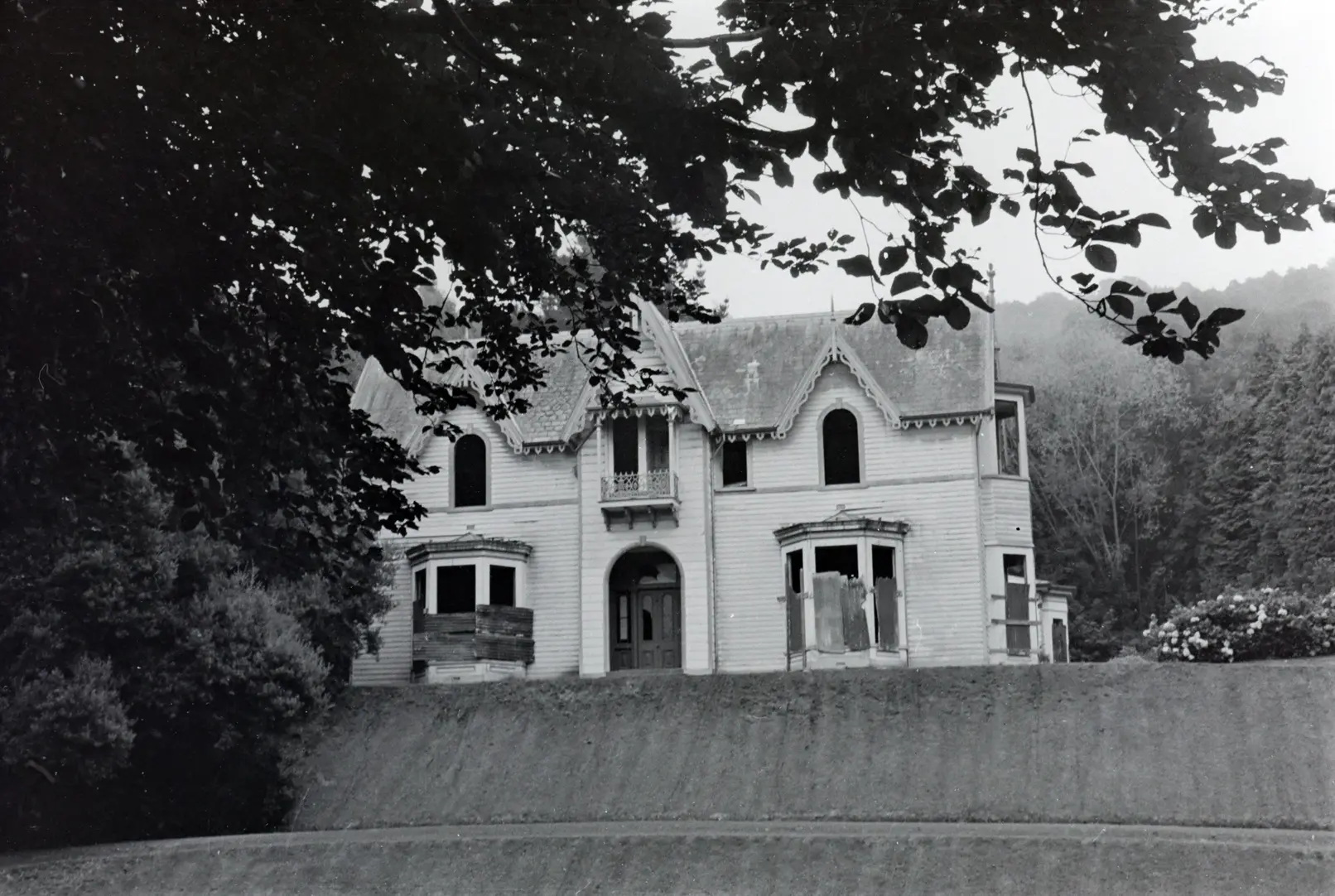
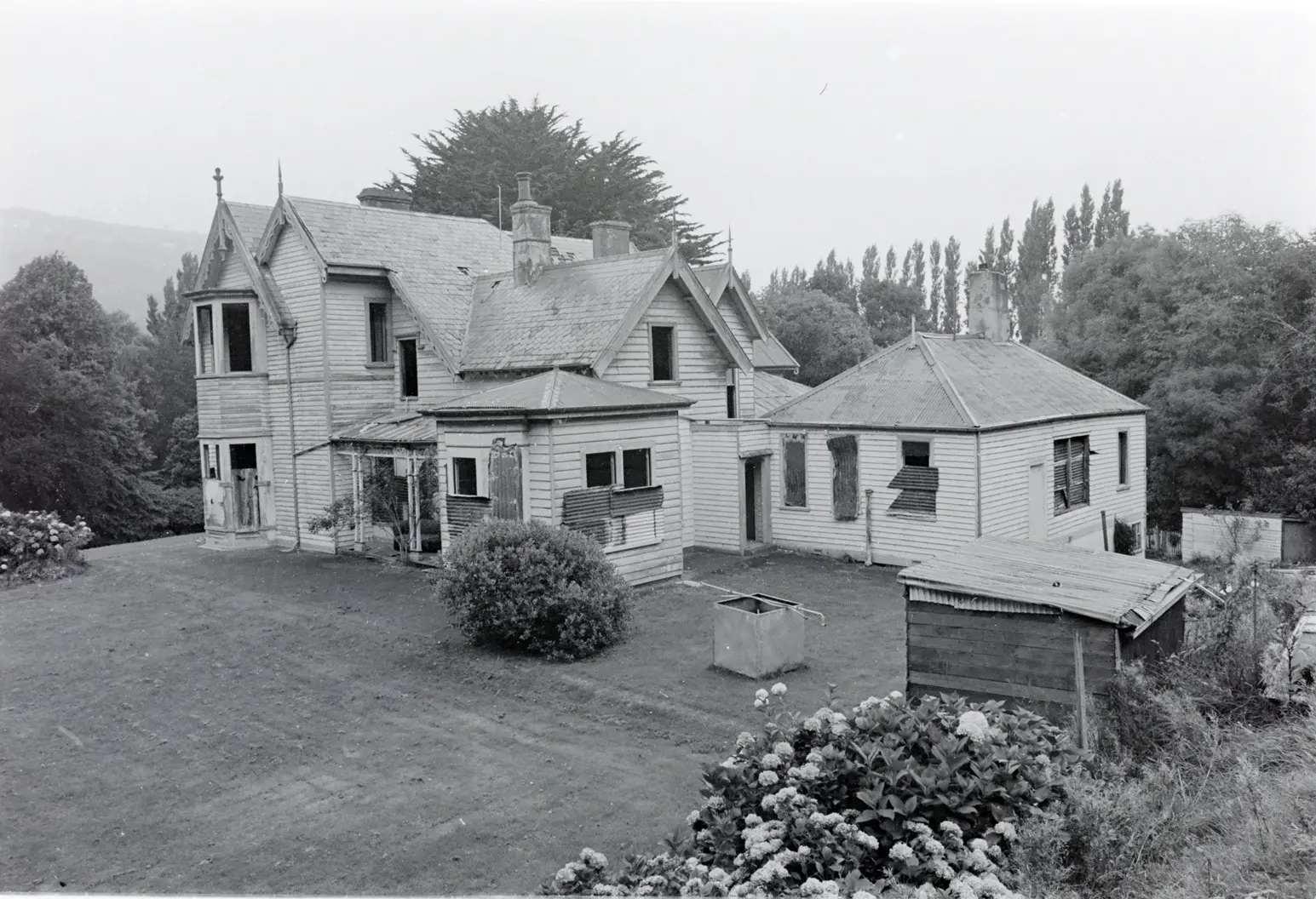
In 1877, the family’s growing wealth enabled them to move into the Chingford estate in North East Valley, enlarging an existing home into a grand and substantial mansion.
An avid equestrian, Mr Neill suffered a narrow escape in 1867 when his horse shied at a heap of clay in South Dunedin.
The Otago Daily Times described how Mr Neill was thrown to the ground, one of his feet remaining in the stirrup.

"In this position he was dragged along the road for a few yards, and, either by the fall or the horse trampling upon him, one of his legs was broken in three places."
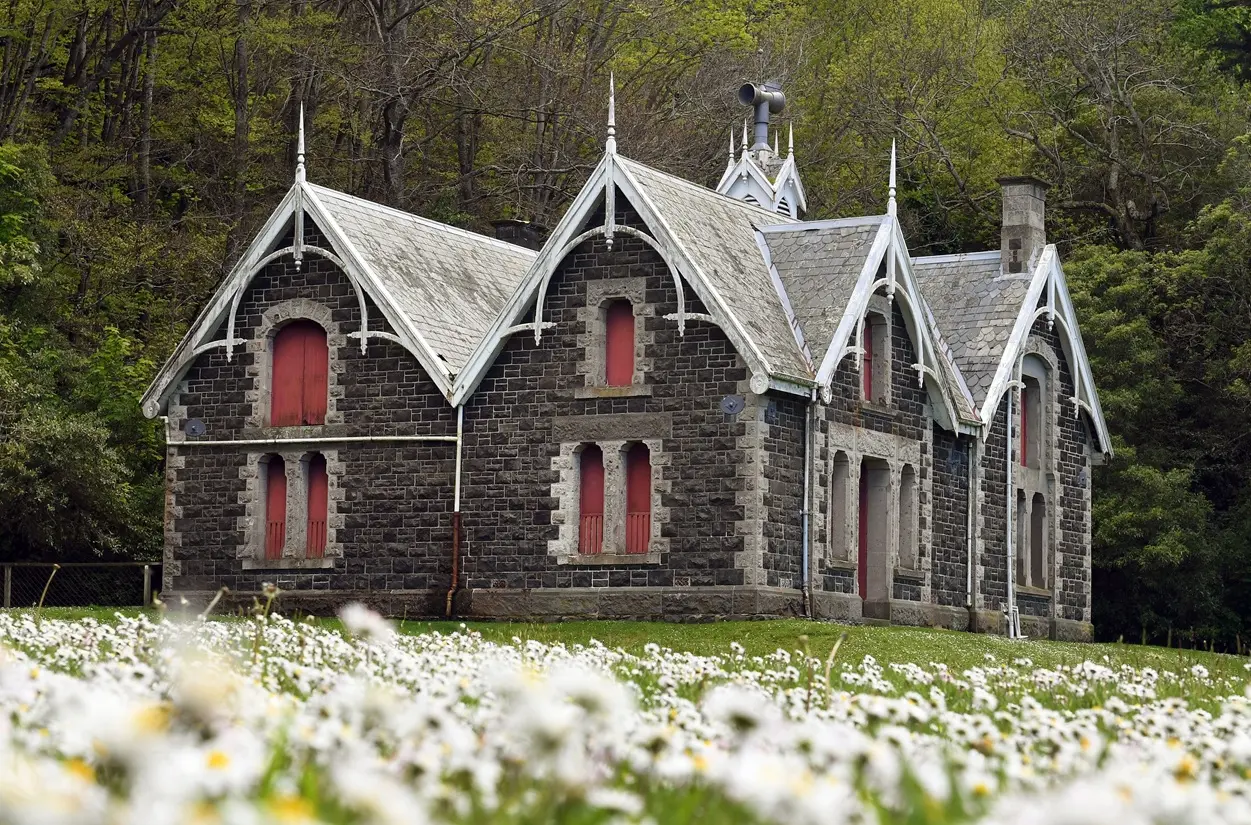
In 1890, his striking Neo-Gothic stable and coach house went up in flames.
"The buildings were partly destroyed and completely gutted; the stable, being of stone, withstanding the flames better than the other portions," the Evening Star reported.
Mr Neill rebuilt and the stone stables are the only surviving estate structures today.
The family enjoyed an opulent lifestyle, the Otago Witness reporting in 1889 that Mrs P. C. Neill gave a large garden party at Chingford, North-East Valley, to which about 500 guests were invited, including the officers of HMS Opal.
At a society wedding the following year, the Witness observed her wearing a "very handsome costume of green merveilleux trimmed with black velvet and shaded moonlight beads."
The family endured personal tragedy when their eldest son, Percival Clay Neill jnr, died from a virulent strain of influenza in July 1894, aged 24, only two days before his birthday.
Further sorrow hit the family when Gertrude Neill died in April 1903, aged 58.
Mr Neill continued to live at Chingford until his death.
Even in his later years he remained an active rider, often seen on the streets of Dunedin travelling on a "spirited horse" to and from his workplace.
Following his death, aged 94, in April 1936, the estate was bought by the city.
While part of the estate flourished as a public park, the grand house fell into neglect and was pulled down in 1968.
His company eventually became the Wilson Neill Corporation, which for many years was an economic powerhouse, but then dramatically collapsed in 2002, owing about $24 million.
While the company is no more, Mr Neill’s name lives on, perhaps most memorably in his great-grandson, the celebrated New Zealand actor Sam Neill.
It could possibly be said that Sam Neill’s wine business, Two Paddocks, traces its commercial lineage back to Percival Clay Neill’s 1860s wine and spirits mercantile operations.