
PHOTO
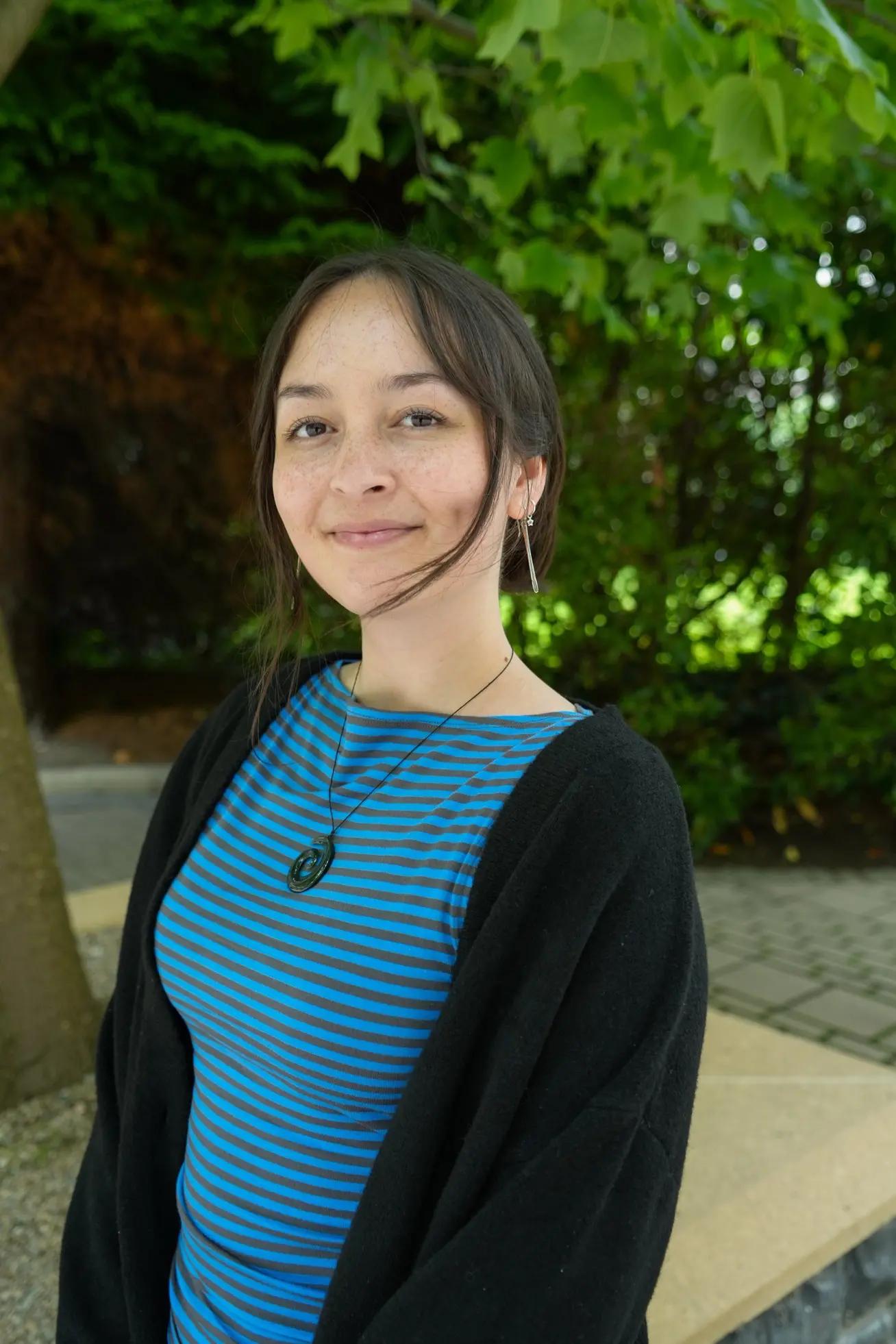
Growing up, I spent Waitangi Day volunteering at my local marae in Whakatū (Nelson).
Back then, I understood the day as a celebration — a recognition of the meeting of two cultures and the acceptance of Māori ways of life.
The marae would come alive with long rows of food stalls, traditional crafts, kapa haka performances and a strong sense of community.
It was a day I eagerly counted down to, one that made me feel connected and proud.
At university, I studied the Treaty and Te Tiriti o Waitangi.
For the first time, I learned there were two versions of the document and that the profound differences between them carried lasting consequences.
Before then, I had not known this at all.
Each stage of my life has since reshaped my relationship with Waitangi Day.
As a child, I was too naive to recognise the times when I was treated differently for being Māori.
At university, those experiences became clearer. In the workforce, they became impossible to ignore.
Over the past few years, I have watched decades of progress begin to unravel. I often think of my younger self, so hopeful and unaware. Back then, it felt inevitable that the relationship between Māori and Pākehā would continue to strengthen. I could not imagine why anyone would want anything else.
This year, I feel a familiar buzz as Waitangi Day approaches — but it is no longer excitement. It sits heavy in my stomach as anxiety. I do not feel like celebrating. I have spent much of my life advocating for my culture, sharing knowledge where I can, while also learning from others. Watching the current state of affairs, it is hard not to lose faith. It is harder still to celebrate something that feels constantly questioned, diminished or attacked.
Instead, this Waitangi Day is about acknowledgement. Acknowledging how far we still have to go. Once, Aotearoa led the world in indigenous relations. Now, we risk slipping into entitlement and short-term thinking, fuelled by cost-of-living fears, overconsumption and individualism.
The future I imagine is one where indigenous values are respected and woven into everyday life — where we honour the whenua (land) that sustains us, and each other.
This is not a matter of "us" and "them". We all call this land home. But this land and its people carry a deep history that deserves recognition. And while I feel worn down by the state of things as we head into 2026, I will not stop teaching my culture. I will not stop learning from others. I will keep advocating until the future my younger self believed in becomes reality.
—Ani Ngawhika (Kāi Tahu, Kāti Māmoe, Te Arawa) works in communications at the University of Otago and previously reported for the Otago Daily Times.