
PHOTO
"There’s going to come a time when the younger generation will say ‘you knew about this and you didn’t do anything’.
"And you could have, but you didn’t.
"Through inertia, inaction or lacking in moral courage, whatever, you didn’t do anything and look what you’ve left us."
This quote is from a local resident in the 2018 "Our City, Our Climate" report.
"The transition to Zero Carbon with adaptation will require active stewardship.
"While government is actively working on a policy framework, which is a long-term goal, we can also and must, invest in immediate action".
These were the words I wrote in that same report at the time.
Now, eight years later, we have a government that is actively subsidising fossil fuel exploration and has cut flood protection spending by 41% compared to the last government, even as climate change-charged extreme weather events become more frequent and severe, like this week.
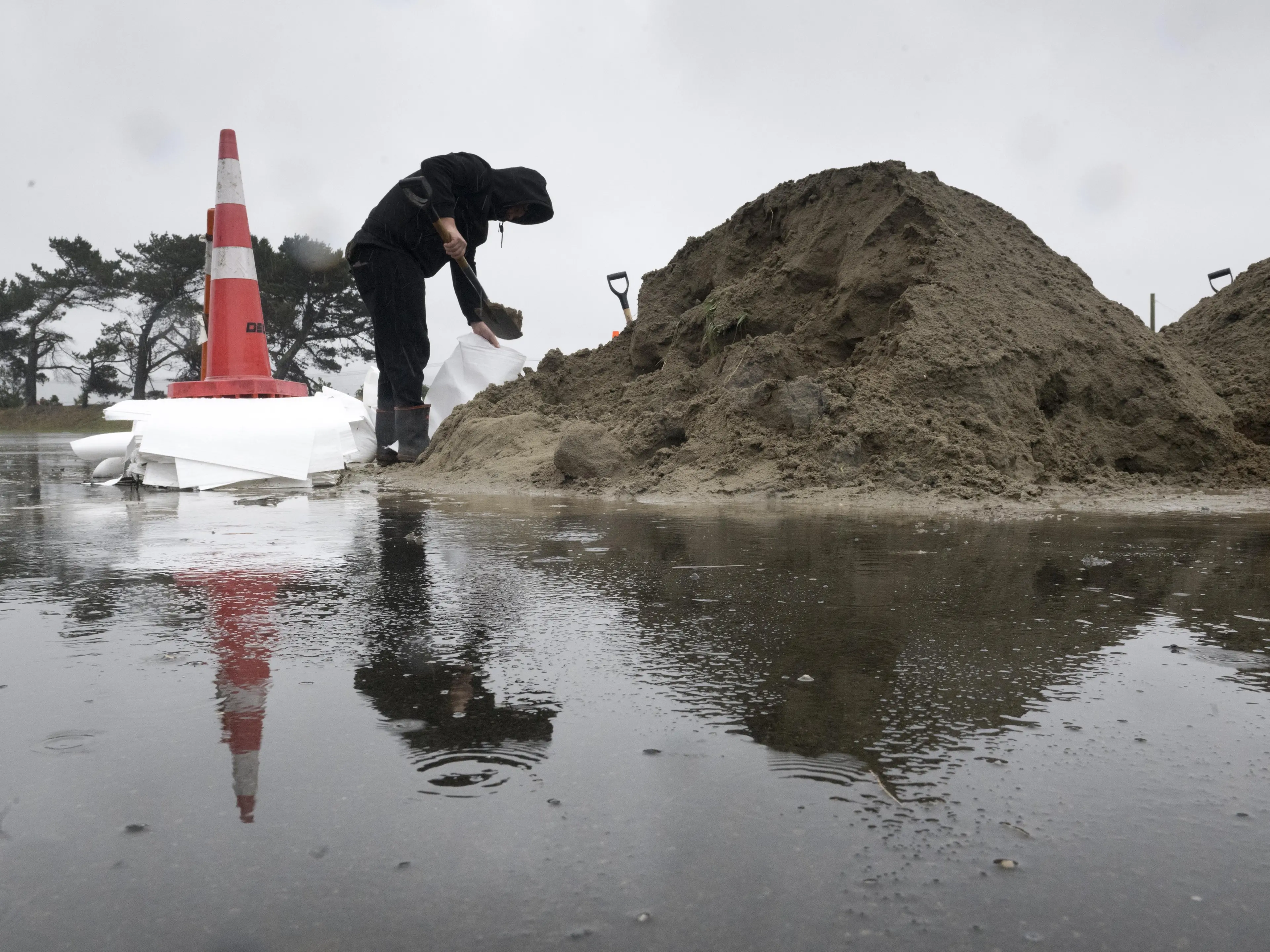
This year alone there have been at least 23 states of emergency announced and the residents of South Dunedin, Mosgiel and indeed people all around the city have suffered flooding and slips, damaged property and upended lives.
Yet progress has been made here in Ōtepoti Dunedin.
In 2020, the South Dunedin Future Programme formally kicked off to engage the community, iwi and experts in managing flood risk and adapting to our changing climate.
Through rich community participation the South Dunedin Future team, along with expert help, has been able to evaluate adaptation options for South Dunedin.
After years of careful work with the community, the South Dunedin Future team in mid-June presented three options, summarised as "protect, restore and reshape".
The scene was set for action. But then, at the 11th hour, the Otago Regional Council — the partner organisation (along with the Dunedin City Council) overseeing the South Dunedin Future Programme — called for more work and to add another option, meaning yet more delay and hundreds of thousands of additional costs we’ll all pay.
Moving from concept to action is the hardest part of any project.
Taking the first step forces us to confront the immediate, uncomfortable, reality — it is no longer abstract.
Some people are very concerned about flooding and property risk but they are also concerned that some of their homes may need to be moved to make way for public works.
And this appears to have influenced a majority of regional councillors to delay action with yet another evaluation.
I understand the frustration many will be feeling with this delay as well as the concern some people have that things may have to change.
Change is hard — but so is staying the same.
What we must to focus on however are the important things for a functioning, livable community.
It’s time for action.