
PHOTO
As residential construction costs continue to rise, conditions are becoming less favourable for both builders and households, an analytics company says.
Some in Dunedin’s construction sector have said the increases were unwelcome but not unexpected and due a range of factors.
The latest Cordell Construction Cost Index showed residential construction costs rose 1.1% in the three months to June, up from 1% in the March quarter.
Annual cost growth accelerated to 3.5%, from 3% in the previous quarter, marking the strongest annual increase since mid-2023.
TGC Homes director George Hercus said construction costs had risen ‘‘across the board’’ since the war started in the Middle East, particularly for plumbing supplies.
The latest data, while concerning, reflected the standard inflationary environment at present.
‘‘Along with all the other cost increases that we’ve experienced over the last five years, it makes the margins much more difficult for developments to stack up,’’ Mr Hercus said.
The developments already on the company’s books were predominantly sold and as the costs were fixed, they would not wear any increases.
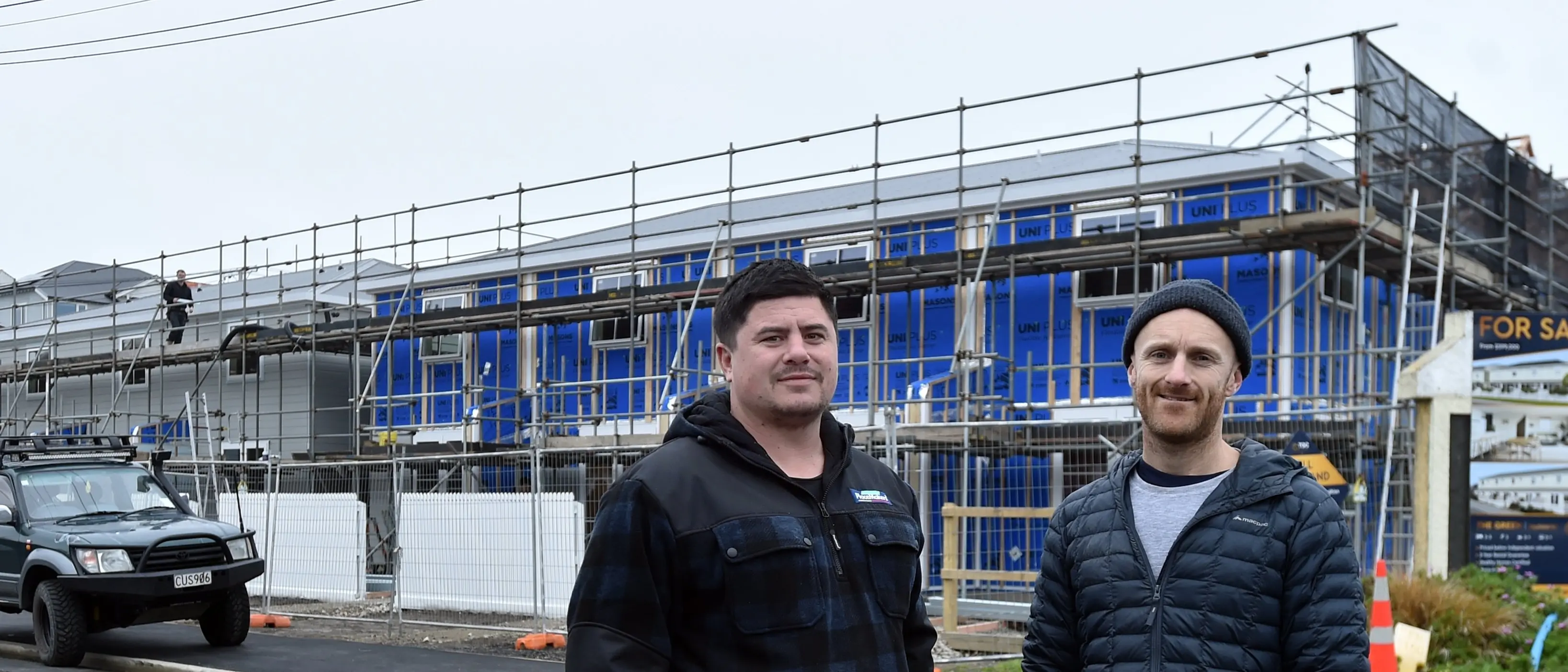
That included TGC Homes’ four-block townhouse development, in Bayfield Rd, where work was in full swing.
Thirteen of the 18 townhouses were already sold and all were on track to be finished by November.
For future developments, Mr Hercus said they would have to consider any cost increases and assess if the sale price accepted by the market stacked up.
‘‘And if it doesn’t, then we can’t buy the land.
‘‘It just means that we have to be far more selective with the land that we purchase at a better price to make up for those cost increases.’’
That meant looking for ‘‘more perfect sites’’, without any underlying issues such as soil contamination or asbestos, he said.
BuildSmart director Glen Williamson, of Dunedin, said while the company was always reviewing its pricing, the latest data had not at this stage given him cause to make changes.
There were significant freight cost differences in getting materials to site due to uncertainty around the Strait of Hormuz.
The unpredictability of this year’s general election also meant some projects were being put on hold in case changes to property rules made them no longer viable.
Bigger commercial builders were running out of larger projects so were stepping into residential work they would otherwise probably stay away from, Mr Williamson said.
‘‘As the hospital ramps up, that will probably soak up quite a lot of commercial resource and leave the residential space more to us residential builders.’’
Cotality NZ chief property economist Kelvin Davidson said while 3.5% annual cost growth was still below the long-term average of about 4%, it suggested the period of unusually subdued construction cost growth had begun to fade.
‘‘Construction costs aren’t surging again, but conditions are becoming less favourable for builders and households, who may have been hoping build costs would soften further.’’
The annual rate of growth had accelerated for three consecutive quarters.
Price increases were identified across structural steel, plumbing components, insulation and aluminium roofing accessories.
Several suppliers had indicated further increases could follow.
The construction sector was emerging from a prolonged downturn, with more projects beginning to move ahead after a significant increase in consents.
Construction costs were likely to experience further upward pressure as the pipeline of approved projects continued to grow, Mr Davidson said.
‘‘A busier construction sector is ultimately positive for housing supply, even if it brings some modest upward pressure on build costs.’’