

PHOTO
More than a century ago, aviation pioneer Richard Pearse was dreaming up the future from his humble Aranui home.
Now Pearse’s former home is one of dozens of forgotten stories being rediscovered through heritage walks revealing east Christchurch’s rich history.
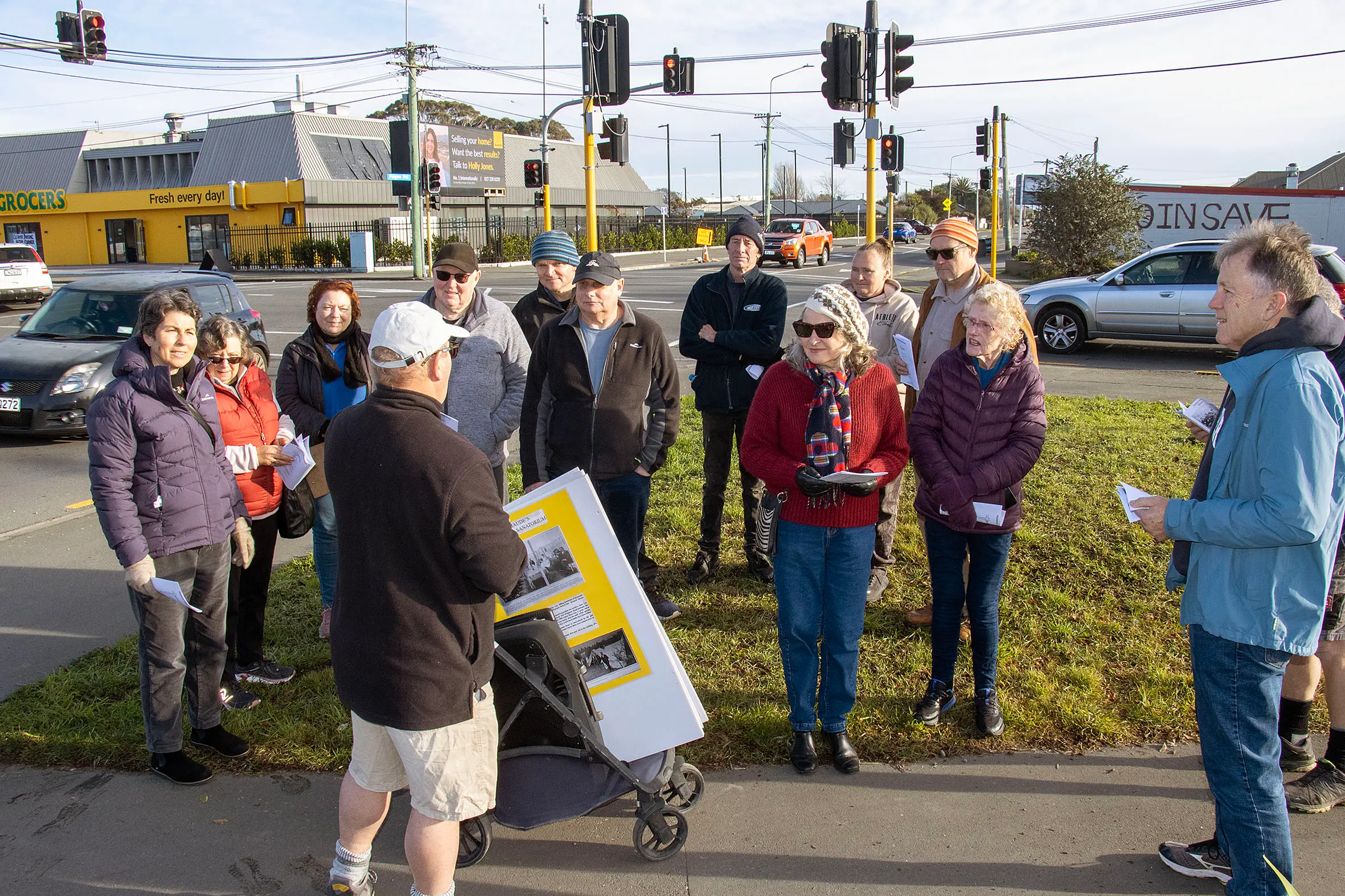
Aranui’s Breezes Rd and the stories of its former residents were the focus of historian Tim Baker’s third heritage walk.
“Every street has a story, doesn’t it?” Baker said.
The free tour attracted 13 history enthusiasts, keen to learn more about the area’s past.
“Most are local, but some people have travelled from outside the area, which surprised me,” he said.
A lifelong Aranui resident, real estate agent and committee member at the New Brighton and District Historical Museum, Baker has spent decades researching the area and talking to locals, gathering stories that might otherwise have been lost.
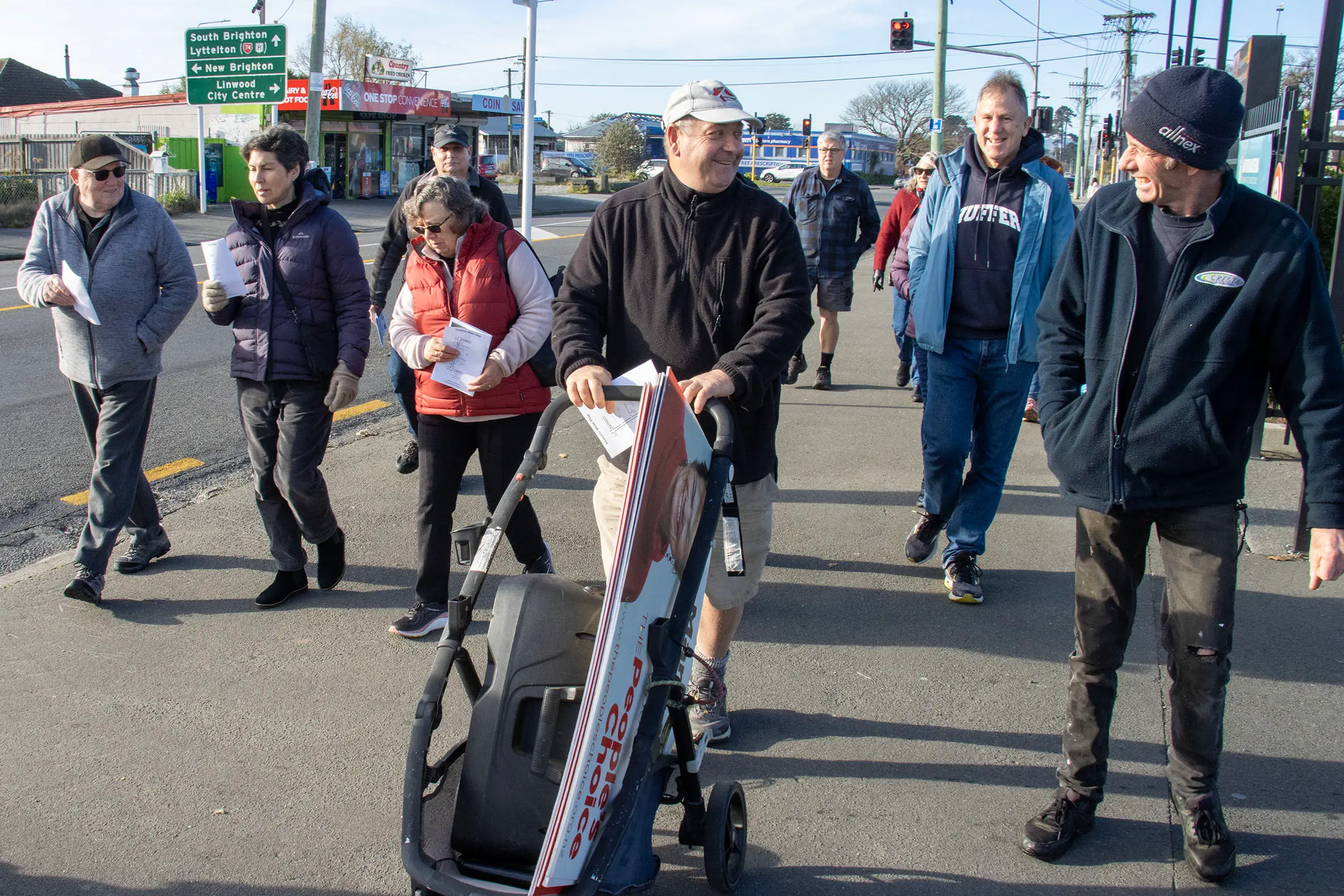
Participants receive a printed booklet containing historical information, while enlarged photographs help bring long-demolished buildings and forgotten residents back to life.
Baker said few people realised Breezes Rd had a connection to one of New Zealand’s most famous aviation pioneers.
“Very surprised. Most people knew who he was, so they were very surprised that he built a house there,” he said.
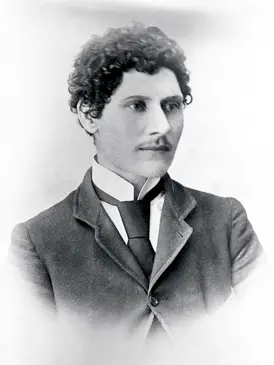
Pearse was widely credited with making a powered, heavier-than-air flight near Temuka in 1902, nine months before the Wright brothers’ famous first flight at Kitty Hawk, North Carolina.
However, the flight was uncontrolled and Pearse was unable to sustain it or land safely.
As a result, it is not generally recognised as the world’s first controlled, sustained flight.
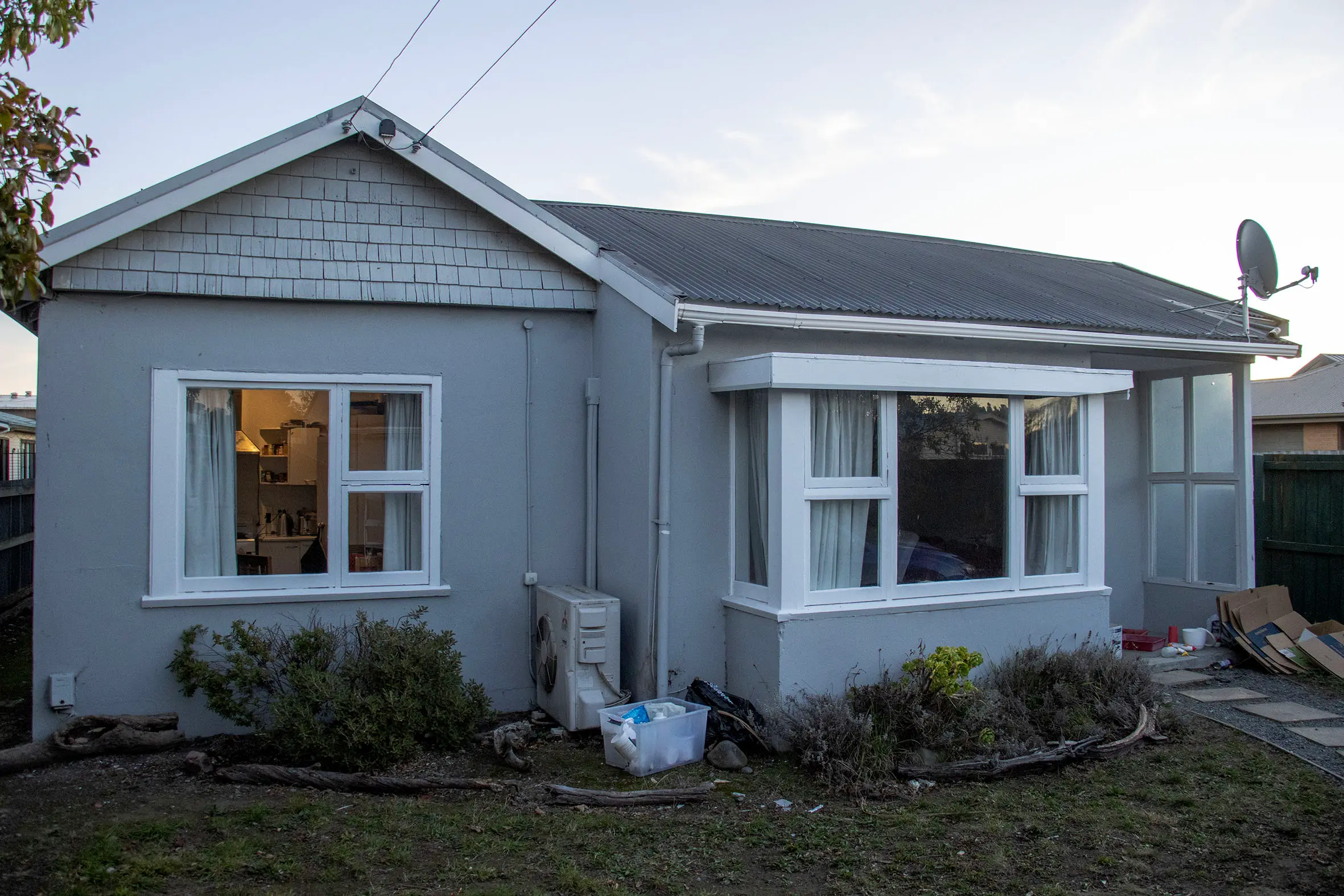
After moving to Christchurch in the 1920s, Pearse built a three-bedroom bungalow on Breezes Rd himself.
It was there he began designing what he called his Utility Plane, an aircraft featuring a tilting engine for vertical take-off and landing, folding wings, and the ability to operate from an ordinary back yard.
He later bought land in Wildberry St, Woolston, where he built two more homes, renting out the Breezes Rd property to help fund his inventions.
Unable to secure commercial backing for his visionary aircraft, Pearse died in 1953.
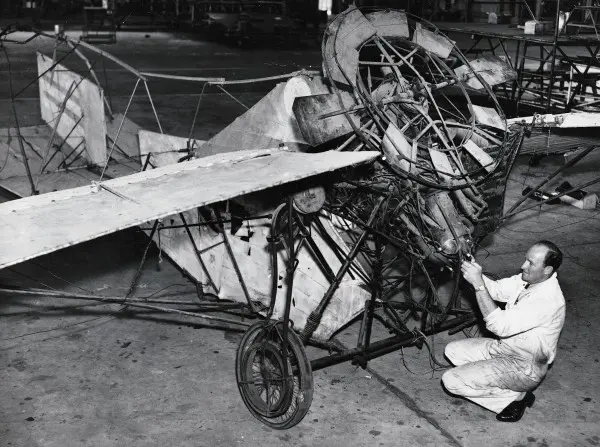
After his death, the historic aircraft and decades of research papers were recovered from his home and even a local dump.
The Utility Plane is preserved at the Museum of Transport and Technology in Auckland.
Baker said east Christchurch is rich in history, despite often being overlooked.
“There’s an enormous history for the area,” he said.
Pearse’s home is just one stop on the walk, which also takes in the former site of Nurse Maude’s Consumptive Camp.
In 1903, many people in Christchurch and around the world were suffering and dying from tuberculosis.
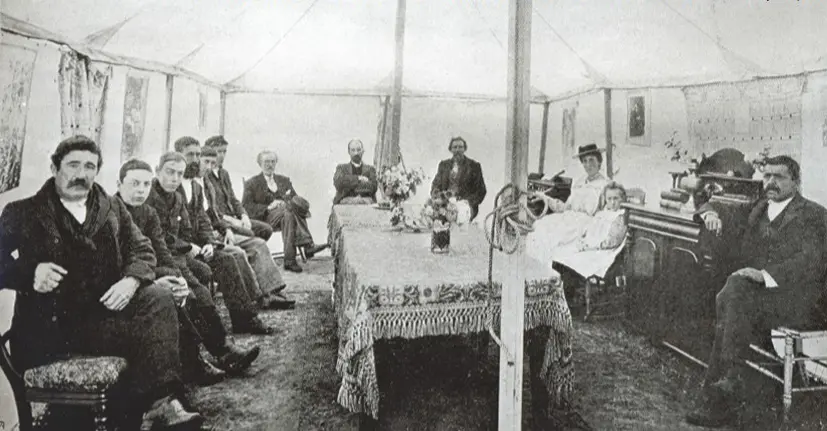
District Nurse Maude established a “poor man’s sanatorium” on land now partly occupied by Haeata Community Campus.
It treated patients who could not afford private care until permanent sanatoriums opened in Cashmere in 1907 and 1914.
For Baker, the walks are the latest chapter in a project that has consumed much of the past 25 years.
What began in 1999 as a six-month project to write a booklet about the area “quickly snowballed into seven-and-a-half years of research,” he said.
He has since published three books documenting the area’s past, uncovering the stories of Aranui and Wainoni’s pioneering families, historic landmarks and colourful characters.
“It’s massive. Every time you think you’ve found everything, something else turns up.”
Baker’s next free heritage walk on September 19 will explore the “Canadian block” around Vancouver Cres in Wainoni.
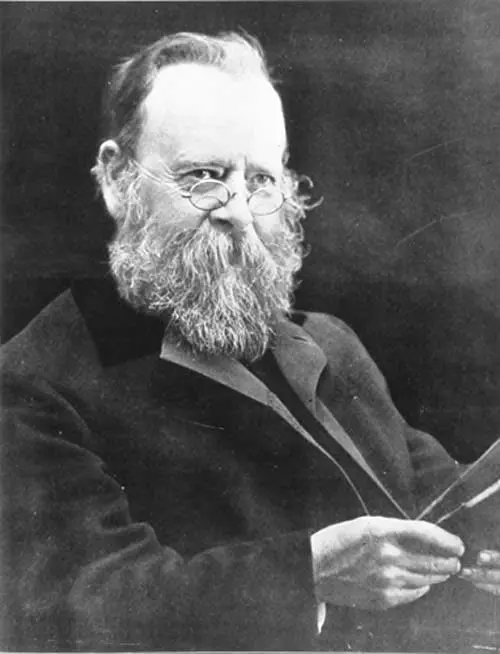
As part of the Christchurch Heritage Festival in October, he will lead a walk exploring the extraordinary legacy of Professor Alexander Bickerton, who mentored Ernest Rutherford at Canterbury College in the 1890s.
Widely hailed as the “father of nuclear physics”, Rutherford received the 1908 Nobel Prize in Chemistry for his investigation into the disintegration of the elements and the chemistry of radioactive substances.
Baker said Rutherford’s work transformed modern physics and helped pave the way for countless technologies used today.
Bickerton was one of early Christchurch’s great eccentrics and Canterbury College’s first professor of chemistry.
However, his unconventional thinking saw him dismissed in 1902 because of his unruly behaviour, unorthodox teaching methods and radical views on marriage.
His brilliance was matched only by his refusal to conform to conservative Victorian society.
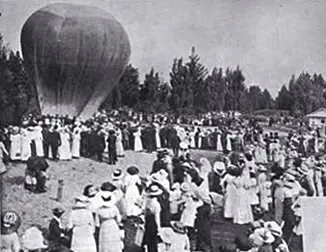
Bickerton owned a 22-acre estate in Wainoni, transforming it into Wainoni Park and Sanatorium in the early 1900s — an extraordinary experiment combining science, health, alternative lifestyles and entertainment.
It became a hub for university social life and developed a reputation as a “free love” commune.
The estate featured a large wooden castle used for mock battles as well as a romantic grotto with a circular room.
After leaving Canterbury College, Bickerton reinvented the property as the Wainoni Pleasure Gardens — one of New Zealand’s earliest and most unusual theme parks.
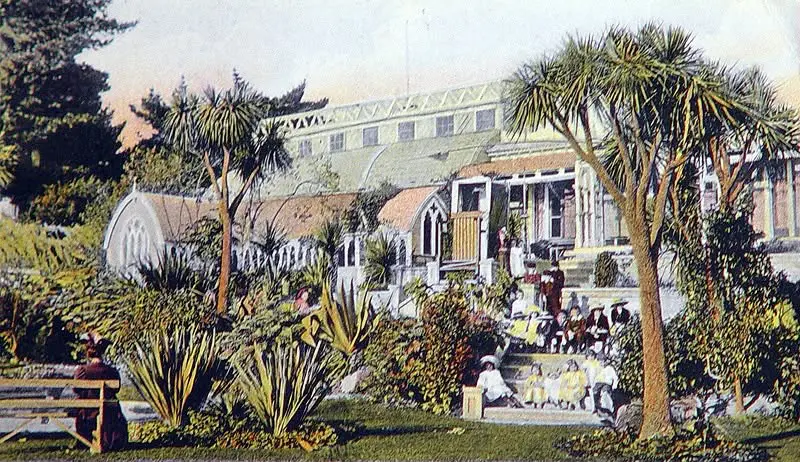
Thousands of visitors travelled by tram to see its private zoo, featuring lions, tigers and bears, along with a cinema, a working mechanical model of the universe built by Bickerton himself, hot-air balloon ascents, and fireworks displays.
Nothing remains of the former estate, which once stretched the length of what is now Bickerton St.
Baker is also planning an event in January to mark the 175th anniversary of European settlement on Christchurch’s east side.
He hopes the walks will inspire people to look more closely at the places they pass every day.
“There’s so much history. People just don’t realise it until they start looking.”
- For more information on the walking tours, visit timbaker.kiwi/aranui-and-wainoni-walking-tours/