
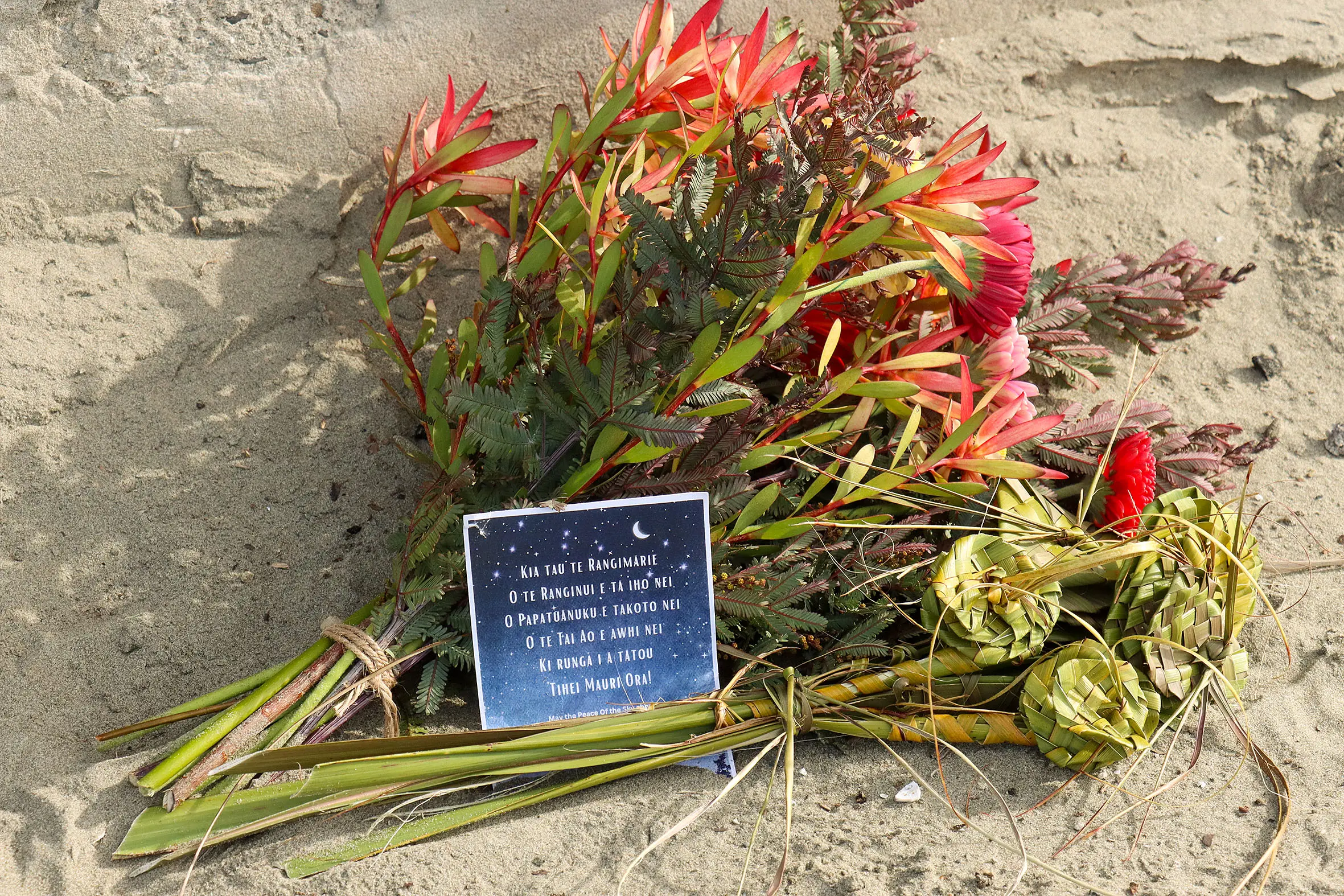

PHOTO
Police are refusing to say why they did not use legal powers to remove a vulnerable 54-year-old woman sleeping rough on a freezing Christchurch beach who later died.
The Star revealed the plight of the woman, known as Hayley, after she was found at New Brighton beach near the pier about 3.20pm on Saturday, July 25.
The passerby Justine Balcar called 111 about 5pm as weather conditions deteriorated and would drop to -4 deg C overnight. Police and ambulance attended, but left Hayley on the beach.
Detective Senior Sergeant Kelvin Holden said Hayley refused assistance.
“A plan was made to continue welfare checks throughout the night,” he said last week.
At 7.18am the following morning, another passerby found Hayley in a serious condition and called 111. Police and ambulance arrived and Hayley was treated at the scene and taken to hospital.
She died on August 2.
Some people have now questioned why police did not use powers under the Mental Health Act to remove her from the beach on July 25 for her own welfare.
The Star asked police this week why, but they did not answer questions.
“These questions will all form part of a coronial inquiry, so we’re unable to comment on them,” a police spokesperson said.
Health NZ’s mental health guidelines say a person has the right to refuse help, but police can intervene without their consent if there are reasonable grounds to believe the person has a mental disorder creating serious danger to themselves or others or severely impairing her ability to care for herself.
Hato Hone would also not answer questions, saying it was now before the coroner.

But Christchurch city councillor for the Coastal Ward, Celeste Donovan, said she was surprised police left Hayley on the beach overnight.
“There are legitimate questions that need to be asked about the response,” she said.
“No one should have to sleep rough on the beach overnight.”
City Missioner Corinne Haines told The Star this week they were aware of Hayley sleeping in the New Brighton area in the days leading up to July 25.
“Our Outreach team did offer her support, but she chose not to accept it,” she said.
“We engage with hundreds of people every week. We offer help to whatever level is accepted and keep working to increase the engagement,” she said.
Balcar told The Star last week she had called police for a welfare check but was told they could not attend and was given a Salvation Army number, which went to answerphone.
She then rang the City Mission night shelter, and was told Hayley would need to seek shelter voluntarily.
Balcar went home and got food and bedding for Hayley, before calling 111.
- If you knew Hayley, please email reporter Geoff Sloan — geoff.sloan@alliedmedia.co.nz