

PHOTO
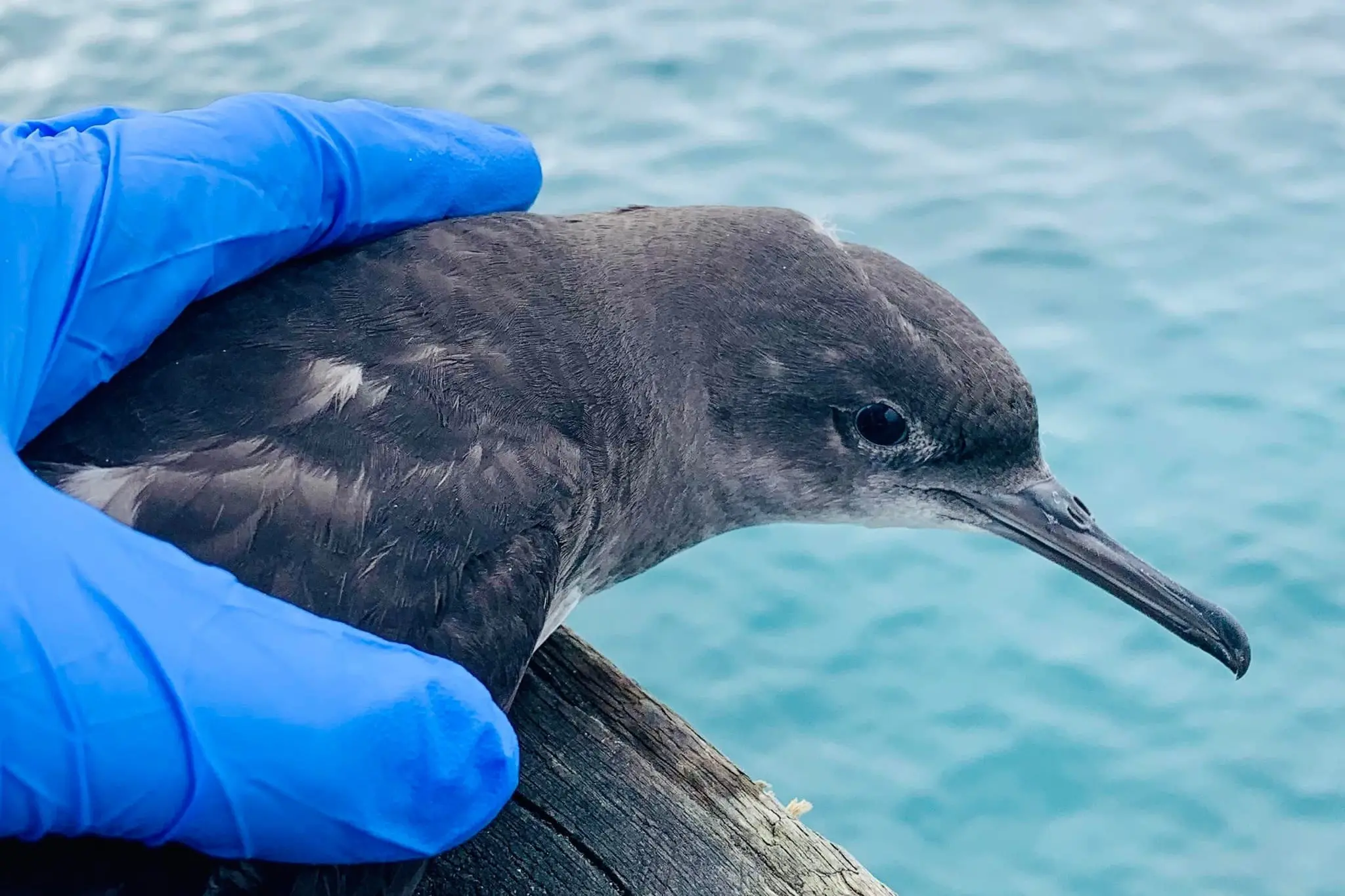
Kaikōura’s efforts to adhere to its international dark sky sanctuary status are making a difference, but the district's iconic seabirds are still crash landing.
A desire to protect Hutton’s shearwaters / tītī led to Kaikōura’s successful bid to become a dark sky sanctuary in September 2024, with the Kaikōura District Council, Waka Kotahi NZ Transport Agency, and local businesses upgrading street lighting and floodlights to reduce light pollution in the town.
But Kaikōura Wildlife Centre Trust volunteer manager Sabrina Luecht warned artificial lighting can still result in crash landings for the seabirds.
The tītī began returning home from their winter migration in Australia in late August, ready for the new breeding season.
Ms Luecht said there had already been some fatalities among several reported cases of crashing tītī, with new moon periods and poor weather being an especially dangerous time for the birds.
‘‘Being nocturnal on land, shearwaters fly to and from the sea to mountain colonies under the cover of darkness, and can succumb to township light disorientation.’’
Ms Luecht advised people to report any sightings of crash-landed and injured birds.
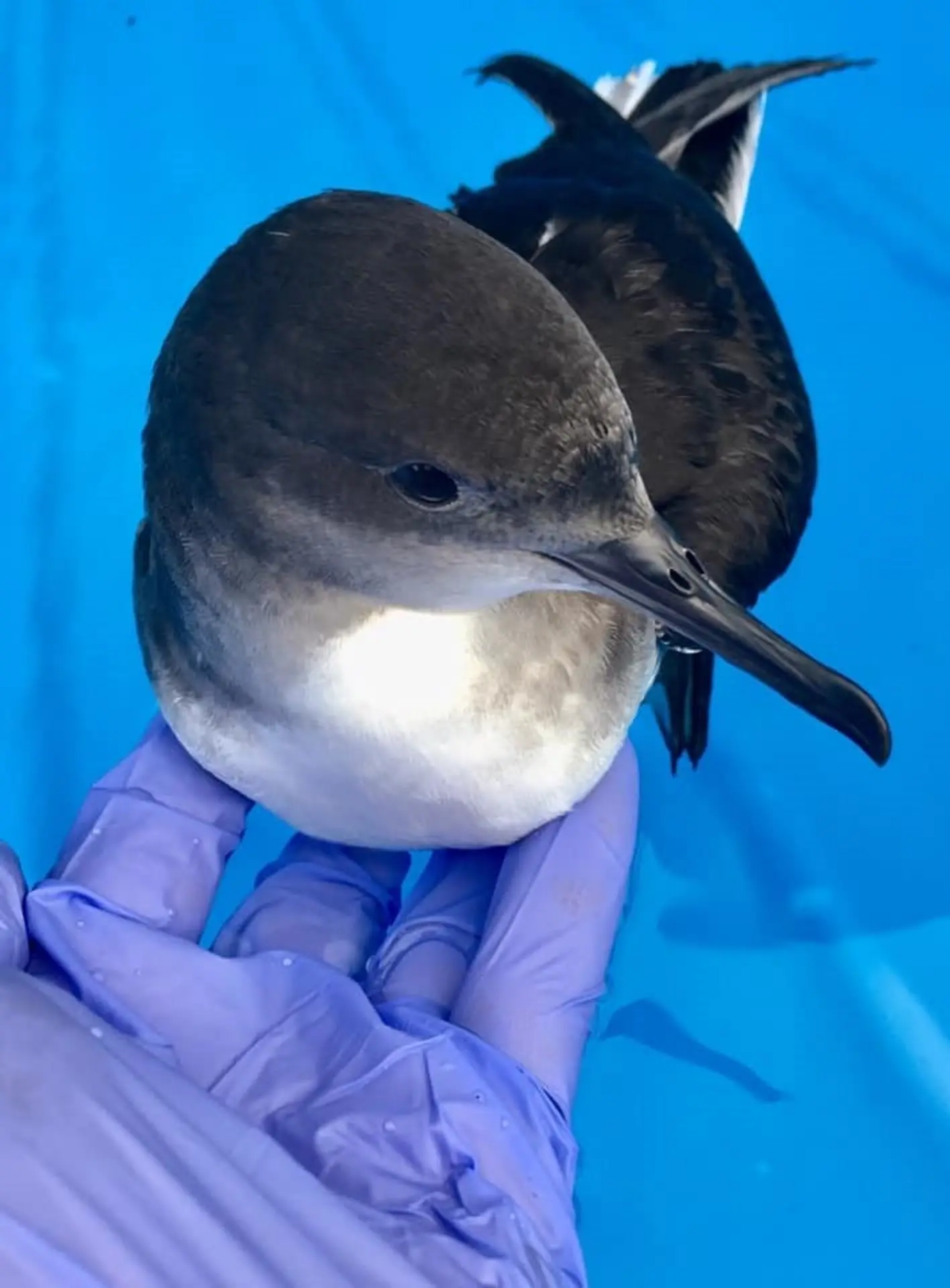
‘‘Once grounded, shearwaters are generally unable to take off without a thermal updraft and require urgent assistance,’’ she said.
‘‘Without rescue, shearwaters can succumb to injuries, vehicle strike, cat and dog predation, dehydration and starvation.’’
The Kaikōura District Council adopted new lighting rules in the Kaikōura District Plan in the months following recognition as an international dark sky sanctuary.
Council chief executive Will Doughty said upgrading the town’s lighting supported the community’s efforts to protect the night sky and support local wildlife, including seabirds.
‘‘Kaikōura is deeply proud of its natural heritage, and these upgrades show what’s possible.’’
The council passed a new animal bylaw last year to add further protections for the district’s seabirds, focusing on dog control and cat management.
NZTA had installed 2200-2700K capped LEDs, significantly reducing light spill, on Beach Road earlier this year.
Local businesses had also been stepping up to comply with the new lighting rules, with the support of the Kaikōura Dark Sky Trust.
The New Zealand Post depot, the Goodman Fielder New Zealand Ltd storage facility and Liquid Laundromat Kaikōura installed motion sensors and light shielding to reduce the impact of their floodlights.
Kaikōura Dark Sky Trust chairperson Lisa Bond said relatively small changes could ‘‘collectively make a significant difference in reducing light pollution across the town’’.
Injured birds can be taken to the Kaikōura Wildlife Centre, see: kaikourawildlifetrust.org/huttonsshearwater.
March and April is peak season for crash landing, as young fledglings attempt to take flight for the first time.
The Department of Conservation will open up the Hutton's Hub drop off point for fledglings from March to April.
■ LDR is local body journalism co-funded by RNZ and NZ On Air.