
PHOTO
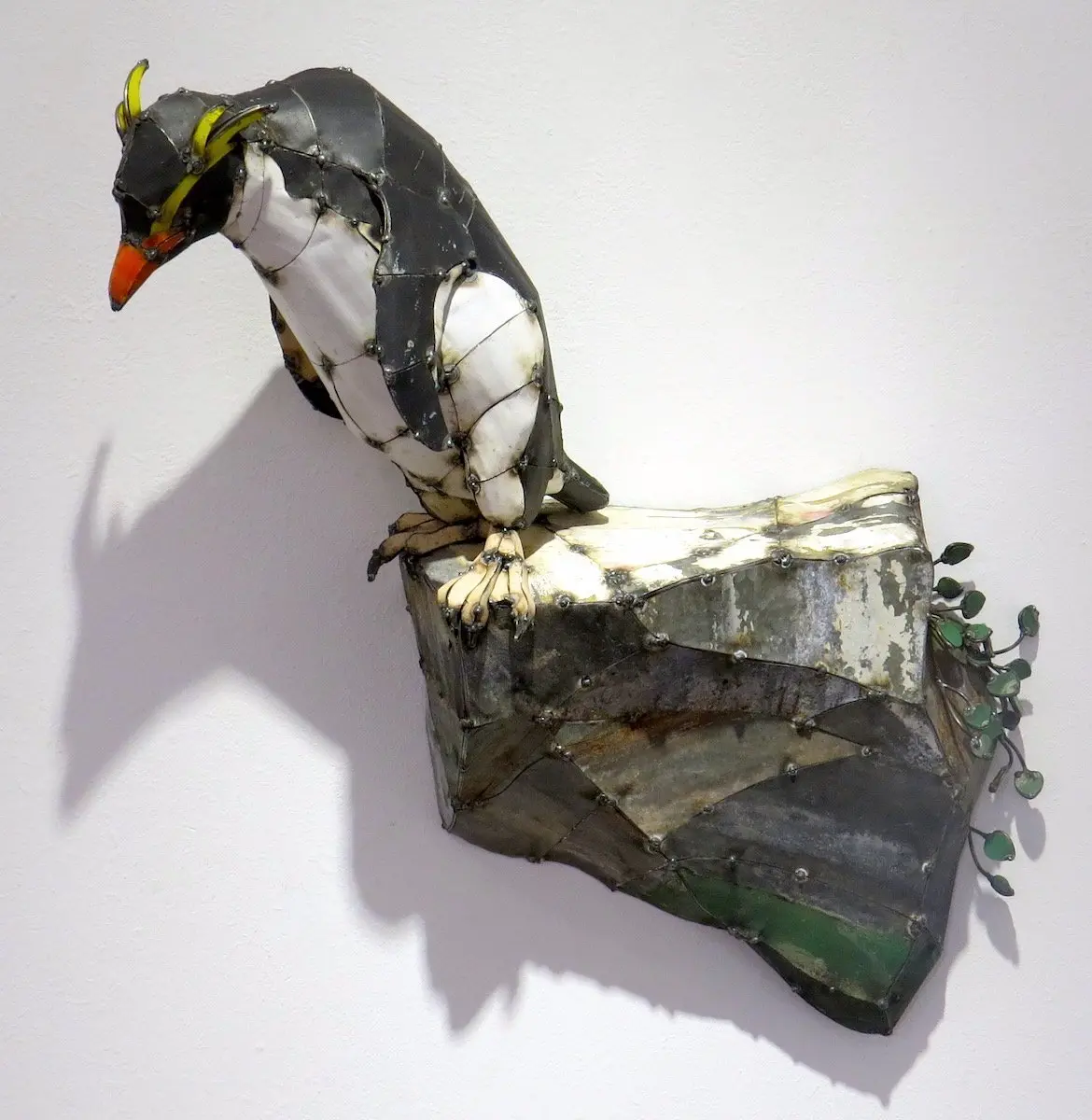
"Manu Taki"
(Milford Gallery)
The native wildlife of New Zealand is unusual compared with those of many nations: few reptiles, no land mammals and a preponderance of unique bird species.
As such, the bird has become a symbol of our land and our culture, from the ubiquitous icon of the kiwi through to the feathers of the finest korowai cloaks. In te ao Māori, the bird is a taonga with great symbolism, perhaps most notably in its roles as guardian, omen and transient being commuting between the real and the spiritual realms.
Milford Gallery is celebrating the sacred presence of the bird form in a major show, "Manu Taki", featuring bird-inspired works by some of the country’s most celebrated artists and also by newer, up-and-coming talents. Birds have long been major features in the work of Bill Hammond, Don Binney and Nigel Brown and all are well-represented in this display. Hammond’s half-human avians excellently complement Lisa Reihana’s disturbing photographic chimaerae.
Paul Dibble’s monumental huia-dominated bronzes and Johnny Turner’s equally dominating slender Plume become centrepieces for any display.
Nearby, Mike Crawford’s sensual glass forms imbue their subjects with something of the bird’s spiritual, transient nature, while Hannah Kidd’s excellently constructed penguin adds a needed touch of quiet wry humour to proceedings.
(Hutch)
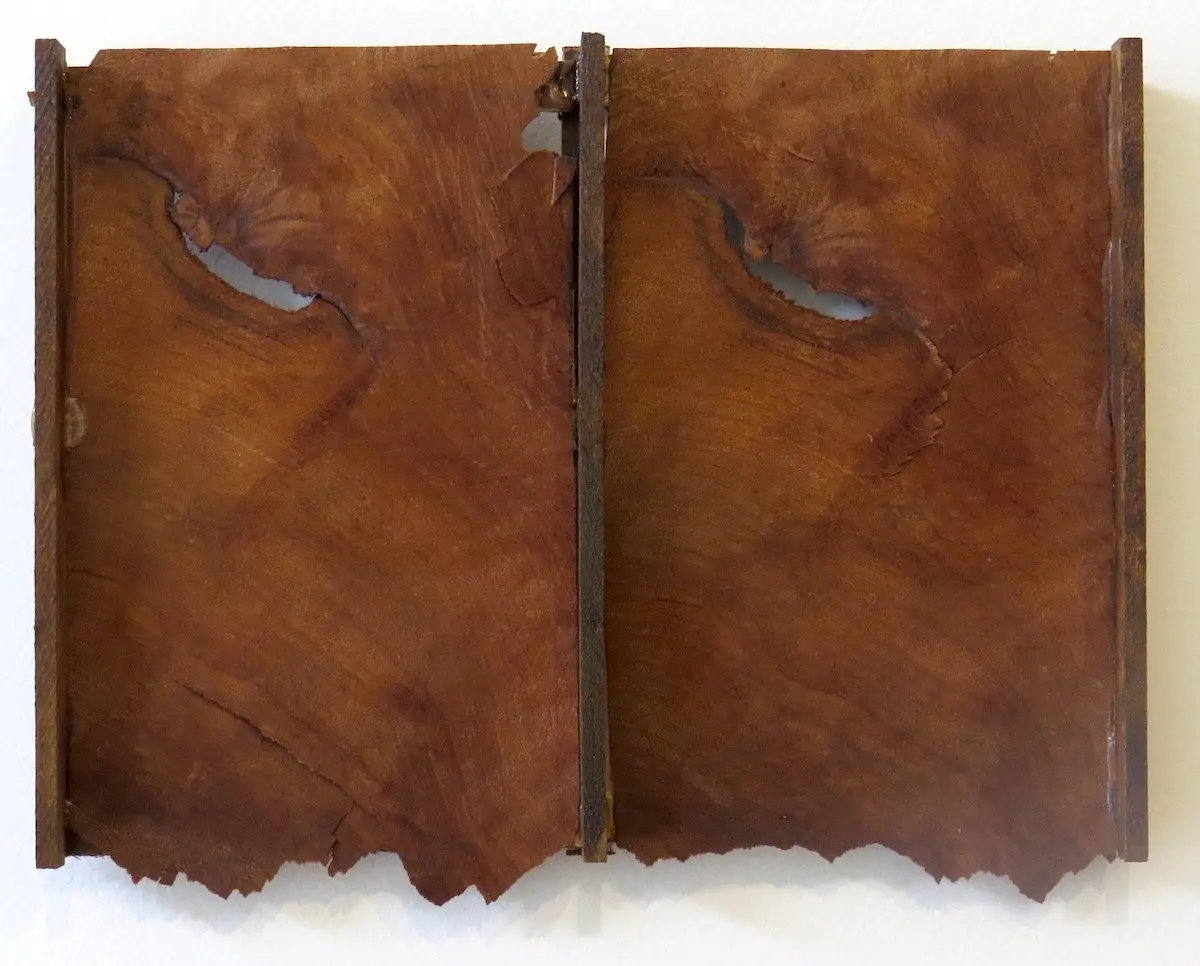
When a tree is injured, new protective wood grows over the site of the damage. A survival mechanism, it is a tough, often strongly-coloured, wood that serves as a repository of the tree’s genetic code. This wood, known as burl, is highly prized by woodworkers and artists for its decorative qualities and is widely used in areas such as the related fields of marquetry and parquetry.
In Ed Ritchie’s current exhibition at Hutch, the artist examines the ‘injury knots" created from burl, turning them into artworks by slicing wafer-thin veneers of the wood and attaching them to frameworks of balsa and other lightweight material. In several of the cases, the burl is further distressed by the artist, emphasising the damage that originally led to the wood’s creating.
This is most evident in Sand Afire and the Extinction Ribbons works, where parts of the wood have been deliberately charred.
The works become a dendrological hospital logbook of tree damage and tree regrowth.
The works, while attractive as objects in their own right, become narratives of the destructive and restorative powers of nature. Through these small pieces we catch a redemptive glimpse of the frameworks by which life continues against seemingly overwhelming odds.
(Moray Gallery)
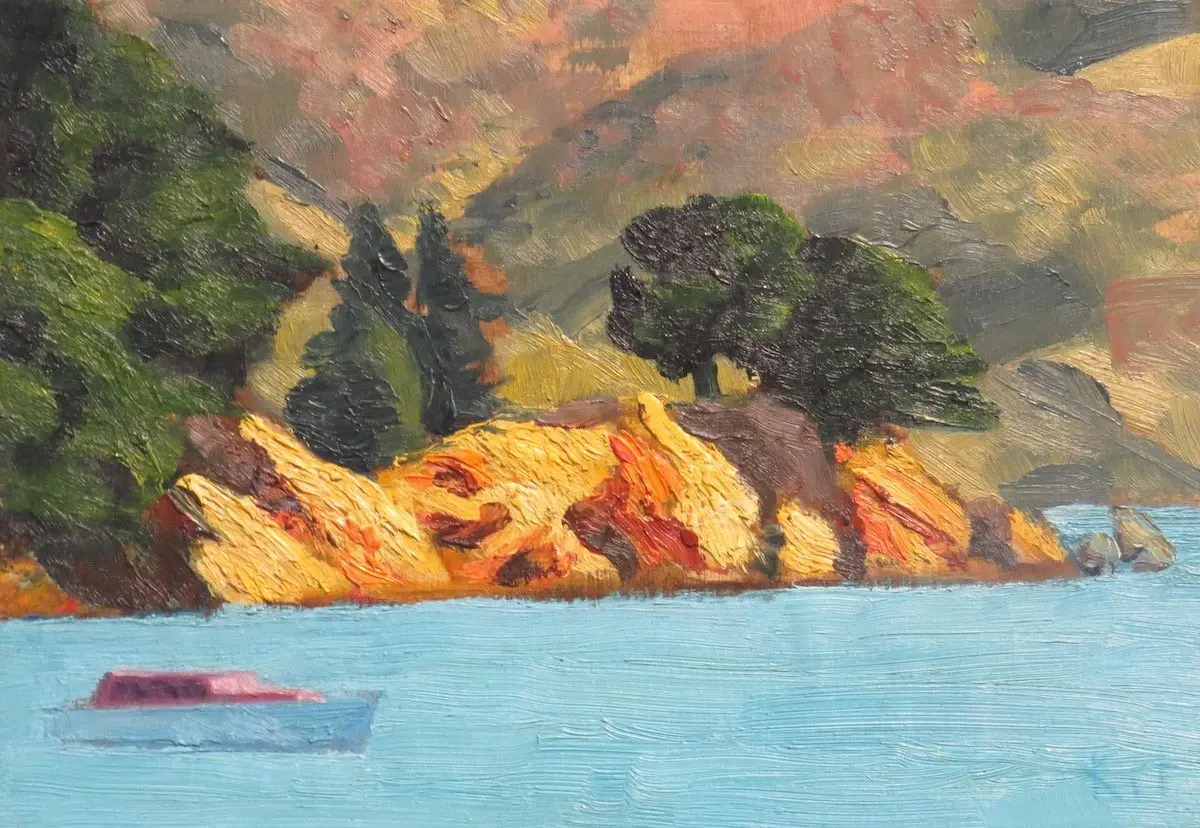
Otago Peninsula is a constant source of inspiration for local artists with its mix of rugged nature and rustic charm and these two sides of its quality are shown in the two halves of Moray Gallery’s latest exhibition.
Kit Macgregor’s works focus on the rolling countryside, showing the peninsula in its full bucolic glory in a series of charming, painterly oils. In several of the works, the natural, rural impression is enhanced by the use of heavily grained wood in sturdy, distressed frames. The atmosphere of the area is well-captured in these paintings, the fields flowing like green silk over the rough bones of the land. Lines are rendered as soft and hazy, the country sitting in the shimmering haze of a summer’s day.
Where Macgregor emphasises the natural in his works, Alison Bevers focuses on the quirky architecture, the rustic charm of the boat shed and crib. The soft, flowing lines of the land are replaced with straight horizontals and verticals, albeit often showing the signs of wear.
Bevers’ mixed media works are clever constructions, the features of individual buildings being created from overlaid veneers which are then painted, resulting in works which stand slightly above their canvases.
The lines of the buildings are softened by the gentle, smoky hues which permeate the works.