
PHOTO
Laura Hewson reviews The Past and Other Lies and The Fraud.

Maggie Joel
Allen & Unwin, $35, pbk
If you're a woman with a sister you'll most likely know all about the ups and downs that come with the relationship, especially throughout the teenage years.
Maggie Joel's story of three generations of sisters, The Past and Other Lies, leans heavily towards the down side.
We meet Jennifer on a trashy daytime talk show where she tells the world of her sister Charlotte's teenage suicide attempt years earlier and how she rescued her. (We later discover it was the least she could do after she helped drive her to it.) And the more you find out about Jennifer the less there is to like.
The suicide revelation causes ripples in the family and leads to other secrets surfacing, some stretching back generations.
Joel offers an uncomfortably realistic portrayal of how selfish and resentful teenagers can be, especially in the way the girls treat their grandmother, Bertha, who comes to live with them smelling like lavender and insisting on watching old people's TV shows.
Step back in time to Bertha's youth and her relationship with her sister Jemima, who is a bad egg through and through.
Stealing Bertha's men, making her miserable and manipulating everyone else in their lives - the only good thing about her is her dramatic departure from the world.
The final sister act is Bertha's daughters Caroline and Deirdre (mother of Jennifer and Charlotte).
This is the least-developed pairing but continues the theme of sisterly destruction and deceit.
The story does a great job of describing sibling discord and personal demons, but by the end of the book I just felt weighed down by how bad these women were to each other and couldn't help wondering - does Joel have sisters and are they still talking to her?
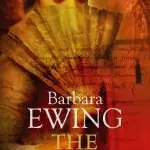
Barbara Ewing
Sphere, $38.99, pbk
The lies and deception continue in The Fraud.
It is set in mid-18th-century Bristol and the Wiltshire Marshalls are a family of gamblers and lazybones whose fortunes are on the decline.
Their various eccentricities make even bad times fun to read about, so it came as a real blow when most of the family had exited the story by page 22.
The surviving children go their separate ways.
Arrogant, spoilt Philip sails to Italy for his artistic education; thieving, thoughtful Tobias seeks fortune at sea, and Grace, the happy and bright youngest, is placed into the service of a milliner.
And here, longing for her brothers' return, she labours until she is rescued from her misery by the discovery of her own artistic talent.
And then one day Philip returns.
Only now he is Filipo di Vecellio, an up-and coming Italian painter making a name for himself in London.
And so Grace becomes Francesca, his accomplice in the ruse, waiting for the right moment to tell her brother of her own ambitions in the art world.
There is however, room for only one artist in the household and Grace must disguise her talent and ambition while she learns all she can from her brother and his circle of friends.
Grace is willing to do anything, and I mean anything, to fulfil her dream and she definitely has more patience than I had, biding her time and waiting in the shadow of her brother, whose rising star begins to fall as English painters gain in popularity.
Ewing describes a vivid picture of dirty old London at the time, with its open sewers and prostitutes and unwritten rules for everyone on how to behave.
She also includes a lot of detail about art history and painting, which may be a bit much for people with no interest in the field.
The Fraud has all the key features of a good historical novel - lies, deceit, murder, gambling, love, loss and revenge - making it an enjoyable read without being too lightweight.
- Laura Hewson is online deputy for the Otago Daily Times website.