
PHOTO
This content is supplied by Reputio.
Life does not always announce its most meaningful moments. They arrive quietly, often unplanned. A shared cup of tea in the morning. An evening walk that turns into a long conversation. A familiar smile across the table after a long day. These small instances shape personal stories more than grand events ever could.
Modern life encourages speed. Photos are taken quickly, shared instantly, then forgotten just as fast. Over time, memories become buried under newer ones. What stays present is what people choose to make visible and tangible.
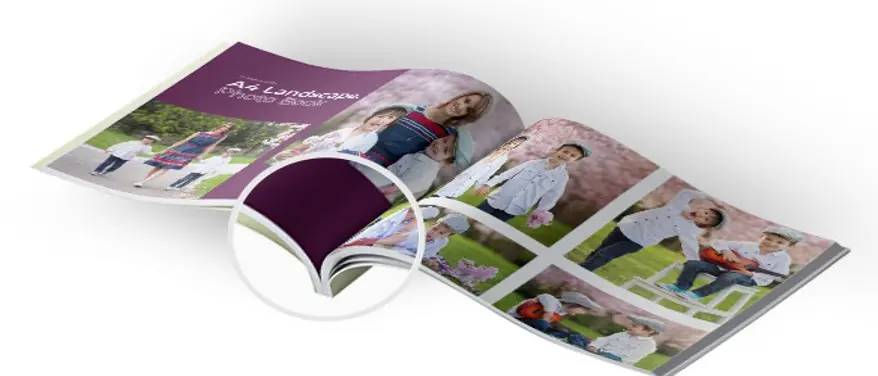
Why everyday memories deserve more attention
Big celebrations matter, but daily life holds equal value. The moments between milestones are where real connections grow. Preserving these memories creates a sense of continuity. It helps people notice patterns, growth, and shared history.
Physical keepsakes slow the pace. They invite reflection without distraction. A printed memory does not buzz, refresh, or disappear behind an app update. It stays accessible, waiting to be revisited on quiet afternoons or during family gatherings.
Turning images into stories that last
Photos capture details the mind slowly forgets. Expressions. Backgrounds. Light. When these images are arranged with intention, they form stories rather than collections.
Well-designed photo books allow people to shape memories into chapters. A year of small moments becomes a narrative. A weekend trip becomes a shared experience told through images and spacing. Each page turn creates a pause, encouraging the viewer to stay present with the memory rather than rushing through it.
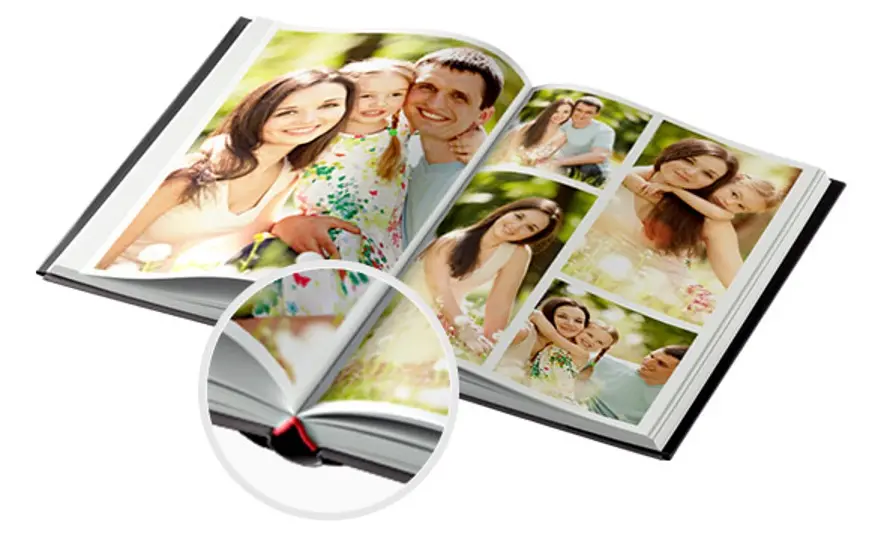
The process itself becomes meaningful. Choosing images, deciding layouts, and revisiting moments offers reflection. It becomes a personal ritual rather than a task.
The lifestyle shift toward thoughtful gifting
Gifting habits have changed. People are moving away from generic items toward choices that reflect care. Thoughtful gifts feel personal without being excessive. They fit naturally into daily life and carry emotional value beyond the moment they are received.
Personalised gifts work because they connect directly to the recipient’s story. A familiar photo, a shared memory, or a meaningful date transforms an ordinary item into something memorable. These gifts often become part of the home, quietly present rather than stored away.
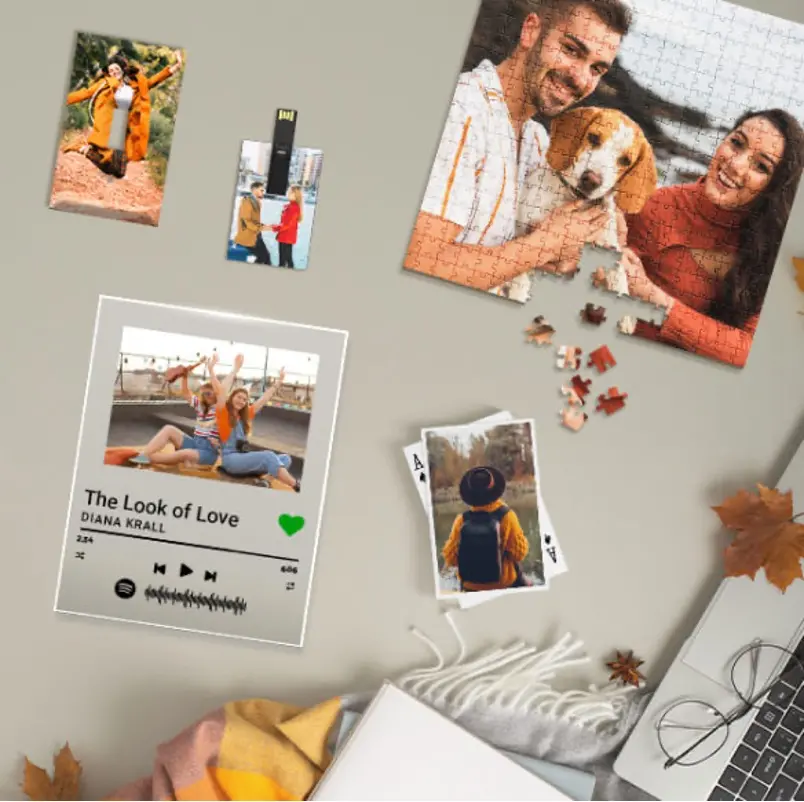
This approach aligns with a lifestyle that values intention over accumulation. The focus shifts from quantity to meaning.
How quality shapes emotional value
A memory deserves respect in its physical form. Print quality, materials, and finish influence how long a keepsake remains part of someone’s life. When craftsmanship is reliable, people feel confident preserving moments that cannot be recreated.
Trusted brands matter here. Platforms like CanvasChamp focus on combining accessible design tools with dependable production. This balance allows people to create meaningful pieces without technical barriers or uncertainty about results.
When quality supports emotion, memories feel secure rather than fragile.
Making memory keeping part of everyday life
Preserving memories does not need to feel overwhelming. Small habits create lasting collections. Monthly photo selections. Seasonal prints. Annual compilations. These routines turn memory keeping into a natural part of life.
Over time, these pieces form a visual timeline. They show change, continuity, and shared growth. They remind people that life does not need to be extraordinary to be worth remembering.
Homes filled with personal memories feel warmer. Walls and shelves reflect lived experiences rather than trends.
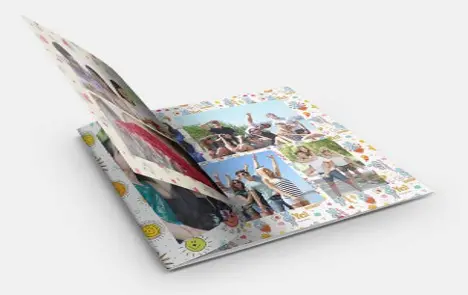
Why tangible memories bring comfort
There is comfort in familiarity. Holding a printed memory provides reassurance during uncertain moments. It grounds people in experiences that shaped them and relationships that matter.
Digital images can disappear with a broken phone or forgotten password. Physical keepsakes remain present, offering stability. They invite touch, attention, and shared viewing.
This return to tangible memory keeping reflects a desire for balance. People still value convenience, but they also seek depth and connection.
Sharing memories across generations
Printed memories often outlive their creators. They pass through hands, homes, and stories. Children grow up seeing moments from before they were born. Families connect across time through shared images and narratives.
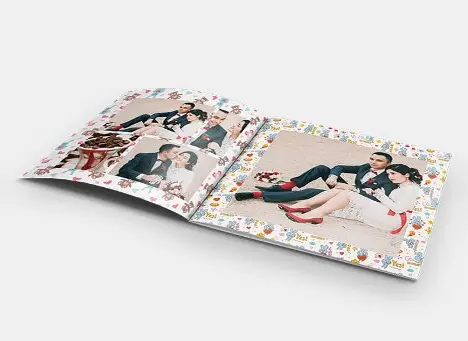
Photo books play a unique role here. They organise memories in a way that feels intentional and respectful. They tell stories without needing explanation, allowing future viewers to interpret them in their own way.
These collections become part of family identity rather than personal storage.
Gifting memories instead of objects
As gifting becomes more intentional, people look for options that hold emotional weight. Personalised gifts provide this without excess. They fit into daily routines while carrying personal meaning.
A carefully chosen memory feels timeless. It does not rely on trends or seasons. It stays relevant because it reflects a real connection rather than a passing interest.
This shift shows a broader lifestyle change toward meaning, simplicity, and authenticity.
Choosing what stays visible
Not every moment needs to be preserved, but the ones that are chosen deserve care. Selecting memories encourages mindfulness. It helps people recognise what truly matters to them.
Visible memories influence mood, mindset, and connection. They remind people of shared experiences during busy days and quiet evenings alike.
In a world filled with constant updates, choosing to hold on to meaningful moments becomes an act of intention. Printed memories slow life down just enough to appreciate it as it unfolds.