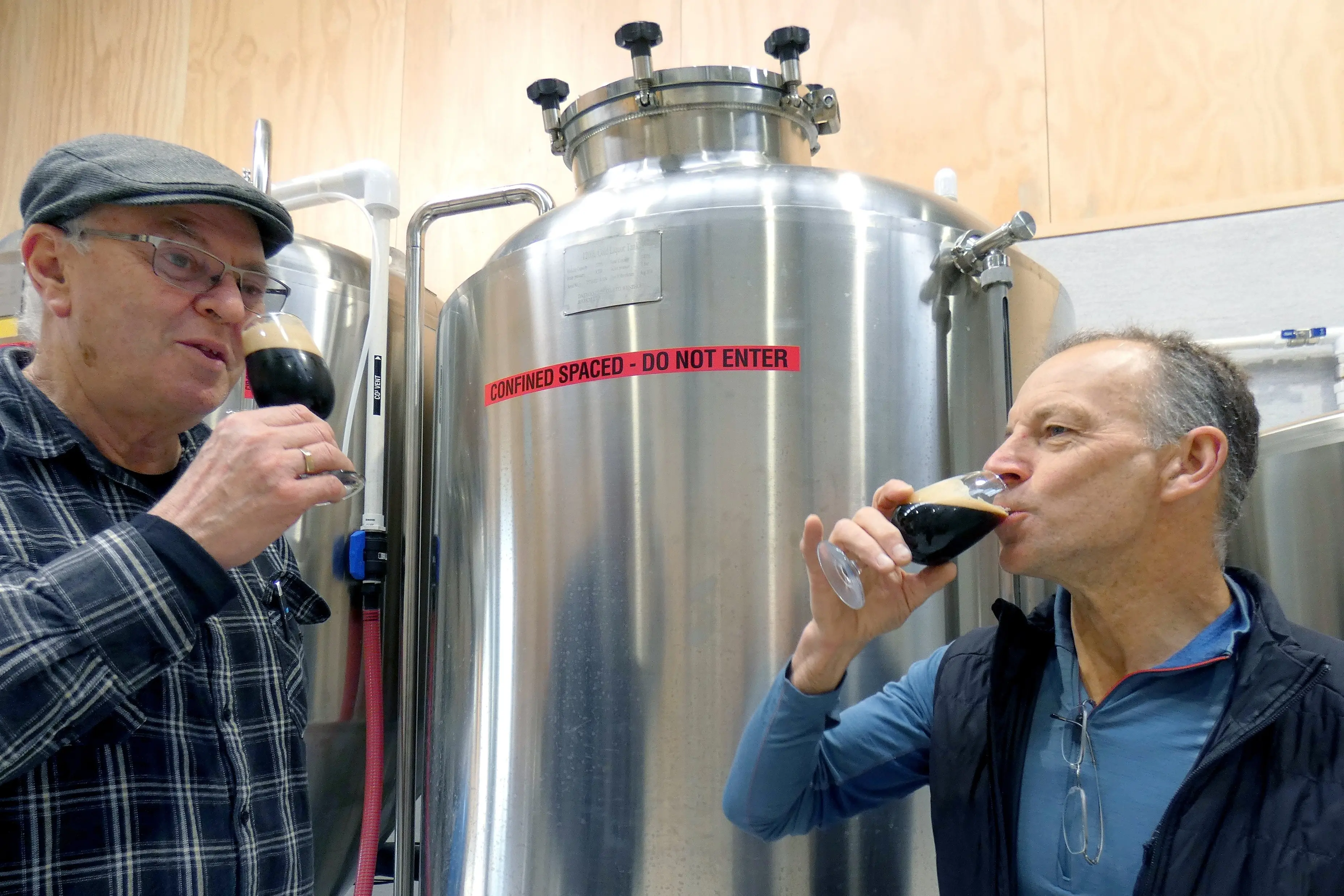
The fate of Otago Polytechnic’s brew school has finally been sealed: the equipment is being sold. Courses at the specially built brewery in Cromwell ended at the end of 2024 because of low enrolments. It was then leased to a Dunedin brewer for several months until the end of last year. The year-long brewing certificate course began in 2019 with five students, rising to 18 before falling to only one in 2024. The beer the students made was sold in kegs to bars in the region and as far away as Dunedin and, when canning started in 2022, it was also sold to the public from the brewery. Its brews won 10 medals between 2022 and 2024 at annual Brewers Guild awards and in 2024 the dark German Klassenbester Dunkelweizen was the top wheat beer in the New World beer awards. Nearly 80 pieces of equipment from the 250-litre brewery have been put on Trade Me, which the polytechnic hopes will interest home brewers or a small start-up operation. It says the brewery space will eventually be used for other purposes. Cheaper beer? Is cheaper beer on the horizon? Maybe, if breweries can make money out of their waste instead of paying to get rid of it. Students at Canterbury University are working on turning brewery waste into a valuable material called nanocellulose (which is in most plant matter). The waste grain is hard to compost so goes largely into landfill, although some is used by farmers for stock feed. It is, however, a source of nanocellulose which, after conversion by enzymes, has a number of uses: It is light, eight times stronger by weight than steel and five times stiffer than Kevlar (used in the likes of combat helmets, bulletproof vests and bicycle tyres). It provides stiffness to plastic and packaging. Its fibre adds viscosity in paint. It will conduct electricity, and its properties are also used in medicines and cosmetics. And, after all that, it is biodegradable. About 200kg of spent grain (mainly barley) is left over from the production of 1000 litres of beer. That is more than 230,000 tonnes a year by the nation’s brewing industry. When dried, the waste is reduced to about 50kg per 1000 litres (or 58.000 tonnes) – of which more than a third (23,000 tonnes) is nanocellulose. The students are using spent grain from a local brewery, and their research is expected to be completed by the end of the year. (A factory in the Waikato, which produces nutrients for plants from seaweed, last year started isolating nanocellulose from the seaweed.) Did you know? Naseby once had its own brewery. Yesterday was the anniversary of the Mt Ida Brewery opening in the settlement in 1870. Its ale was described as “of a bright sparkling tint, full-bodied and well-flavoured”. The brewery advertised it for the equivalent of $3 a litre today. There is no mention of brewing in the town after 1878. Gold was discovered in 1863 in a stream which ran through the town which once had 14 hotels for the 4000 miners who at one time prospected there.