
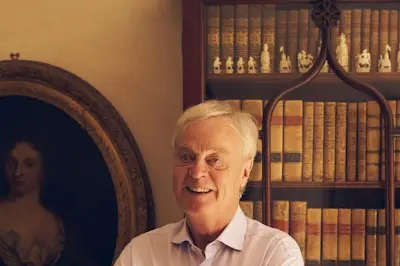
PHOTO
The Migrants: A Memoir with Manuscripts
Christopher de Hamel
Penguin
Reviewed by Jim Sullivan
The Migrants alternates between entertaining recollections of growing up as an English-born migrant in 1960s New Zealand and highly informative analysis of medieval manuscripts held in the country’s libraries.
Not one sentence on either topic is boring.
Indeed, it is a genuine “once I took it up, I couldn’t put it down” experience.
Christoper de Hamel, internationally renowned as an expert on early manuscripts, has already written two books on his specialist subject, both garnering enthusiastically positive reviews from high-flyers of the literary world.
In The Migrants, de Hamel reaches equally memorable standards as an autobiographer.
He describes the challenges of adjusting to the language, social norms and physical environment of mid-20th Century New Zealand.
Dunedin readers of a certain age will nod in agreement as they peruse the chapters on school and university life in the city.
Secondary schooling at King’s High School, the nursery of dozens of sporting heroes, turned out to be not unpleasant for the bookish, rugby-avoiding de Hamel.
That he kept a diary is a bonus and allows him to portray school life in unmatched detail.
De Hamel’s manuscript adventures at the Dunedin Public Library reveal intriguing details of his contacts with Sir Alfred Reed and support from outstanding librarians like Mary Ronnie and Ada Fache.
The university years provide telling revelations of how history was taught and describe life at Knox College in the girl and alcohol-free era.
It was the time of the famous Newbold’s book shop and de Hamel writes of discoveries made there as well as exploring early manuscripts held at the university.
It is all a refreshing contrast to the student pub, cold flat, capping week adventures found in other memoirs.
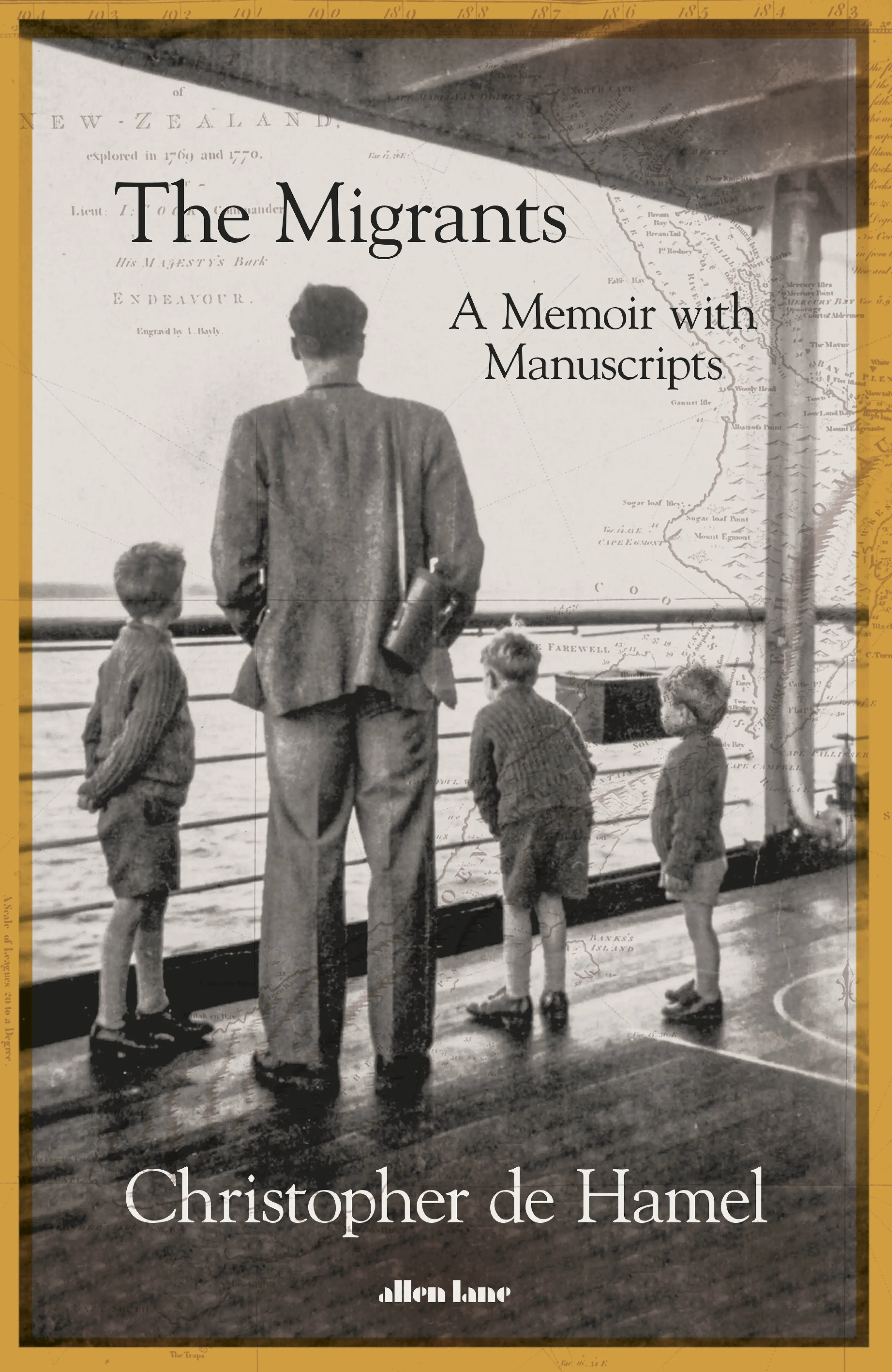
Equally engaging are the portraits of his parents, Francis and Joan; he the Medical Officer of Health and she an Oxford MA.
Their reluctance to see their sons turning into locals prompted a list of words the boys should not use: a long list of common Kiwi English.
It shaped the young de Hamel to the extent that he never doubted his future would lie elsewhere ‒ Cambridge and London, in fact.
De Hamel made his professional reputation in those places and more autobiography covering those years would be welcome.
Interleaved with the life story chapters are rather more challenging sections on manuscript collectors and the manuscripts themselves.
We learn more of Sir George Grey through his collecting than earlier books offer, similarly with Sir Alfred, Willi Fels, Alexander Turnbull and others.
The lengthy forensic examinations of selected manuscripts held in New Zealand are detective stories, crammed with the minutiae and careful attention to previously ignored clues about provenance which are bread and butter to de Hamel’s working hours.
Great care must be taken to be accurate, hence it was surprising to find Lyttelton as “Littleton” and be told that King’s High School started in 1939 — it opened in 1936.
Of course, no book is ever free of minor errors, and The Migrants is so well-written and pleasingly laid out that, for this reviewer, it is possibly the most enjoyable literary task I’ve had in a long time.
I read the almost-300 pages in a day!
Jim Sullivan is a Patearoa writer