
PHOTO
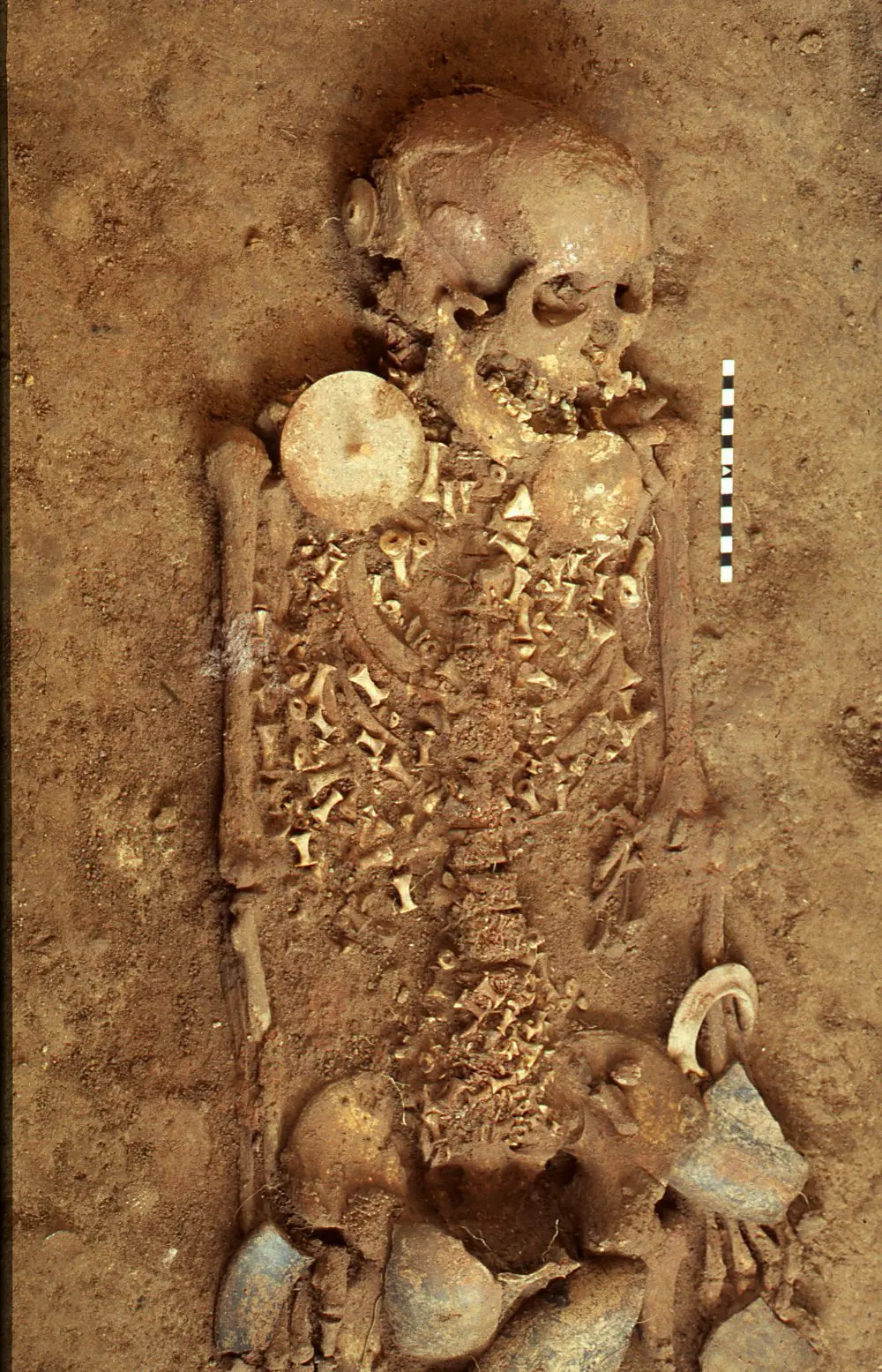
Last week was my 100th Mix article, so this time I thought I would celebrate my century with one of my own discoveries.
Digging can be incredibly exciting but also equally boring. It all depends on what you find. I had to ponder for some time before choosing this week’s topic because I have been so fortunate.
Finally I settled on burial 15 at the Thai site of Khok Phanom Di, which translates as “The Good Mound”. I first visited it in 1982, sitting like a stranded whale on the flood plain of the Bang Pakong River, about an hour’s drive east of Bangkok. Until a bulldozer drove a road to the top, it was thought to be a natural hill, but the machine exposed deep layers of prehistoric remains.
I promised myself that one day, I would return and explore this place. On December 27, 1984, I was back with a team of Thai colleagues, a dozen Otago students and a lot of local village help. Down we went, in an area of 10x10m under a sturdy roof.
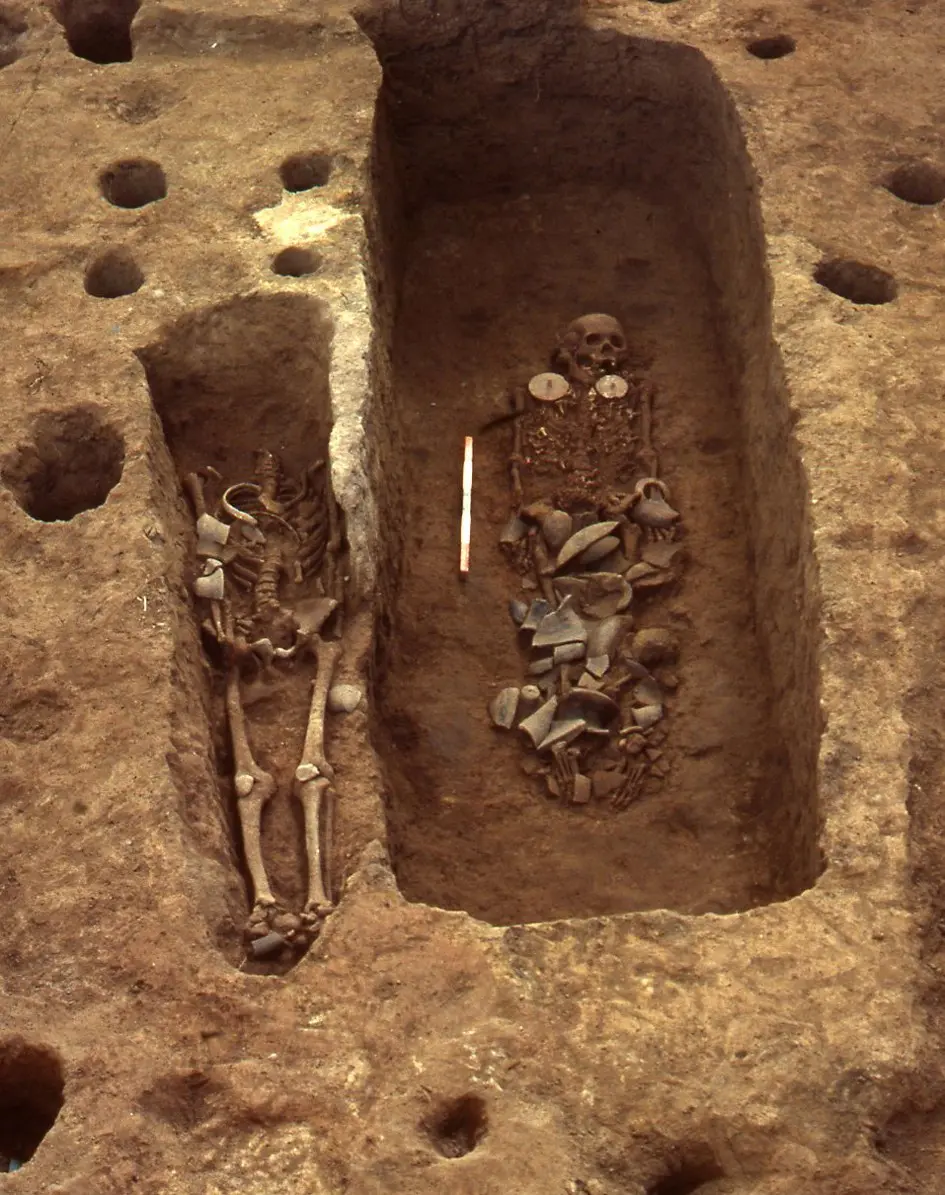
We finally reached the earliest layer seven months later. It turned out to be a village occupied between 2300-1700 BC, then located on a broad estuary where rice farmers, arriving ultimately from China, chose to settle and exploit the rich marine resources. The layers accumulated so rapidly that over time, the dead were interred directly over their ancestors for about 14 generations, in tight family groups.
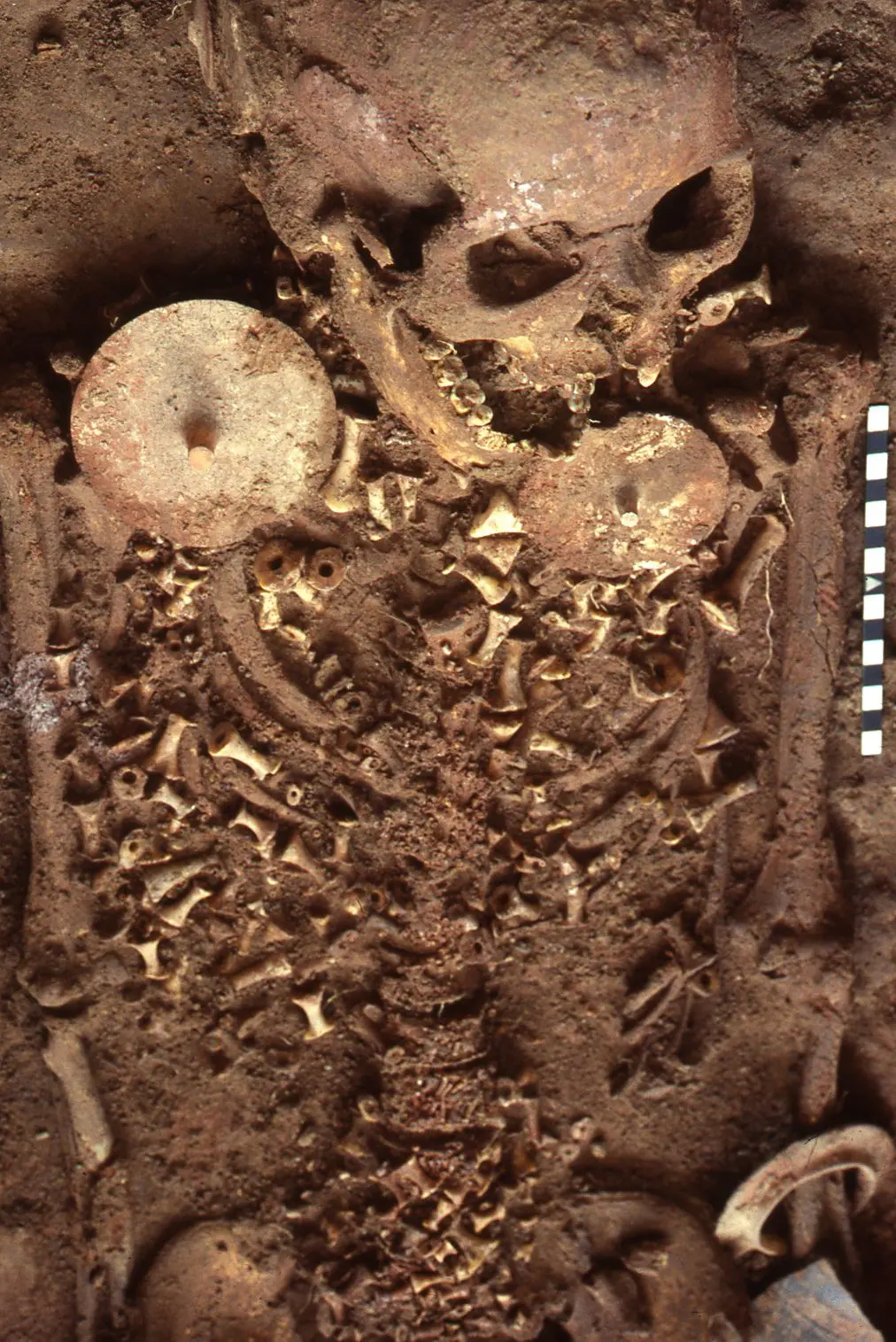
One day, when down about 2m, I began to identify a straight line with white ash on one side and marbled soil on the other. This soon became the rectangular form of grave. We painstakingly removed the marbled grave fill to reveal first a skull blood red from its covering of red ochre, then the complete red skeleton of a woman of unparalleled wealth. She wore at least two garments literally encrusted with 121,000 shell beads, a number that I think is a world record from the prehistoric past. She must have literally radiated sunlight.
Not only that, there were two horned shell discs on her chest, shell earrings and a bangle. Her relatives had placed superb decorated pottery vessels over her body, and when we reached her right ankle, we found a clay anvil of a form used to this day to shape clay into pots, and a shell container for two white-faceted stones she had used to burnish and polish the pot before firing.
Her powerful wrists reveal that she was a master potter of exceptional social status. This was indeed, a specialist village of female potters, and right next door to burial 15, we opened the grave of an infant who died when only about 18 months of age. She was also covered in blood-red ochre and wore 12,500 shell beads.
Beside her right ankle, we found a miniature clay anvil for shaping pots. Surely, she was the daughter of the master potter already learning how to shape pots before her second birthday. And, amazingly, the grave of a headless man also lay beside burial 15, and I have often wondered where he fitted in.
By chance, when she was completely revealed, we had a visit from the director general of the Fine Arts Department and a big entourage. I took him into our square and had the grave uncovered. Stunned, he had me take a microphone and describe the burial, in Thai, to the national news.