
PHOTO
The Mental Health Foundation is rubbishing the ACT Party's pre-election proposal to cut more than half-a-billion dollars worth of disability benefits, saying the plan is "based in bigotry".
ACT says it will cut disability benefits by more than $650 million if re-elected on November 7.
The party's fiscal plan will bring the country back to 2017-per-capita spending by slashing ministries, cutting foreign aid and cracking down on benefits.
The plan lays out cuts to disability benefits of $12 million in the first year, rising to $124m, $231m and $286m in the following years.
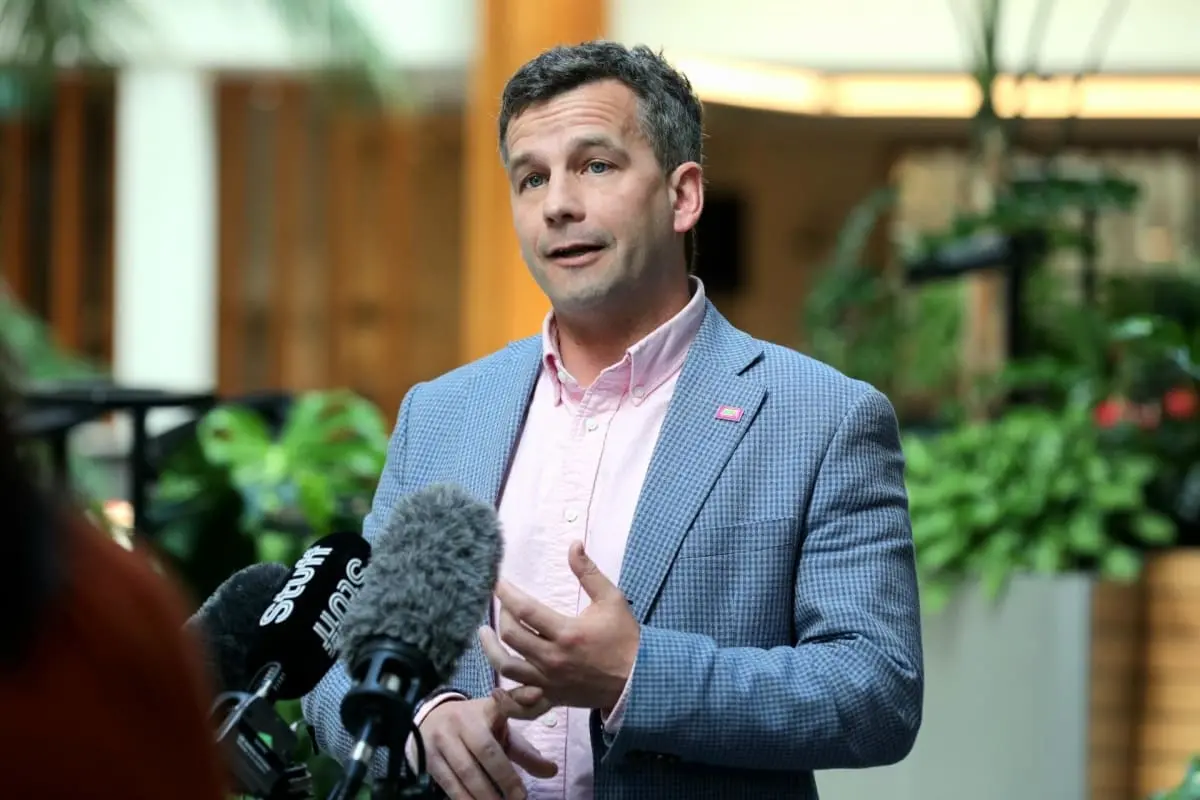
Leader David Seymour said on Monday the party would require independent medical certification against clear criteria for health and disability benefits.
"People who are genuinely disabled and don't have a chance to get to work, they should be looked after well - I've always believed that.
"But you can't tell me that we've had a massive blowout in mental health problems and sickness over the last six that explains the increase in people who supposedly can't work.
"Now, there's one of two failings: either New Zealand has become a much sicker place in the last seven years, or we have got a lot worse at managing and helping people who could be working. And I suspect it's the latter.”
ACT has previously revealed plans to replace local GPs with government-appointed doctors.
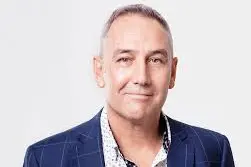
Mental Health Foundation chief executive Shaun Robinson told RNZ’s Checkpoint programme on Monday the approach was poorly researched.
"It's pretty simple-minded and it won't work. It's also based on a lot of assumptions and bigotry.
"I've been monitoring things that Mr Seymour's been saying today and some of it's really quite flabbergasting when he says he won't believe that there's a mental health epidemic in New Zealand. Well, he isn't looking at the numbers that are coming out of the Ministry of Health and Health New Zealand."
In the past nine years, the number of people on the jobseekers benefit had gone up about 80%.
The number of people experiencing mental distress had increased from 7% to 14% since 2019, and for young people it had more than doubled from 11% to 23%, Robinson said.
He said the statistics showed Seymour was wrong about a "hidden health crisis".
However, Robinson did agree with Seymour’s stance on the benefits of people with mental health distress being in work.
"I absolutely agree with that. It's really important, an important part of recovery. It's an important part of socialisation, of feeling part of the community.
“All of those things I agree with. I think the way he's going about it will fail because it's not that there isn't a mental health crisis."
There had been a multitude of factors that were driving increases in mental distress, Robinson said.
"Covid was definitely an inflection point, but actually those numbers have been going up for about a decade before that as well. They get worse in times of economic hardship.
"So again, it's a bit rich to say, you know, we've got to force people off benefits and into jobs when 14,000 jobs have been lost in the last three years."
Robinson said the plan was based on assumptions that people were "faking" their mental distress.
He said general attitudes towards people with mental illness varied from attitudes towards people with physical ailments.
"People often don't understand mental health, they're afraid of it, you can't see it, so it's an invisible health issue, so therefore it's much easier to sort of dismiss it.
"And we have got a mental health crisis, and our politicians are not owning up to that, so it's much easier for them, if you don't want to accept that a problem, the best way not to accept it is to actually deny it and blame people who are actually victims of that problem."
