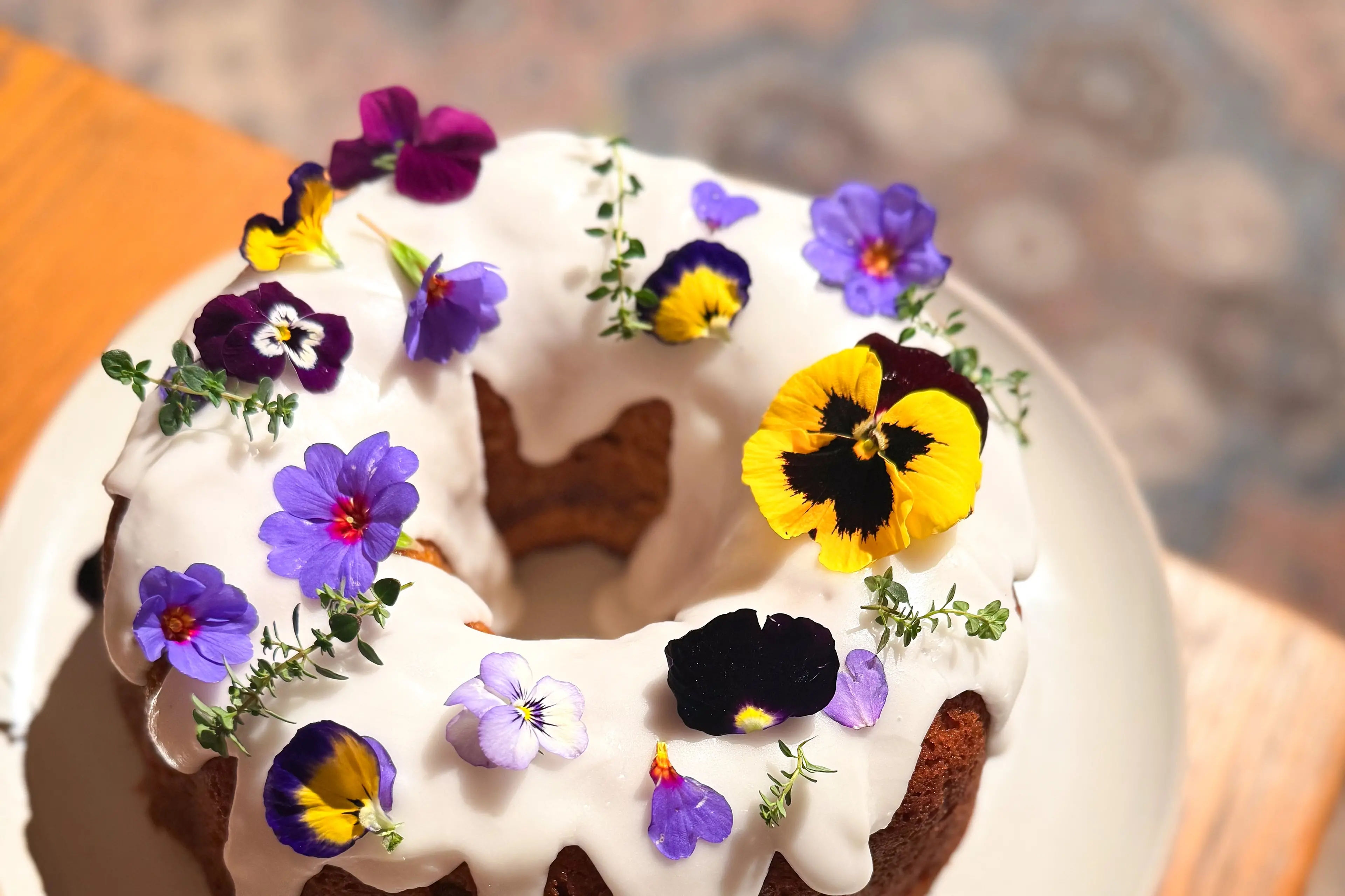
One of my favourite things to do in winter is to block off an entire rainy weekend day and spend it by the fire, with a good book and something fragrant and comforting baking in the oven. There are certain flavours that belong to winter, and in my mind cinnamon is close to the top of the list. When the days are cold and dark, there is something particularly festive about filling the house with the spicy, sweet scent of cinnamon. Cinnamon is a great example of a spice that bridges the gap between everyday food and medicine. We sprinkle it over porridge, stir it into stewed apples and add it to cakes because it tastes delicious, but cinnamon has also been used medicinally for thousands of years. It is warming, aromatic and stimulating to digestion, and traditionally has been used for complaints associated with coldness, sluggish digestion and poor circulation. Cinnamon comes from the inner bark of several species of trees belonging to the Cinnamomum genus. The bark is harvested, dried and rolled into quills, or ground into the powder that most of us have sitting in the spice cupboard. There are actually several different types of cinnamon, and this is worth knowing if you use a lot of it. Ceylon cinnamon (C. verum), sometimes called “true cinnamon”, contains very little of a naturally occurring compound called coumarin. Cassia cinnamon, which is the more common and generally less expensive cinnamon found in supermarkets, contains considerably more. Coumarin is perfectly fine in the small amounts we generally encounter through culinary use, but large, regular amounts can be potentially problematic for the liver. So while I am very fond of cinnamon, just be mindful if cinnamon is something you use medicinally or in large quantities on a regular basis, Ceylon cinnamon is the variety I would choose. One of the things I love most about cinnamon from a herbal perspective is its warming nature. It is an aromatic spice, rich in volatile oils, and traditionally considered stimulating and carminative (this is a herbalist term meaning it can relieve one of wind, cramping and bloating). In other words, cinnamon can be helpful for getting digestion moving and easing the heavy, sluggish feeling that can sometimes follow a meal. It also has an interesting relationship with blood sugar metabolism, which is one reason Ceylon cinnamon has attracted so much modern research. There is some evidence that cinnamon may modestly influence blood glucose regulation, although more research is needed and while potentially helpful, we can’t yet say that it is a magic antidote to a high-sugar diet. As with most herbs, I think it is much more useful to look at this through a holistic lens: cinnamon is a delicious way of adding flavour, aroma and everyday herbal support easily and deliciously through our food. Cinnamon is wonderful with apples, pears, plums, pumpkin, chocolate and nuts. It works beautifully in savoury food too: try it with roasted carrots or pumpkin, in a Moroccan-style tagine, stirred through a lentil or rice dish or alongside cumin and coriander in a warming curry. A little cinnamon in coffee or hot chocolate is another very easy way to use it and I often have a cinamonny-cardamony-chocolatey spice blend made up to add to my morning beverage. Here are two delicious sweet cinnamon recipes for you to try on the next rainy winter day. Cinnamon apple cake Ingredients 220g butter, softened 1 cup brown sugar ¾ cup white sugar ¼ cup olive oil 1 Tbsp vanilla extract 3 large eggs 2¾ cups plain flour 2½ tsp ground cinnamon (Ceylon or cassia) 1 tsp baking powder ½ tsp baking soda ½ tsp salt ¾ cup milk 1 tsp white vinegar 2 apples, peeled and diced into approximately 1cm cubes For the glaze: 2 cups icing sugar, sifted 1 tsp vanilla extract 1-2 Tbsp boiling water Method Preheat the oven to 180°C. Generously grease a Bundt tin with butter or oil spray. Be particularly thorough if using a Bundt tin, as all those beautiful ridges give the cake plenty of opportunities to stick. A regular cake tin can also be used. In the bowl of a stand mixer beat the butter, brown sugar, white sugar, vanilla and olive oil together until light and fluffy. Add the eggs one at a time, beating well between each addition. Sift together the flour, cinnamon, baking powder, baking soda and salt. Add the dry ingredients to the butter mixture in two or three additions, alternating with the milk mixture. Mix gently until just combined — do not over mix. Fold through the diced apples. Pour the batter into the prepared tin and bake for approximately 50 to 60 minutes, or until golden and the centre springs back when gently pressed. A skewer inserted into the middle should come out clean or with a few moist crumbs attached. Allow the cake to cool in the tin for 10-15 minutes before carefully turning it out onto a wire rack to cool completely. For the glaze, combine the sifted icing sugar and vanilla with 1 Tbsp of boiling water. Mix well, adding a little more water only if necessary. You want a thick glaze, thicker than you might initially think (so that it sits on top of the cake rather than running straight off). Pour the glaze over the cooled cake and gently coax it towards the edges with the back of a spoon. It should settle into a smooth, shiny layer. Decorate with edible flowers, dried apple slices or cinnamon quills and serve with an afternoon cup of tea. [Missing Credit]Photo: supplied Salted cinnamon and honey chocolates These are yummy, nutty, high-energy chocolates that are an indulgent step up from bliss balls. They make a lovely afternoon treat and are particularly handy when you want something satisfying and easy to grab. They can be kept in the fridge or freezer, so make a batch and enjoy them whenever the chocolate-and-cinnamon craving strikes. Ingredients 2 cups ground almonds ½ cup tahini ½ cup runny honey 1 Tbsp coconut oil, melted 1 tsp ground cinnamon ½ tsp flaky sea salt, plus extra for sprinkling 250g dark chocolate, for coating Method Place the ground almonds, tahini, honey, melted coconut oil, cinnamon and salt into a large bowl. Mix thoroughly until you have a smooth, cohesive mixture. The mixture should be soft but firm enough to shape, with a consistency somewhere between a soft dough and marzipan. If it seems too sticky, add a little more ground almond. If it is very firm or crumbly, add a little more tahini or honey. Using approximately 1-2 tsp of mixture at a time, roll into small balls and flatten slightly with the palm of your hand. Alternatively, you can press the mixture into a small lined slice tin and cut it into bite-sized squares once chilled. Place the shaped paste in the freezer for approximately 20 minutes to firm up while you melt the chocolate. Melt the dark chocolate gently in a double boiler, taking care not to let any water come into contact with the chocolate. Dip the chilled almond pieces into the melted chocolate, allowing any excess to drip off, then place on baking paper. Sprinkle with a little flaky sea salt while the chocolate is still wet. Allow to set at room temperature or place in the refrigerator if you need these quickly. Store in an airtight container in the refrigerator for up to 2 or 3 weeks, or in the freezer for up to 3 months. Bring back towards room temperature before serving (although I will admit that they are also quite delicious straight from the fridge). Particularly good with a cup of strong black coffee.