
PHOTO

Cook Sweet by Australian chef and author Karen Martini provides plenty of inspiration for those moments.

“Seriously, what I love about sweet treats is the pleasure of creating them: the scent of caramelised sugar drifting through the kitchen; the first waft of yeasted dough as it goes into the oven; the thrill of seeing something rise just as it should.
“There’s a generosity in dessert-making that I adore.’’
Some of the recipes she has learnt from her family and the skills and techniques have been gathered from more than 30 years in professional kitchens.
“These are recipes made for sharing, for savouring during a quiet moment, for celebrations big or small.”
The book:
This is an edited extract from Cook Sweet by Karen Martini published by Hardie Grant Books Photography: Armelle Habib.
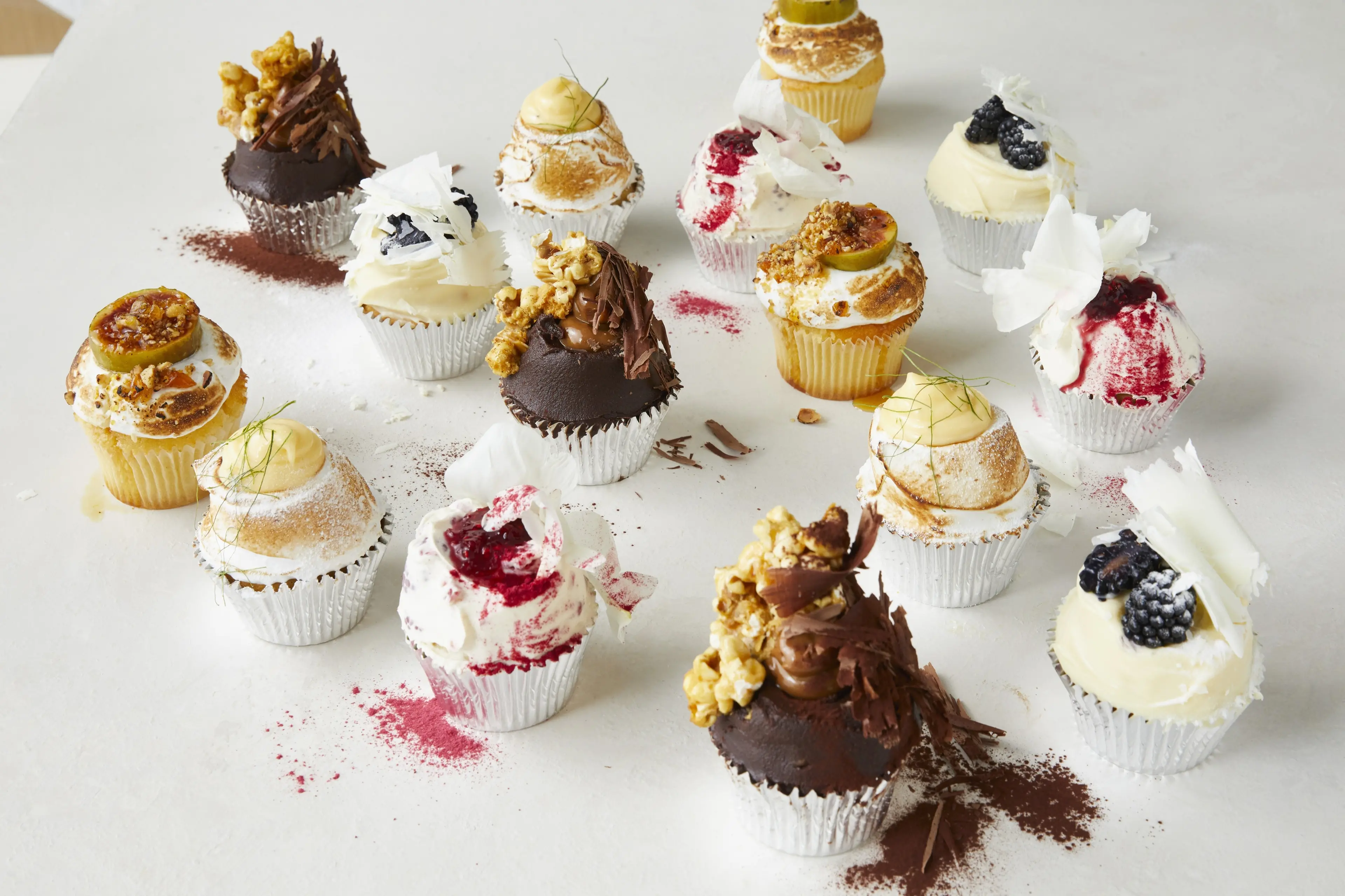
Divine vanilla cupcakes with plain vanilla icing
There’s no creaming of butter and sugar in this recipe. Just put it all in a food processor and voila! The plain vanilla icing makes a great base, ready for any garnish you like.
MAKES: 12
40ml grapeseed oil
200g unsalted butter, softened at room temperature
200g caster (superfine) sugar
4 eggs, at room temperature
250g plain flour, sifted
1 tsp baking powder
1 tsp bicarbonate of soda (baking soda)
2½ tsp vanilla extract with seeds
100ml milk
Plain vanilla icing
140g unsalted butter, softened at room temperature
500g icing sugar
2½ tsp vanilla extract
2 pinches of flaked salt
60ml (¼ cup) milk, warmed
Method
Preheat the oven to 170°C .
Place the oil, butter, sugar, eggs, flour, baking powder, bicarbonate of soda and vanilla into a food processor and process until smooth.
Add the milk gradually, until the mixture is smooth.
Line a 12-hole muffin tin with paper cases. Fill each hole with mixture until two-thirds full. Bake for 16 minutes until lightly golden.
Remove from heat and allow to cool completely on a wire rack before icing.
To make the icing, using an electric stand mixer fitted with the paddle attachment, beat the butter and half of the icing sugar on medium speed until the mix comes together, about a minute.
Add the vanilla and salt, then increase the speed until light and airy.
Reduce to low speed, add the milk and gradually the remaining icing sugar, then increase speed to beat until light and fluffy. Set aside at room temperature before use.
Use a palette knife or blunt-edged knife to shape a mound of icing on to each cake.

Pumpkin and olive oil loaf cake
SERVES: 8-10
Unsalted butter, for greasing
900g (about ½) kent pumpkin (winter squash)
250g (1- cups) plain (all-purpose) flour
1½ tsp baking powder
½ tsp bicarbonate of soda (baking soda)
1 Tbsp ground cinnamon
1 Tbsp ground ginger
1 whole nutmeg, finely grated, or 3 tsp ground nutmeg
2 tsp ground cardamom
250ml (1 cup) extra-virgin olive oil
175g caster (superfine) sugar
100g dark brown sugar
3 Tbsp chopped glacé ginger, plus extra to garnish
1½ tsp salt flakes, plus extra to season
3 eggs
Ginger and cream cheese icing
150g (1¼ cups) icing (confectioners’) sugar
100g unsalted butter, softened at room temperature
Zest of 1 lemon or 2 limes 100ml lemon or lime juice
500g (2 cups) cream cheese, diced, softened at room temperature
125ml (½ cup) pure cream (40%-42% fat)
1 Tbsp ginger juice, squeezed from a 6cm piece ginger, finely grated
Method
Preheat the oven to 175°C. Line a baking tray with baking paper. Grease a 24cm-26cm standard loaf (bar) tin and line with baking paper.
Roast the pumpkin in one piece for 1½ hours. Once cool enough to handle, cut the pumpkin into six wedges and season with salt. Roast on the baking tray for a further 1½ hours to dry bake. Set aside to cool, then remove the skin and roughly chop the flesh into a paste. Weigh out 500g and discard the rest (or save to use elsewhere).
Sift the flour, baking powder, bicarbonate of soda and spices into a bowl.
Put the pumpkin in the bowl of an electric stand mixer. Add the oil, sugars, chopped ginger and salt and whisk on medium speed until smooth, about two minutes.
Add the eggs one at a time, beating after each addition to combine. Add the flour mixture and whisk on low speed until smooth, about two minutes.
Pour the mixture into the loaf tin and bake for 60-70 minutes, until it springs back to the touch or a skewer inserted in the centre comes out clean.
Cool in the tin for 30 minutes before unmoulding, then cool for 30 minutes before slicing. The loaf will keep in an airtight container at room temperature for up to a week.
For the icing, using an electric stand mixer fitted with the paddle attachment, beat the icing sugar, butter and citrus zest on medium speed until smooth, about three minutes.
Add the cream cheese in three batches, beating until incorporated. Add the cream and mix until light and fluffy, about three minutes. Beat in the juice until combined and aerated. Any leftover icing will keep in the fridge for a week.
Use a palette knife or blunt-edged knife to ice the loaf. Garnish with chopped glace ginger, if desired.

Sticky date pudding
My mother made the best sticky date pudding around, with lots of dates and lots of caramel sauce. This is her recipe, though I do always tinker...
SERVES: 8
280g pitted dates, cut in half
450ml water
1½ tsp bicarbonate of soda (baking soda)
90g (⅓ cup) unsalted butter, softened at room temperature, plus extra for greasing
225g (1 cup) caster (superfine) sugar
1 tsp natural vanilla extract or paste
3 eggs 250g (1⅔ cups) self-raising (self-rising) flour
1½ tsp ground cinnamon
1 tsp ground ginger
Ice cream or thick (double/heavy) cream, to serve
Golden syrup butter caramel sauce
150g (⅔ cup) caster (superfine) sugar
30ml water
75g unsalted butter
120g soft brown sugar
100g golden syrup, or light treacle
350ml pouring (single/light) cream
1 tsp salt flakes
Method
To make the caramel sauce, heat the caster sugar and water in a saucepan over a low heat until the sugar dissolves. Increase the heat to high and cook to a medium caramel, about eight minutes.
Remove from the heat and stir the butter through. Stir in the brown sugar to combine, then the golden syrup, cream and salt, stirring after each addition.
Return to the heat and bring to the boil, then reduce the heat to medium-low and simmer until the caramel reaches 113°C.
Pour into a jug and cool a little before using. If the sauce is too thick, loosen with a little hot water.
The sauce can be made ahead of time, and reheated when required. It will keep in a sealed jar in the fridge for up to a week.
To make the pudding, preheat the oven to 180°C. Grease a 30cm×25cm roasting tin and line with baking paper, or use a greased ceramic dish to serve directly at the table.
Combine the dates and water in a saucepan over a medium heat, bring to the boil and cook for two minutes.
Add the bicarbonate of soda and stir to break up the dates a little, then set aside.
Using an electric stand mixer, whisk the butter and sugar on medium until pale and fluffy, about five minutes. Add the vanilla and the eggs, one at a time, whisking until combined.
Sift the flour, cinnamon and ginger into a large bowl, then fold into the butter mixture. Next, fold in the date mixture to just combine.
Pour the batter into the roasting tin or dish and bake for about 30-40 minutes until a skewer inserted in the centre comes out clean.
Stand the pudding for two minutes, then pour half the caramel sauce over. Scoop out portions and serve with ice cream or cream, with the remaining sauce on the side.