
PHOTO
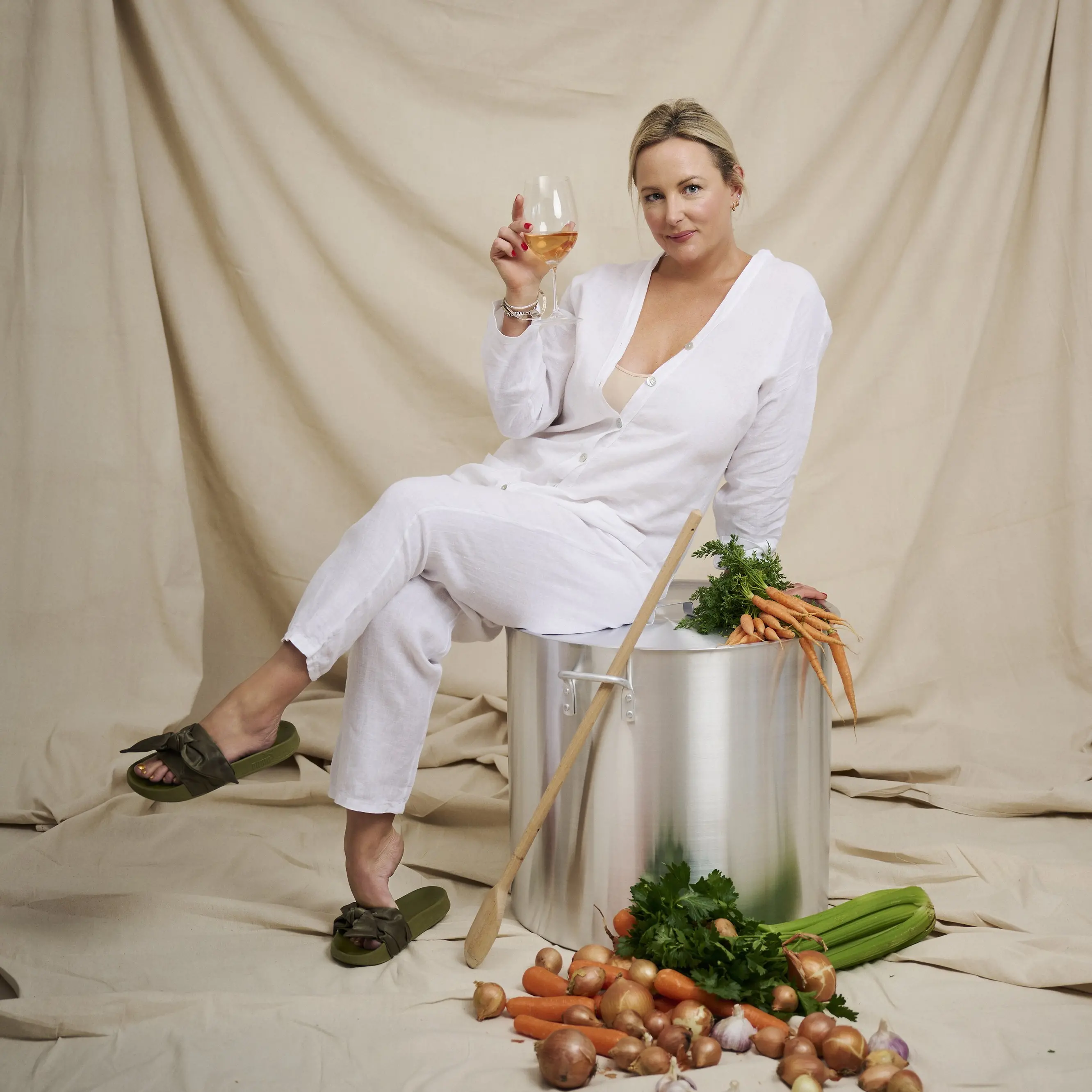
“Where comfort meets elegance and every meal is an opportunity to connect, to share and to relish the beauty of life one delicious bite at a time.’’
When she was younger and was asked what she liked to cook, she would always say “anything low and slow’’.
Later on the Australian food styler and travel writer held a “light-hearted’’ how-to-stew class and began digging into the history of stewing, discovering to her surprise that its origins were not in Italian or French cooking but Japanese cuisine, thanks to their mastery of hard-firing ceramics enabling them to make pots to withstand low, slow cooking.
“When evolution handed us the extraordinary gift of cooking amongst fire instead: slow, sheltered, melting flavours together with patience and care that results in pure succulence.’’
Tweed says stewing is much more than tough cuts of meat and humble vegetables simmered “into submission’’.
“Stewing, braising or souping is the adoration of anything cooked in liquid, in a vessel using time and tenderness to transform it.’’
Moving across continents the slight shift in stewing traditions is fascinating - some are predictable, others wildly inventive - but one thing remains consistent: gentleness.

She describes the book as one person’s exploration of stewing and hopes it inspires others to do the same.
“Exploring your palate, caring and feeding your loved ones with as much warmth as a pot can muster. All the while nurturing your own soul.’’
Tweed includes instructions on how to build a “killer stew’’ using different aromatics, spices and seasonings along with herbs and finishes before providing the recipe for the “braise that started it all’’.
“The purpose of this basic braise is simple: to give you a container of slow-cooked, fall-apart meat nestled in its own jellified liquid gold. From here you can divide and rework it into a variety of meals throughout the week.’’
From there the book is divided into chapters based on proteins, beef, pork, poultry, seafood, vegetarian and yes, sweet.
The book:
Images and text from Tender by Lucy Tweed, photography by Rob Palmer, published by Murdoch Books, RRP $45.

Butterflied spicy cacciatore
Serves 4-6
Cook time 50 min + resting
Ingredients
2 Tbsp olive oil
1 tsp smoked paprika
1 tsp sweet paprika
½ tsp ground cumin
½ tsp dried chilli flakes
½ tsp ground coriander
½ tsp dried oregano
salt
freshly ground black pepper
1 whole chicken (about 1.5 kg), butterflied (see hints)
4 garlic cloves, thinly sliced
1 red capsicum (pepper), sliced into thin strips
1 yellow capsicum (pepper), sliced into thin strips
1 long red chilli, cut in half (optional)
1 brown onion, thinly sliced
400g tinned crushed tomatoes
100ml dry white wine
100ml chicken stock
1 Tbsp tomato paste (concentrated puree)
1 bay leaf
1 Tbsp red wine vinegar
crusty bread or fries, to serve
Simple salsa salad
1 handful black Spanish or kalamata pitted olives
1 Tbsp capers, rinsed
1 Tbsp roughly chopped fresh oregano
15g (½ cup) roughly chopped flat-leaf parsley leaves
juice and zest of ½ lemon
1 small garlic clove, crushed
2 Tbsp extra-virgin olive oil
Salt
Method
Preheat the oven to 200°C fan-forced.
In a small bowl, mix together 1 tablespoon of the olive oil, the smoked paprika, sweet paprika, cumin, chilli flakes, ground coriander and oregano, and salt and pepper to taste. Rub the mixture all over the butterflied chicken.
In a large bowl, toss the garlic, capsicums, chilli (if using) and onion with the crushed tomatoes, white wine, chicken stock, tomato paste, bay leaf, red wine vinegar, the remaining tablespoon of olive oil and a pinch of salt. Pour this mixture into a large baking tray with sides and nestle the chicken, skin-side up, on top.
Roast for 50-55 minutes, basting the chicken skin a few times with the pan juices, until the chicken is deeply golden and the sauce is thick, glossy and bubbling.
Combine all the salsa salad ingredients together in a bowl and season well. Set aside until serving.
Rest the chicken for 5-10 minutes in the juices before carving. Spoon over plenty of the sauce and serve with a big chunk of fresh crusty bread or fries.
Refrigerate in an airtight container for up to 3 days, or freeze for up to 3 months.
HINTS
• Butterflying a chicken is rather simple with a sharp knife or kitchen shears. Simply place the chicken breast-side down and then snip away the backbone, cutting either side of it along the ribs. (You can freeze this for stock or discard it.) Now turn the chicken breast-side up and flatten it out, cracking the wishbone at the top with the palm of your hand. Or, you can ask your butcher to do this.
• If the sauce gets too thick towards the end, splash in a little extra hot stock or water to keep it glossy and spoon-able.
• Swap white wine for beer for a more rustic, earthy flavour.
• Add a squeeze of lemon over the chicken right before serving, for brightness.
The braise that started it all
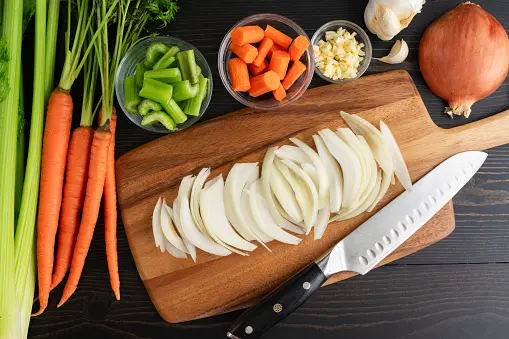
This is the one that started it all - the craving for something deeply rich, ultimately tender, but ready and waiting midweek.
It convinced me I should host a workshop and teach others how to stew with reckless, joyful abandon.
I’ve used a mix of lamb shank, pork neck and beef shin - lamb for richness, pork for sweetness and beef for balance.
Pick and choose as you please or just go all one flavour.
Serves 6-8
Cook time 3½-4 hours (oven) / 6-8 hours (slow-cooker) / 1 hour (pressure cooker)
Ingredients
1.5kg of your favourite stewing meat (e.g. lamb shank or shoulder, pork neck or shoulder, beef shin or chuck/braising beef)
1 garlic bulb, cloves unpeeled and crushed
1 brown onion, roughly chopped or thickly sliced
1 celery stalk, chopped
1 carrot, peeled or scrubbed, cut into 10cm lengths
a few sprigs of your favourite woody herbs (e.g. thyme, rosemary or bay leaves - I used all three)
1 tsp black peppercorns
1 litre (4 cups) stock (beef, chicken or vegetable)
1 Tbsp tomato paste (concentrated purée) (optional)
125ml (½ cup) white wine (optional)
Methods
Preparation (optional):
If time permits, heat a large frying pan over medium–high heat and sear a few pieces of the stewing meat until browned on one side. This step adds a deeper flavour to the stew.
Oven method:
Preheat the oven to 160°C fan-forced.
In a heavy, ovenproof dish, combine the meat, garlic, onion, celery, carrot, herbs, peppercorns and stock. If using, stir in the tomato paste and wine. Cover the mixture with a baking paper cartouche (a piece of baking paper cut into a round and placed directly on the surface of the stew), then seal the pan tightly with foil. Cover the pan with a heavy lid and place the dish in the oven. Cook for 3½-4 hours until the meat is tender and the flavours are well developed.
Slow-cooker method:
Place all the ingredients into a slow-cooker. Cover and cook on low for 6-8 hours or until the meat is tender.
Pressure cooker method:
Add all the ingredients to a pressure cooker. Seal the lid and cook on high pressure for 1 hour. Allow the pressure to release naturally or use the quick-release method according to your pressure cooker’s instructions.

Green curry stew
The speed and delight of a Thai curry makes it perfect for weeknight cooking.
This recipe uses the rich, tender meat from the basic braise (below) to build a fast, fresh dinner. It’s a shortcut in the best way: deep flavour already baked in, ready to meet coconut milk, herbs and a hit of lime for something bright and satisfying.
For this one I used pork neck for the braise - it’s sweet, juicy and tender - but you can use whatever meat you like.
Serves 4
Cook time basic braise + 20 min
Ingredients
2 Tbsp good-quality green curry paste
500g basic braise I made it using pork neck (about 2 cups)
400ml coconut milk
1 litre (4 cups) chicken or vegetable stock
200g rice noodles
4 baby bok choy, halved
2 Tbsp freshly squeezed lime juice
1 Tbsp brown sugar
1-2 Tbsp fish sauce
To serve
fresh herbs (mint, Thai basil, coriander/cilantro)
1 small red onion, thinly sliced lime wedges
fresh chilli, sliced (optional)
steamed snow peas (mangetout) (optional)
Method
In a large saucepan over medium heat, heat the green curry paste through for about 5 minutes or until it smells fragrant and delicious. Add the meat to the pan and cook until heated through - 15-20 minutes if chunky, 10 minutes if the meat is shredded. Pour in the coconut milk and stock and bring to a simmer.
Meanwhile, prepare the rice noodles according to the packet directions and set aside.
Blanch the baby bok choy in boiling water until tender. Drain the bok choy over the noodles to bring the noodles back up to temperature, then place into serving bowls.
Season the curry with the lime juice, brown sugar and fish sauce, adjusting to taste.
Ladle the curry over the noodles and bok choy in each bowl. Garnish with fresh mint, Thai basil, coriander, red onion slices, a squeeze of lime and fresh chilli. Serve with steamed snow peas if desired.
Refrigerate in an airtight container for up to 3 days, or freeze for up to 3 months.
HINTS
• For a vegetarian version, substitute the meat with tofu or mixed vegetables.
• Adjust the spiciness by varying the amount of green curry paste or by adding fresh chilli.
• Use fresh herbs generously to enhance the flavour and aroma of the dish.

Lady Marmalade duck pancakes
Make-at-home duck pancakes, but fancy. These duck breasts are gently braised in marmalade, hoisin, soy and orange until rich and sticky like duck a l’orange took a trip to Chinatown.
I don’t score the skin here because, much like with lamb, I think a tender strip of fat just under the crisp is the perfect ratio. You want that sliver to stay luscious, not disappear into the pan.
This is a very fun, slightly decadent and unapologetically playful dish - sticky fingers encouraged.
Serves 4
Cook time 45 min
Ingredients
4 boneless duck breasts, skin on
salt
2 tsp Chinese five-spice
2 garlic cloves, finely chopped
3cm (1¼ inch) piece of fresh ginger, peeled and finely grated
1 small red chilli, thinly sliced (optional), plus extra to serve if liked
2 Tbsp orange marmalade (fine if possible)
2 Tbsp hoisin sauce, plus extra to serve
2 Tbsp soy sauce
2 Tbsp Shaoxing wine (or dry sherry)
zest and juice of 1 orange
1 tsp sesame oil
8 Chinese pancakes (store-bought or homemade), warmed
2 Lebanese (short) cucumbers, deseeded and finely diced
3 spring onions (scallions), thinly sliced
Method
Lightly season the duck on the meat side (not skin) with salt and five-spice.
Place the duck, skin-side down, in a cold heavy-based non-stick pan, then turn the heat to medium. Cook for 8-10 minutes until the fat has rendered and the skin is crisp. Flip and sear the flesh side for 1 minute, then remove and set aside.
Pour off most of the duck fat (reserve it for potatoes, obviously), leaving a little in the pan. Add the garlic, ginger and chilli (if using) and saute for 5 minutes. Stir in the marmalade, hoisin, soy sauce, Shaoxing wine, orange zest and juice and bring to a simmer.
Return the duck breasts to the pan, skin-side up. Cover and braise gently over low heat for 15 minutes until just cooked through and tender, basting occasionally. Remove the breasts and set aside to rest.
Uncover the pan, turn the heat up to medium-high and reduce the sauce slightly until thick and glossy, 5-10 minutes. Add the sesame oil, stir it through, then turn the heat off.
Slice the duck breasts, crossways, 5mm thick.
Heat the pancakes in the microwave or steam as per the packet instructions.
In a bowl, toss together the cucumber and spring onion.
Serve the sliced duck drizzled with sauce along with pancakes and the cucumber salsa. Add extra chilli, if desired.
Refrigerate in an airtight container for up to 3 days, or freeze for up to 3 months.
HINTS
• You can prepare the sauce a day ahead, store in the fridge in an airtight container, then reheat gently before serving.
• The duck can also be finished in the oven at 180°C fan-forced if your pan is oven-proof just cover for the first 5 minutes, then uncover to reduce.
• Try adding a dash of black vinegar if you want a little extra twang.