
PHOTO
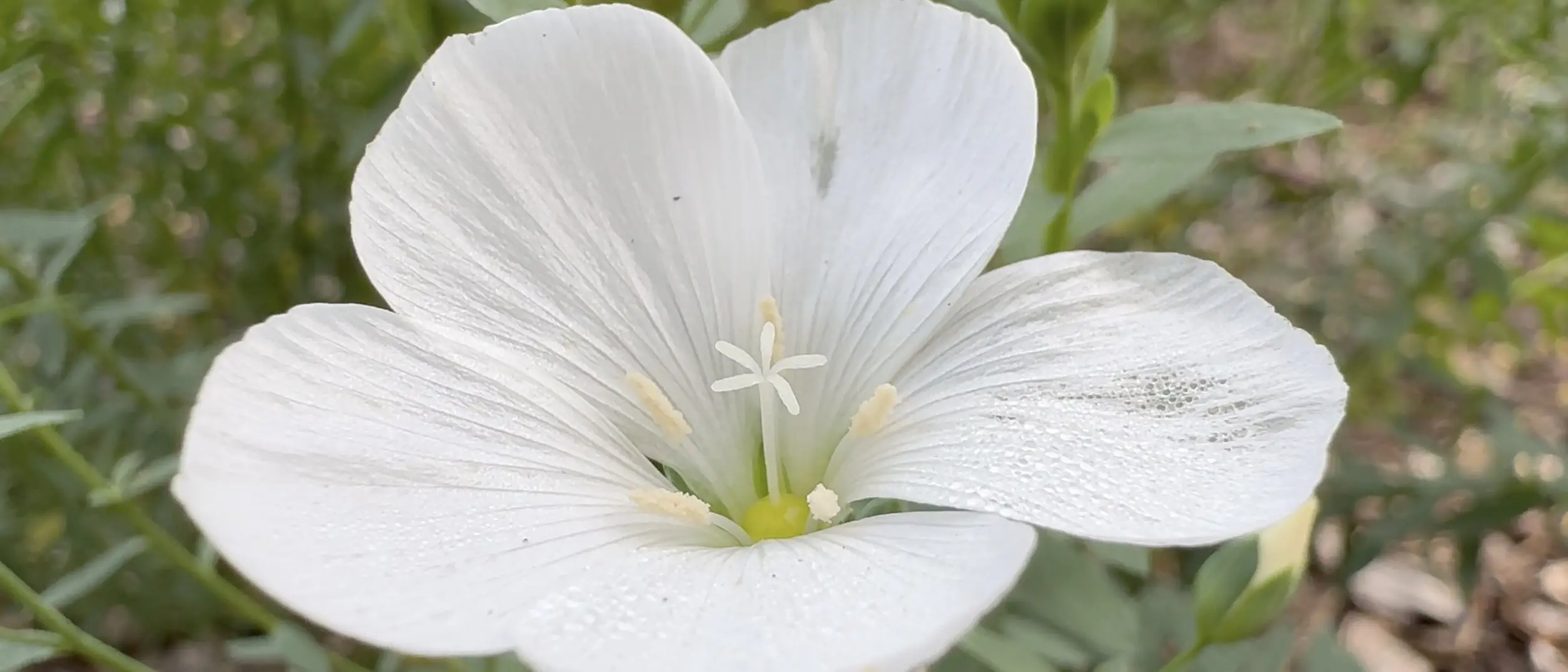
Aotearoa New Zealand is renowned for having an exceptionally high proportion of white-flowering plant species. This is thought to be due to the lack of specialised pollinators.
The colourful flowers often seen in the northern hemisphere have co-evolved alongside selective, long-tongued pollinators like bumblebees. However, all 28 native bees have short tongues.

Here, open white blooms stand out in bright daylight on exposed alpine slopes and coastal cliffs, attracting a busy daytime mix of flies, beetles and native bees. As night falls, moths and more beetles emerge to be guided to flowers whose reflective petals gleam brightly against dark foliage.
Some white flowers also use scent to attract pollinators and where they have yellow centres, these may change to brown when the flowers are pollinated.
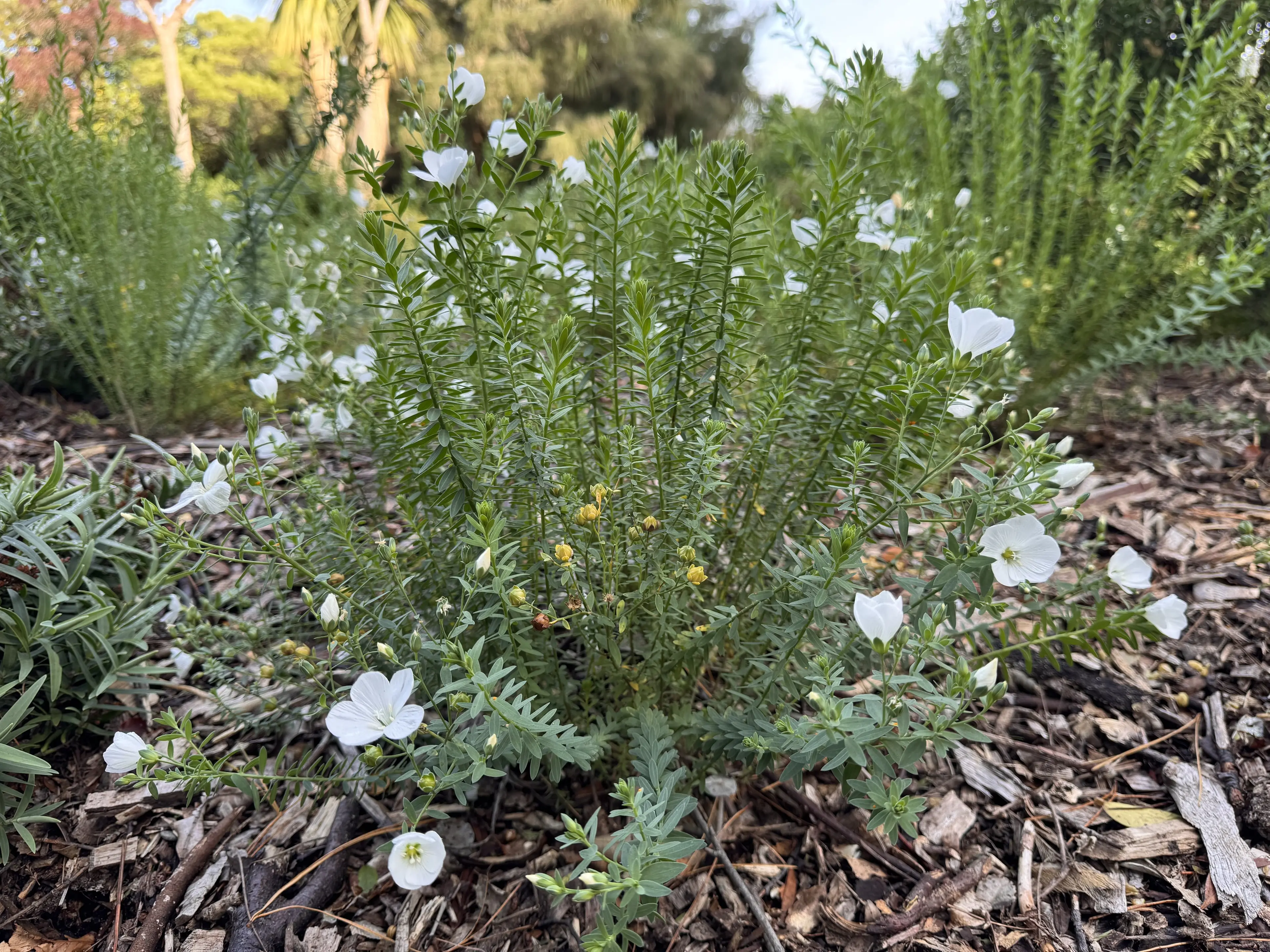
Plants like the coastal Linum monogynum attract pollinators by producing luminous white flowers that shine like a lighthouse with wide petals that function as stable platforms for harvesting nectar. Though the petals drop after just one day, the plant grows fresh flowers every morning, so insects always have a place to land.
Find them blooming within the hebe collection at the entrance to the native section in the upper botanic garden.