
PHOTO
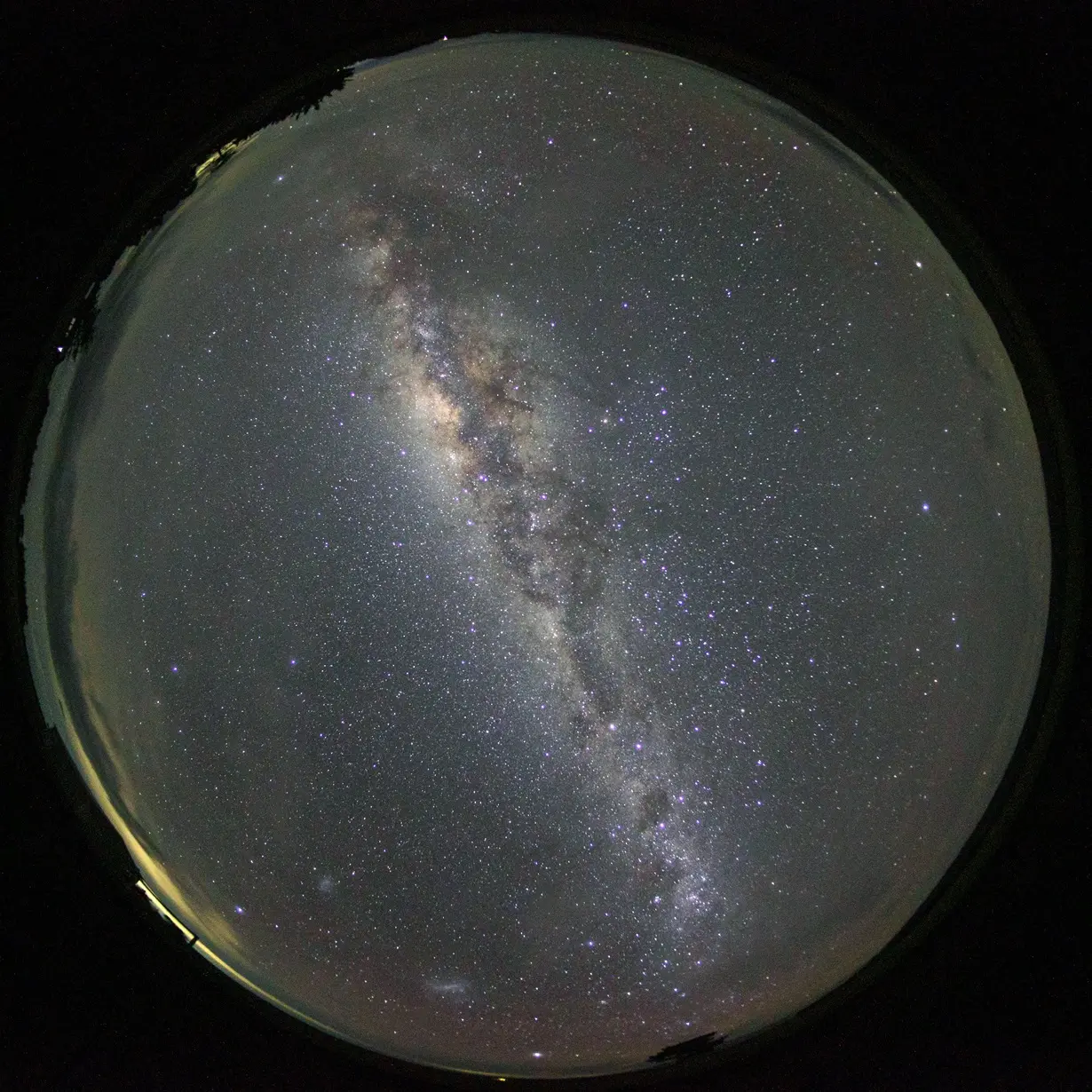
Last Sunday was the winter solstice, the year’s longest night and one of the best times to see the bright heart of our Milky Way arching across the southern sky.
It also begins the weeks leading to Matariki’s pre-dawn return and Te Mātahi o te Tau, the Māori New Year.
Looking up at the night sky, and gathering to share what we see, are among humanity’s oldest habits. Neither began because anyone could prove they would be useful one day.

Those thoughts stayed with me this week as I read two seemingly unrelated stories. Prof Brian Cox and other British astronomers were urging Westminster to reconsider cuts to astronomy and particle physics. Closer to home, Tourism Minister Louise Upston argued that regional museums are primarily a local government responsibility, since visitors rarely travel to a region solely for them.
Cox made the case for discovery for its own sake. Upston was arguing about who should fund museums. Together, the stories raise a deeper question: how do we decide what knowledge is worth supporting?
I have spent my career working in two professions that are regularly asked to justify themselves: astronomy and museums. Both exist because earlier generations believed understanding the world was worthwhile, even when they could not know what that understanding might one day achieve.
The rewards of curiosity are often discovered much later. In 2019, a local farmer noticed unusual impressions in the Kyeburn riverbed. They proved to be fossil moa footprints, preserving the passage of birds that crossed a muddy riverbank millions of years ago. Nobody set out looking for a commercial return. Preserving the evidence allowed an extraordinary story to emerge.
Museums preserve and interpret the past. Long before astronomy became a profession, our ancestors watched for Matariki’s pre-dawn winter rising. Knowledge survives because each generation chooses to pass it on.
Supporting only those things that promise an immediate return assumes we already know the questions future generations wish we’d asked. History suggests otherwise. Discovery begins with curiosity, not with expected economic return.
At this time of year, the Milky Way arches overhead just as it has for generations. Walk through a museum, and you’ll encounter the legacy of people who preserved knowledge without knowing who would one day need it. The greatest returns on curiosity are rarely immediate, often unexpected, and usually recognised only in hindsight.