


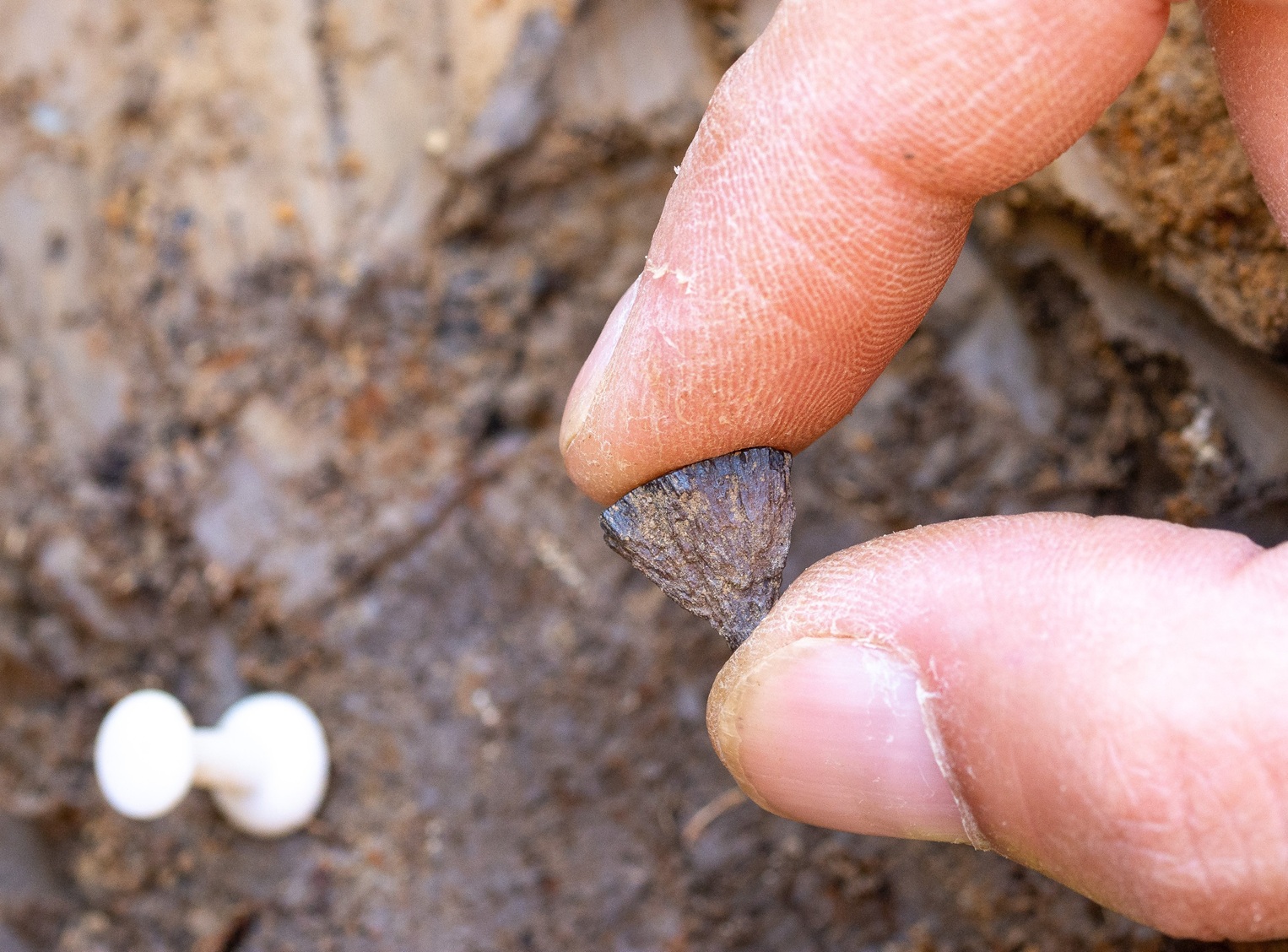
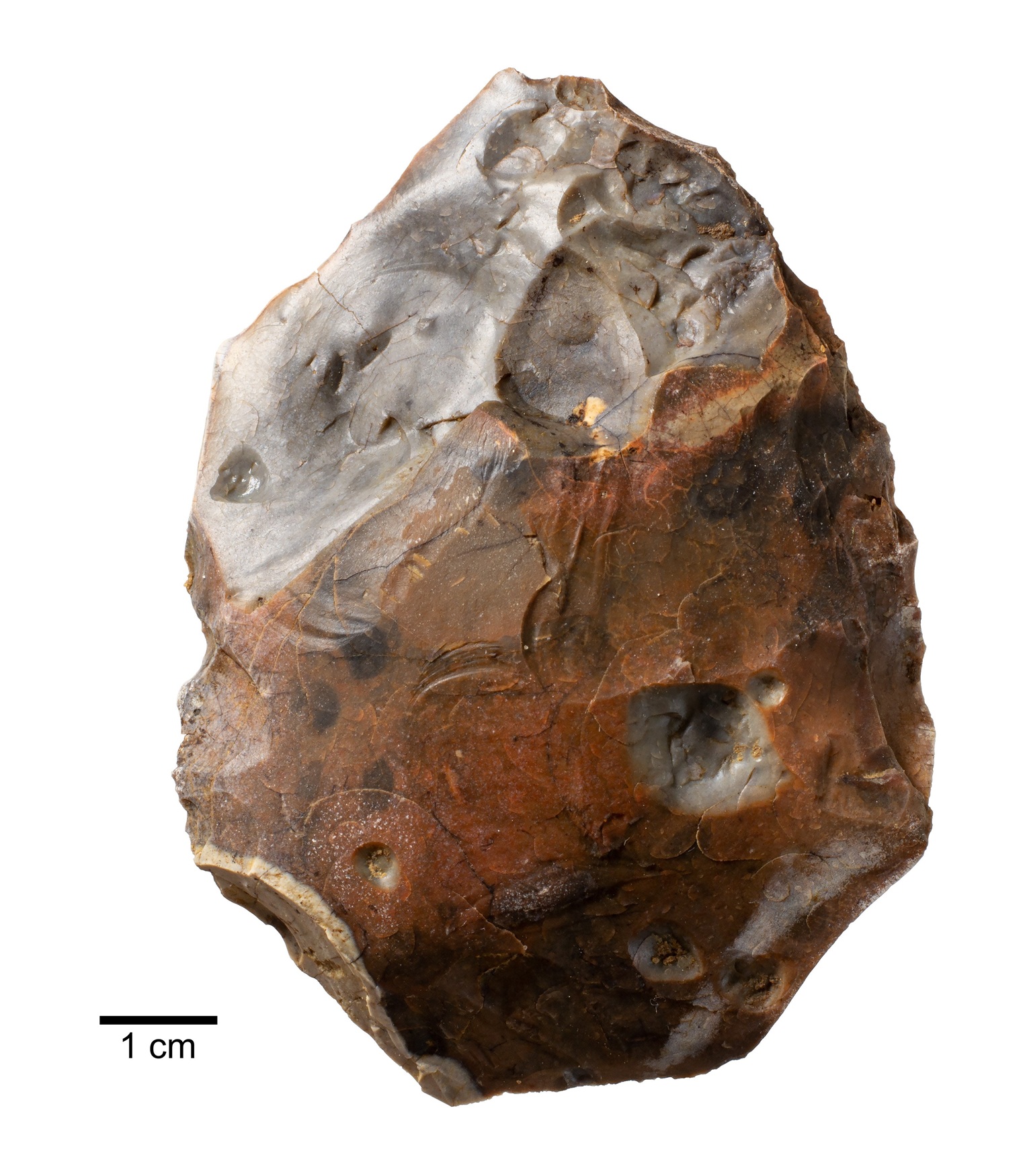
The site, Barnham in eastern England, has yielded pieces of pyrite that were used to create sparks to light fires. We humans are not adapted to the cold.

We will find them making fire, hunting with sharpened wooden spears, flaking hundreds of stone tools and even expanding north into seasonal hunting grounds where the climate was much colder in winter. At Gesher Benot Ya’aqov in Israel, concentrations of flint tools have been found that were modified by heat. The inhabitants of that lakeside settlement 800,000 years ago used fire, a skill with a long previous history in their African homeland, for evidence of fire comes from Wonderwerk Cave in South Africa a million years ago.
Most Neanderthal living sites are found in the forefront of caves, where the overhang provided shelter. Excavations have uncovered a distinctive pattern within their homes, of spaced hearths lining the walls, to provide warm single-sleeping places.
This site also contained a Neanderthal home and by counting the number of hearth spaces, it is estimated that a Neanderthal social group would have had 10-25 people. What the new discovery suggests, therefore, is that early Neanderthals had discovered how to create fire, rather than wait for lightning or a volcanic eruption.


