
PHOTO
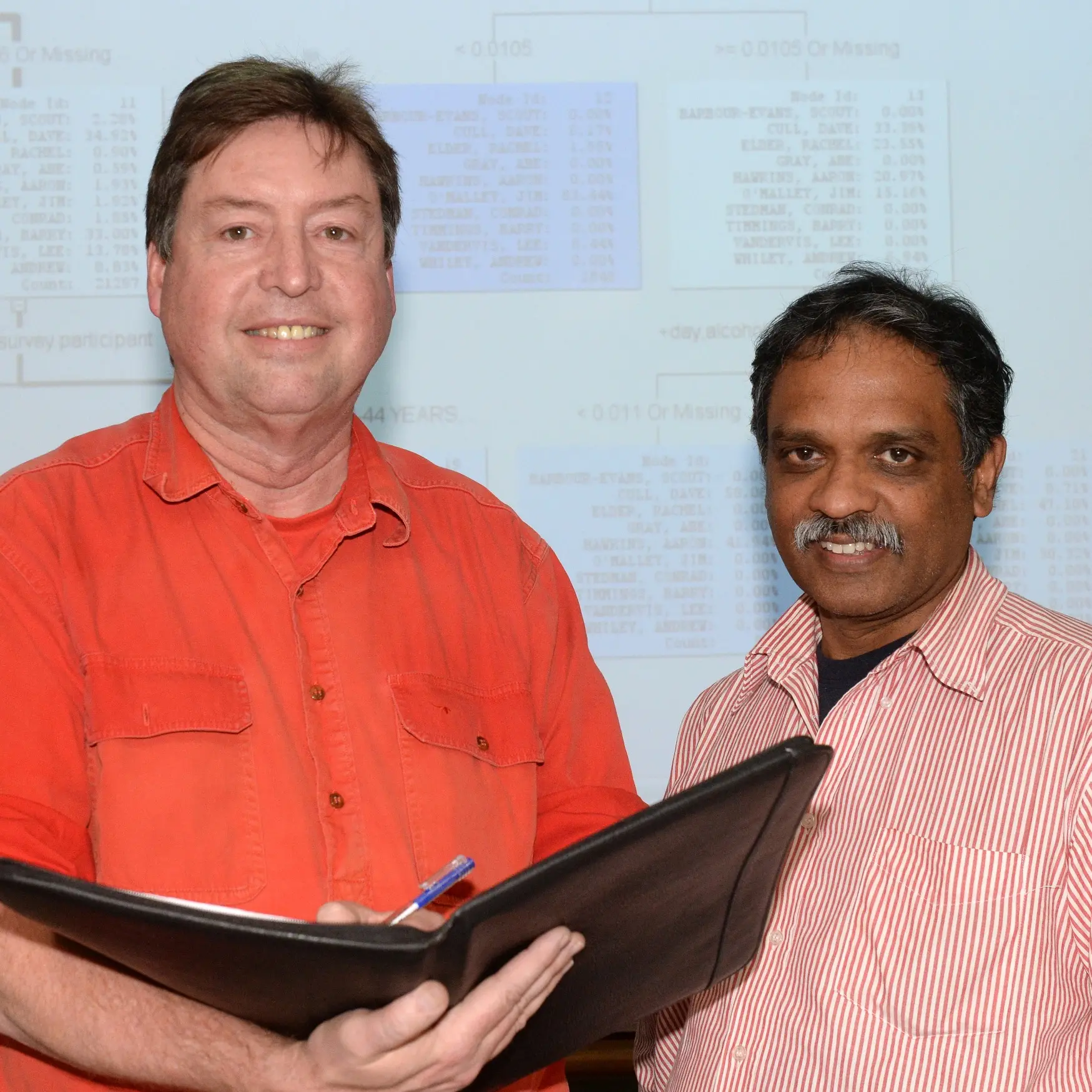
Two University of Otago academics have developed a form of data-mining that has revealed some of the themes that could have helped Dunedin election candidates swing votes their way.
But the process will be used to help teach marketing students rather than help struggling candidates hone their political message for the next election.
The pair ran a survey on the Otago Daily Times website the week before the election.
The survey included a ranking system for mayoral choice, the same as voters received in their voting packs.
It also included a question about what issues respondents were concerned about, and what made them happy to live in Dunedin.
Once the data was gathered, the respondents’ age, gender and locality were matched back to census data, then weighted depending on how many people of that age and gender lived in the locality.
That weighting also meant it was less likely people could have cheated on the survey by getting friends to fill it in in a certain way.
From 244 usable respondents, the data was fed into software that came up with list of words drawn from question responses.
Those were linked to the candidates by the respondents’ voting patterns.
For Cr Lee Vandervis, for instance, the words "grow", "business", "leadership" and "positive" would have been useful to attract swing voters.
The software, if used, would allow the user to then look at the text the words came from to see the sort of statements voters were making, and the themes behind the words.
Those included snippets like "Dunedin needs good leadership," and "the mayor we have is not good".
"Laser that on to his car and it would help him get elected,' study co-author Dr Damien Mather said.
"If he spoke to those concerns he would get more votes."
The software also showed where candidates struggled.
From the data gathered, Cr Andrew Whiley did not do so well in Northeast Valley, or with the 20-24 age range.People in Belleknowes, Mornington and Opoho were less likely to vote for Cr Vandervis.
Dr Mather said the data "allows us to identify themes in what people are concerned about, and what people find makes them happy that in any way relate to the pattern of how they vote, and then explore that in great detail".
While not explaining everything about why someone voted in a certain way, it did explain the extent the vote might swing.
Of the matters raised as concerns by correspondents, Dr Mather said they were not necessarily related to fact.
"This is just people’s perceptions," he said.
He said people often did not make their choices based on logic.
Data mining was already used overseas where social media was mined and "words put in politicians’ mouths", Dr Mathew Parackal said.
US President Barack Obama’s campaign managers had used such methods.
The pair said the work they were doing would be used to teach students, and would be published in a journal article.
On concerns about data mining, Dr Mather said political candidates in the past had been fairly criticised for being "poll driven", taking a manufactured position on an issue based in poll data.
As responsible academics, if politicians examined the results or benefited from the analysis they would "strongly encourage them to only adapt to themes and topics they themselves are genuinely interested in or concerned about", rather than use them to jump on a bandwagon.
"The former is a long-term sustainable strategy for political success, the latter is a short-term political tactic which is bound to be picked up by the voting population over a very short time."