
PHOTO
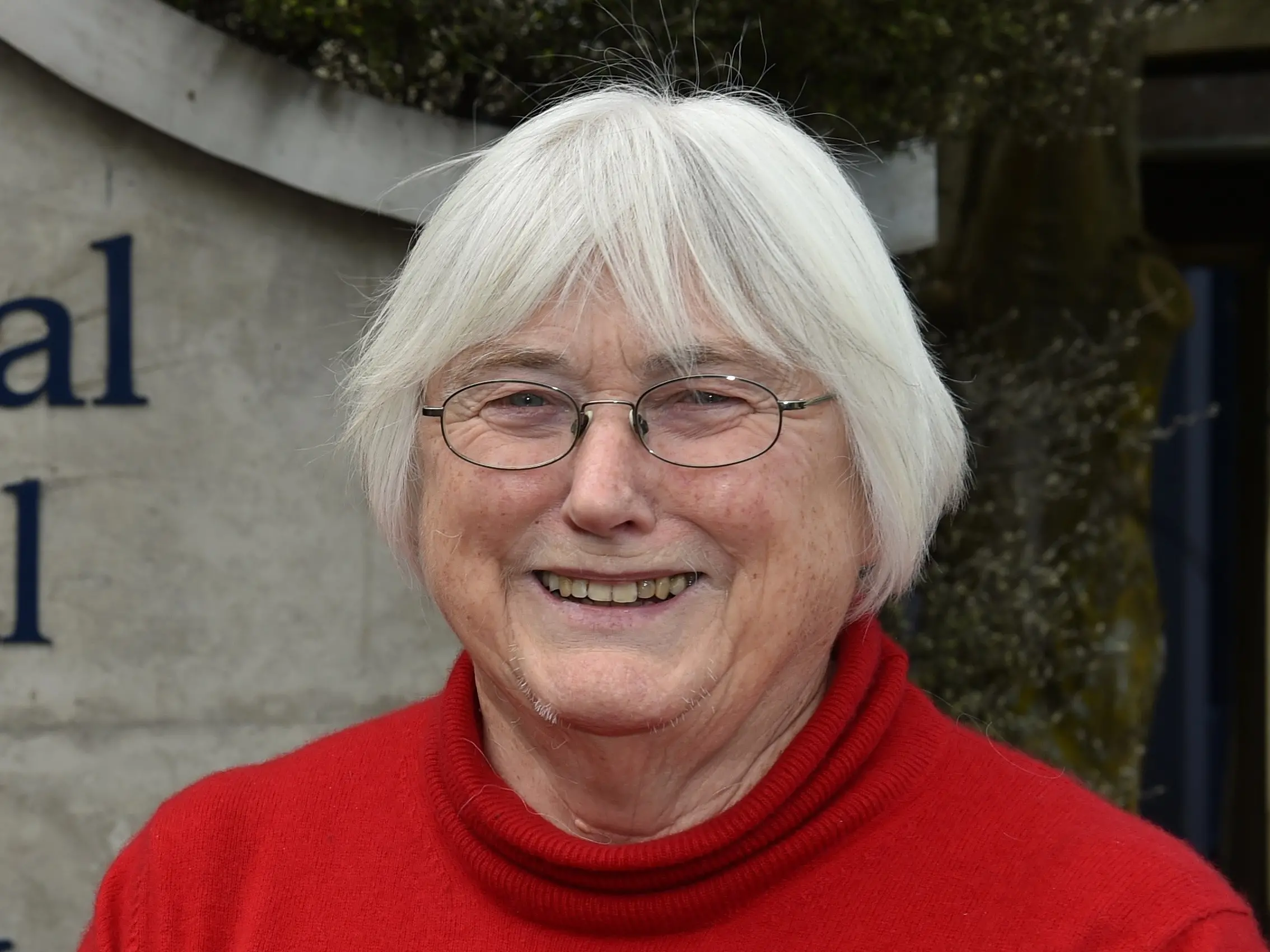
The Otago Regional Council’s former chairwoman has signed a petition aiming to disband the elected councillors and appoint commissioners to govern the council.
Cr Marian Hobbs was also among several councillors who called for help in a letter to Environment Minister David Parker last week.
They alleged conflicts of interest, predetermination and unnecessary delays in noting minimum flows for the Manuherikia River.
Signed by Crs Bryan Scott, Alexa Forbes, Gretchen Robertson and Cr Hobbs, the letter refers to councillors’ "dysfunctional behaviour" and questions the integrity of their work.
This is not the first time councillors have clashed over water issues recently, and it is not the first time Mr Parker has been called for help.
A majority ousted Cr Hobbs as chairwoman last year after it was revealed she wrote to Mr Parker asking if he might bring in a commissioner if she lost a key vote on water issues.
Now, Cr Hobbs said she had signed a petition launched at the weekend asking Mr Parker to dismiss the councillors and appoint commissioners to govern the council.
She said she was "utterly disheartened" after last week’s meeting, when a majority of councillors voted to fill gaps in council staff’s scientific work rather than note minimum flows for the Manuherikia.
"I would rather go and be taken out by a commissioner than just go and leave them to it," she said.
"I was utterly disheartened. Because I have lost trust; I’ve absolutely lost trust."
Cr Scott said the Manuherikia decision did not follow national environmental rules and processes, which included using the best information available at the time of a decision.
Councillors did not prioritise the health and wellbeing of the waterway, and they failed to operate with an open mind, Cr Scott said.
Chairman Andrew Noone said the council was reviewing key planning documents and developing a land and water regional plan within an agreed timeframe, set by Mr Parker.
The Manuherikia catchment was complicated, complex and highly modified, he said.
Solutions would not be straightforward and would need time to resolve.
The council two months ago notified the proposed regional policy statement, which has a vision and objectives for managing the Manuherikia.
"It seems like when we have all the appropriate information we make decisions," Cr Noone said.
"Sure we will from time to time have differences of opinion - that’s democracy.
"It’s an exaggeration to describe ORC [council] governance as dysfunctional. I strongly refute those claims."
Deputy chairman Cr Michael Laws said elected representatives sometimes did not perceive issues the same way, nor did they always enjoy the outcome of democratic procedures.
"Often this can make them irritable and at such times, tempers can rise. That’s human nature," Cr Laws said.
In this case, the majority of councillors had considered the science was too incomplete to make a decision that had such far-reaching consequences.
Sadly, the council had a history of hasty decisions made with incomplete information, Cr Laws said.
"We rejected the view that a hasty decision is a good one, in favour of making the right decision, with the right information, at the right time.
"That’s called good decision-making."
Mr Parker said he wanted to understand more about some of the points raised in the letter before commenting on them.
The underlying water issue had been a responsibility of the council to resolve since the Resource Management Act was passed 30 years ago, he said.
"I do not have a view on what the minimum flow should be, but I do expect the regional council to meet its responsibilities without further delay."
Central Otago Environmental Society chairman Phil Murray said he launched the petition to oust Otago regional councillors at the weekend because he had "lost faith" in the will of the council to implement change.