
PHOTO
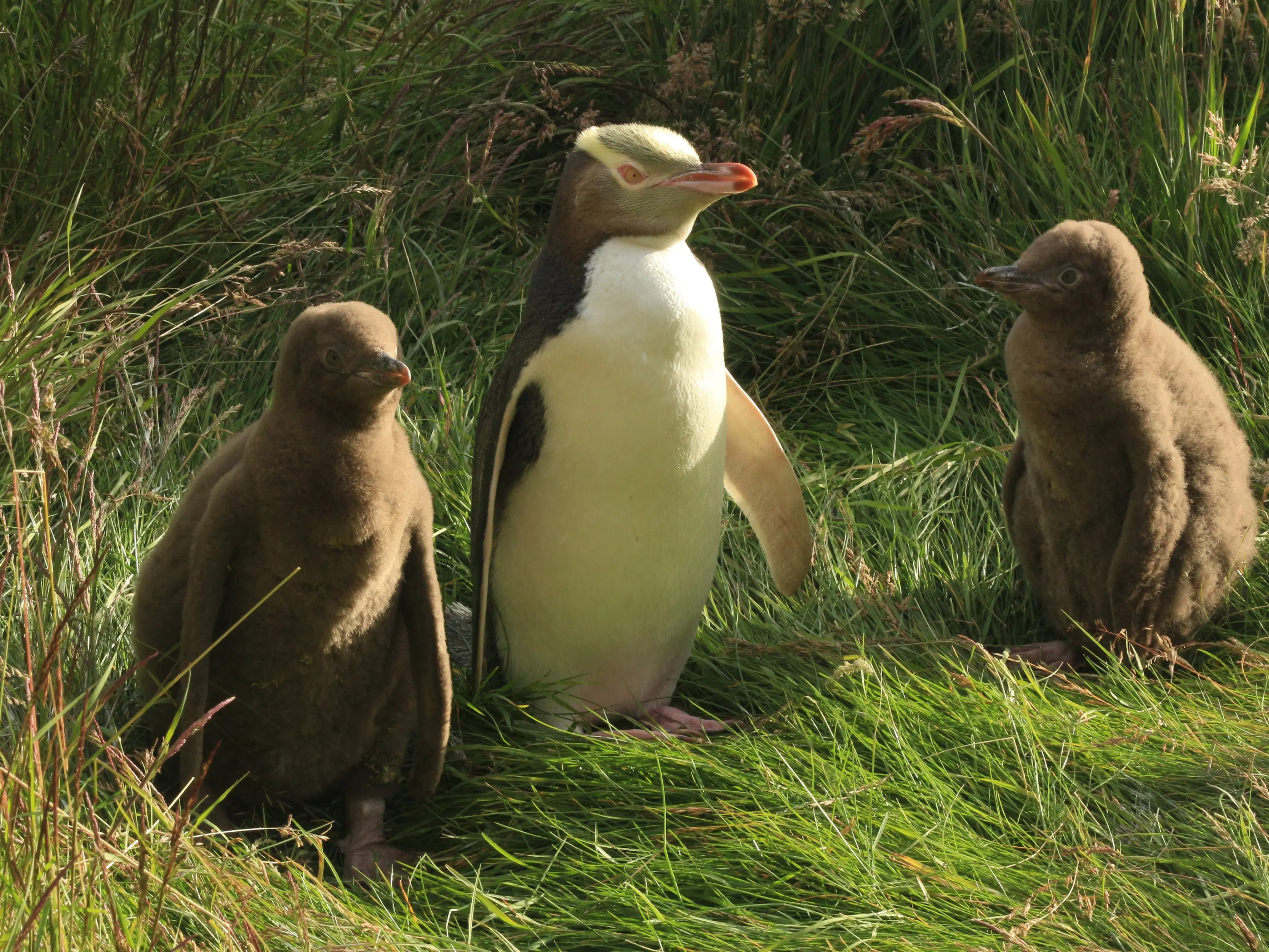
Attempts to conserve the hoiho/yellow-eyed penguin may have just reached a turning point, after landmark genomic research found the species is actually made up of three distinct subspecies.
Senior author and University of Otago microbiology and immunology researcher Prof Jemma Geoghegan said the discovery may help conservationists guard against respiratory distress syndrome — a lethal condition linked to a gyrovirus, identified by her research group in 2023.
At present, there are fewer than 150 breeding pairs remaining, and Dunedin Wildlife Hospital veterinarian Lisa Argilla said extinction of the New Zealand mainland population was "an imminent threat".
Prof Geoghegan said researchers used whole-genome sequencing of about 250 penguins from across the New Zealand mainland and the subantarctic Enderby and Campbell Islands, and found deep genetic divisions in each location, consistent with three subspecies.
Comparing these genomes with ancient DNA from two extinct subspecies showed the three lineages diverged between 5000 and 16,000 years ago.
Lead author and University of Otago postdoctoral research fellow Joseph Guhlin said with support from Genomics Aotearoa, they had been able to build shared tools and knowledge to help them understand where the species came from, and how best to protect them.
The same advanced computational tools and workflows were previously developed for the Kākāpō Recovery Project, he said.

Prof Geoghegan said the discovery was "a turning point for hoiho conservation".
"Each group has a unique evolutionary legacy, specifically adapted to its environment, and without swift, targeted action, we could lose one forever."
She said by combining population genomics and genome-wide association studies, the latest research identified candidate genes involved in immune and respiratory function, and offered insight into why the respiratory disease affected mainland chicks, but not their subantarctic relatives.
Otago Peninsula Eco Restoration Alliance (Opera) wildlife head and University of Otago postdoctoral fellow Janelle Wierenga said the results suggested genetic differences in immune or respiratory pathways may make the northern subspecies more susceptible to infection.
"Understanding these differences is essential to halting further decline."
Doc ranger Dr Mel Young said in partnership with Ngāi Tahu, the study’s findings would guide conservation policy and the development of subspecies-specific management strategies.
"Recognising three subspecies acknowledges the cultural and biological diversity within hoiho, and ensures conservation efforts that are tailored for each population."