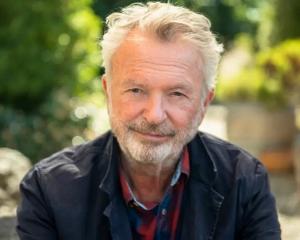
University of Otago paediatric endocrinologists Prof Ben Wheeler and Associate Prof Martin de Bock were awarded the HRC Beaven Medal for their collective research and collaborations with industry, that directly drove the nationwide adoption of automated insulin delivery and continuous glucose monitoring for people with type-1 diabetes.
The landmark achievement was confirmed in October 2024, when Pharmac announced full funding of the technologies for all New Zealanders with type-1 diabetes, making it the gold standard globally for treating the condition.
Prof Wheeler said in many New Zealand clinics, more than 90% of children with type-1 diabetes were now using automated insulin delivery pumps, vastly improving their quality of life and long-term health outcomes.
"Our team now has ongoing work trying to achieve this same goal for all New Zealanders living with type-1 diabetes, regardless of age or region.

University of Otago (Christchurch) Genetics Otago Research Centre co-director Prof Logan Walker was awarded the council’s prestigious Liley Medal for his work integrating complex RNA splicing biology into practical clinical recommendations that are now being used by major diagnostic laboratories around the globe.
RNA splicing occurs during gene transcription, and improves the accuracy of diagnostic tests for genetic disorders.
Prof Walker said the new framework for incorporating RNA splicing evidence into the clinic enabled laboratories to classify genetic variants with greater confidence, improve diagnostic rates and enable earlier clinical interventions.
"This will provide patients with a clearer answer as to whether they are at an increased risk of developing a disease or not, and help doctors make more informed recommendations around treatment

A new HRC Catalyst in the Community Award was presented to Te Rūnanga o Ōtākou Taurite Tū Ltd in Otago — a rūnaka-based, kaupapa Māori research unit led by pioneering Māori physiotherapist and researcher Katrina Pōtiki Bryant.
The research programme blends physiotherapy, mātauranga Māori movement practices, kaumātua engagement and public health expertise to significantly reduce falls risk and injury rates for Māori aged 55-plus.
University of Otago researchers have also received awards from the Royal Society Te Apārangi.
Prof Cliff Abraham received the prestigious Rutherford Medal for breakthrough advances in understanding the neural mechanisms of memory; and Helena Abolins-Thompson received Te Kōpūnui Māori Research Award for demonstrating how indigenous worldviews and community collaboration can enhance molecular biology studies, ensuring ethical, culturally responsive and equitable representation