
PHOTO
Otago and Southland are not likely to see much of the $50 million boost to public cardiac surgery announced yesterday because the region's heart surgery rates are well ahead of the rest of the country.
A report released by Health Minister David Cunliffe yesterday confirmed the southern region as the only public cardiac service which is delivering heart surgery at a rate considered on par with the United Kingdom.
Mr Cunliffe wants to see all boards delivering surgery at that level, at least, and a system which ensures patients with the greatest need and ability to benefit receive their surgery consistently no matter where they live.
The United Kingdom rates are 37% higher than New Zealand's overall rate, while Australia is 85% higher.
Surgery intervention rates for the last six years show Otago (which caters for Otago and Southland) has consistently provided a service significantly higher than the national average.
Provisional figures for last financial year show the rate of intervention per 100,000 of the population aged 15 and over was 73 in Otago/Southland, compared with the national rate of 54.
None of the other four centres offering cardiac surgery has rates above 56 per 100,000 and Waikato's rate is 43.
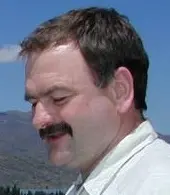
Otago District Health Board chief medical officer Richard Bunton, who is a cardiac surgeon and was a member of the working group which prepared the cardiac surgery services report for Mr Cunliffe, praised the hard work and dedication of his staff.
It was difficult to know why Otago was performing better without knowing the specific detail of how the other centres worked, he said.
In the early days of cardiac surgery in Dunedin there had been a great emphasis on developing a robust public system, helped by the presence of the medical school.
In other centres there had been traditionally much more private surgery, whereas in Otago-Southland this had only developed in the last 10 or 15 years.
The fact Otago was previously considered over-funded for its population could have helped, but Mr Bunton pointed out Otago/Southland was still maintaining its lead even though funding was now population based.
The report said when Christchurch began cardiac surgery, after Otago, this left Otago with re-sources to provide surgery at a higher level.
Even at this level, however, there were still patients who would benefit from cardiac surgery who were not able to be treated publicly, the report said.
Mr Bunton said he did not expect Otago-Southland would see much of the $50 million, although it could get some contract work from other boards as part of the increased collaboration proposed by the Government.
Mr Cunliffe said the aim was for most patients to be seen in the cardiac service nearest to where they lived, but occasionally patients may have to go out of their area to be treated more quickly.
The spending of $50 million over four years was part of a major review of cardiac surgery service delivery designed to lift the rate by at least 25% in that time.
It appears other services will not lose funding as a result of the announcement as most of the money will come from the health budget's risk pool which allows money to be diverted to crucial areas.
The working group report said the most pressing resource issue was available nursing staff, recommending that a long-term strategy be introduced to improve recruitment, education and retention of nurses for cardiac surgery wards, intensive care units and theatres.
Mr Bunton said there had been issues about recruitment of specialist nurses for " quite some time".
For the past two years, the Otago and Southland boards were seeking such staff as part of their recruitment drive in the United Kingdom.
Otago, however, did not have the same difficulty as Auckland where more staff were attracted into the private sector.
While Otago fares well nationally in intervention rates, the report showed its waiting times had fluctuated over recent years.
In the last financial year, waiting times were above the national average of 98 days, as were Capital and Coast and Canterbury, although it is difficult to compare boards because patient data entry is not consistent.
This year the amount of surgery has been down mainly because of two 48-hour junior doctor stoppages, a lack of anaesthetists and the norovirus outbreak, but Mr Bunton said he expected this to be rectified by the end of the year.