
PHOTO
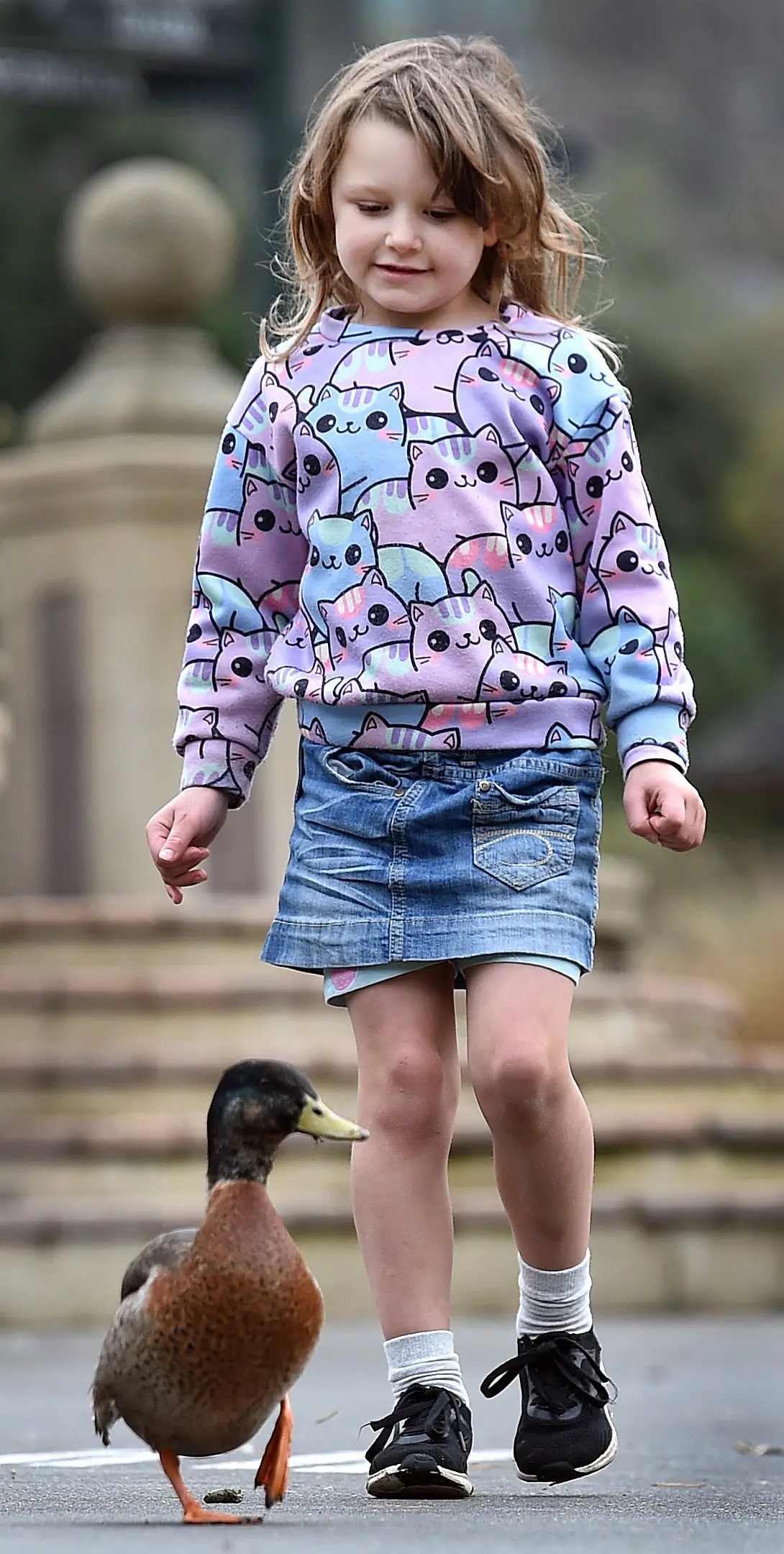
A halt on duck feeding has ruffled some feathers among Dunedin Botanic Garden visitors , but a bird flu expert calls it a ‘‘sensible’’ decision.
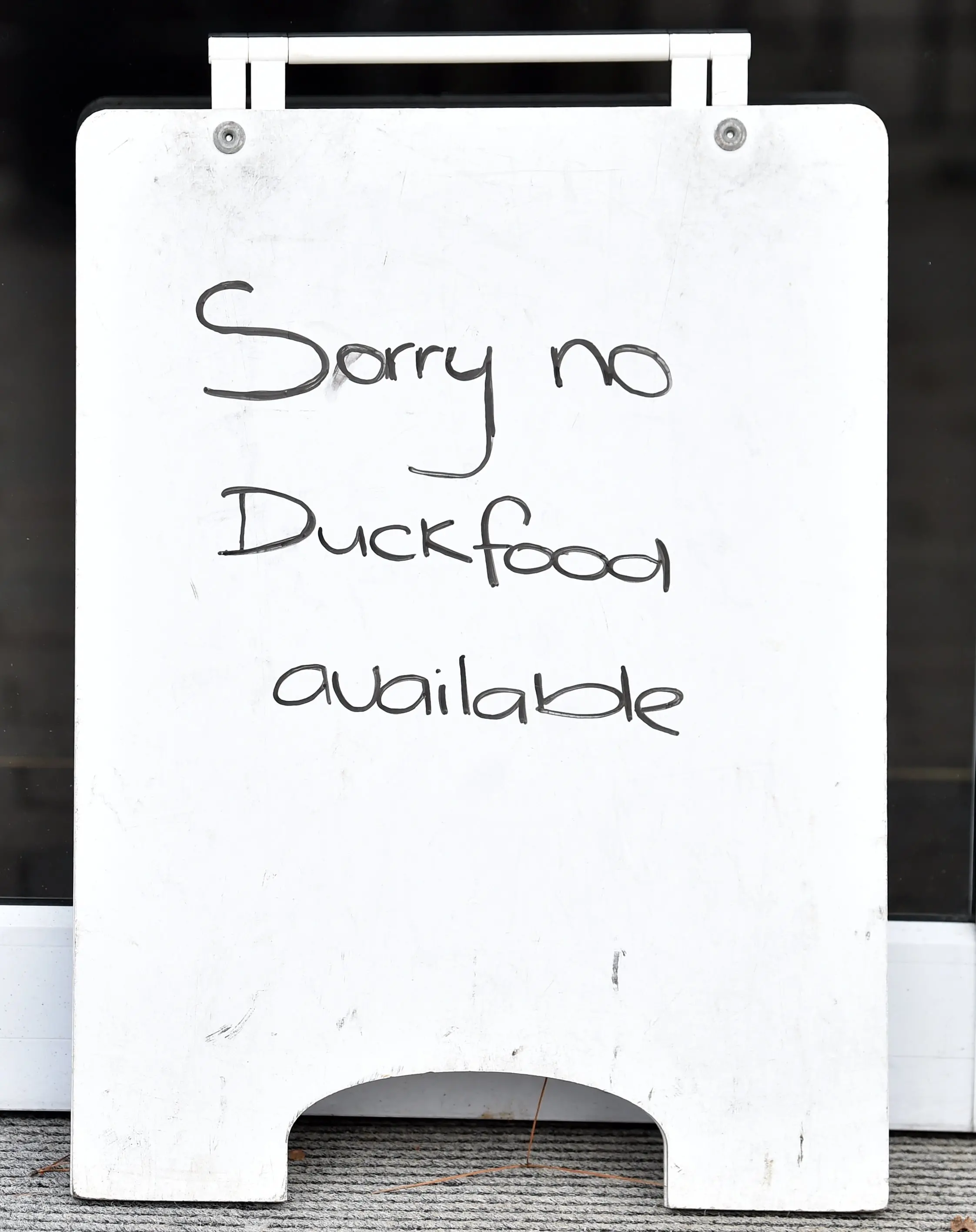
The Dunedin City Council said on social media that, as a precaution, the garden would cease duck feeding and no longer provide free duck food to visitors following confirmation of the H5N1 strain of bird flu in New Zealand this week.
The change would reduce direct interactions between people and wild birds, the council said.
A second case of the H5N1 strain was discovered in the Wairarapa yesterday.
Prof Jemma Geoghegan, of the University of Otago Faculty of Biomedical Sciences, agreed with the council’s measure.
‘‘I think it’s a sensible thing to do now that we know that H5N1 has been detected in New Zealand.’’
Wild aquatic birds, such as ducks and geese, were major reservoirs for influenza viruses, Prof Geoghegan said.
It was not yet known if the virus would establish itself in this country, but there was always the potential it could, as had happened overseas.
‘‘Reducing our contact with wild birds, like feeding them and things, is a sensible approach.’’
Ezra Robinson was with his two daughters, 5-year-old Kyra and 3-year-old Tilly, at the garden yesterday.
Birds were everywhere, Mr Robinson said. The change would make more sense if the virus had made its way to Dunedin, or if it started spreading rapidly.
It was perhaps premature, he said.
Sam Roberts was with his 8-year-old daughter Aylah.
If there was science behind the council’s move and it actually controlled the spread of bird flu, then he was ‘‘all for’’ the change, Mr Roberts said.
Jill Taylor said her grandchildren loved feeding both the ducks and the pigeons.
It was a ‘‘probably unnecessary decision at this stage’’, she said.
A council spokesperson said the decision was not an easy one to make.
‘‘We recognise that feeding the ducks has been a popular activity for generations of visitors.
‘‘However, reducing direct interaction between people and wild birds is a sensible precaution now that H5N1 has been detected in New Zealand.’’
The food previously provided by the garden was supplementary only, and the council did not expect the change to have any significant impact on the health or movement of wild birds within the garden.

It would continue to monitor advice from the Ministry for Primary Industries (MPI) and assess risks across the facilities it managed, including the botanic garden aviary.
‘‘The welfare of the aviary collection, along with the safety of visitors and staff, is a priority.
‘‘Any future decisions will be guided by animal welfare considerations, public safety requirements and advice from MPI.’’
The council’s advice to not feed birds was relevant to all birds at the botanic garden.
Ducks and other wild birds had ‘‘ample’’ sources of food in the garden and elsewhere, the spokesperson said.