

PHOTO
A streak of red lighting up the sky sent a Dunedin scientist to the North Island in search of a rare visitor from outer space.
The interstellar fireball illuminated skies from Kapiti to Masterton on July 28 before breaking apart. Many people reported sonic booms moments later.
The next task was finding it.
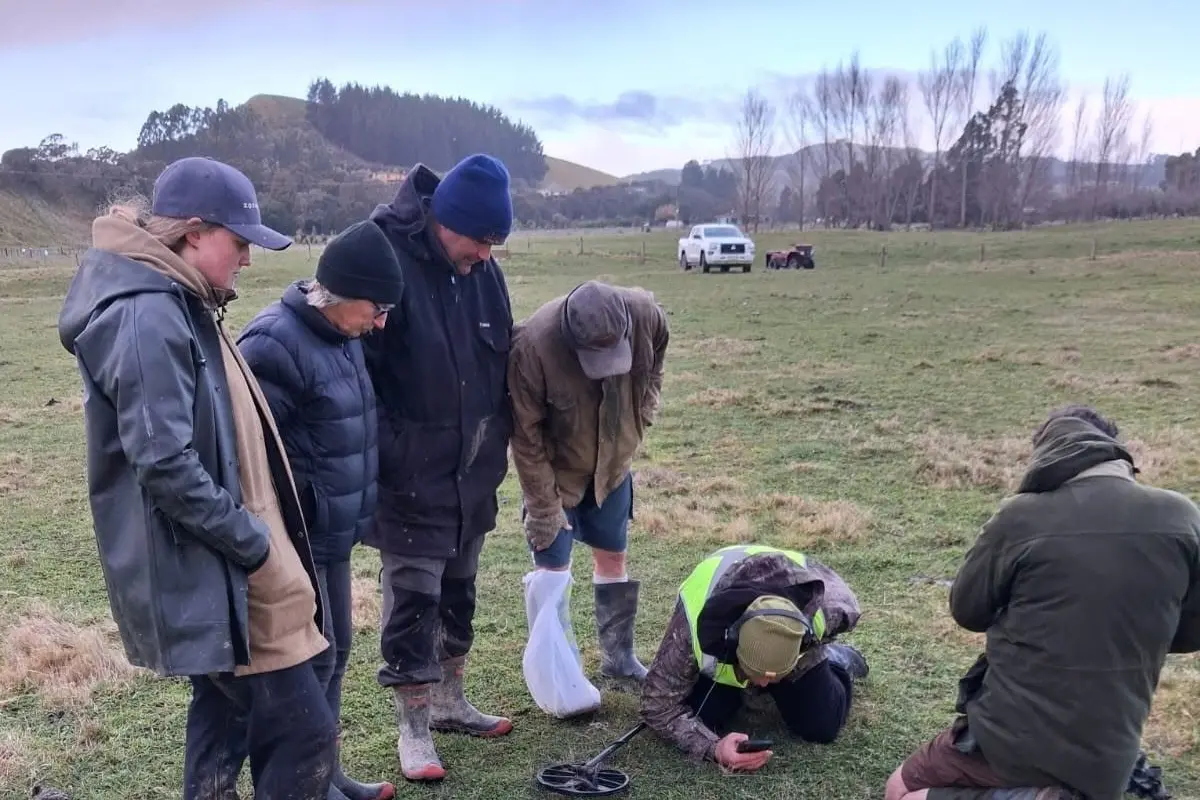
University of Otago geologist Dr Marshall Palmer was on Fireballs Aotearoa’s crack team of scientists tasked with searching for the 11th meteorite discovered in New Zealand.
Now, the remnants have found their way to Dunedin for analysis.
When trying to track the pieces of meteorites, Dr Palmer and the team reviewed camera footage which showed the fireball rock fragmented multiple times during entry to Earth.
“We were able to determine that it rained a bunch of debris over a wide area — of the order of 6km long by 2km wide — so the chances of finding any of those fragments is much, much higher than finding a single large rock.”
So far they have recovered six bits of rock, which together weigh about 70g.
The longer it took to find them, the more likely it was the small fragments would decay due to oxidation, get lost in the grass or get trodden by livestock.
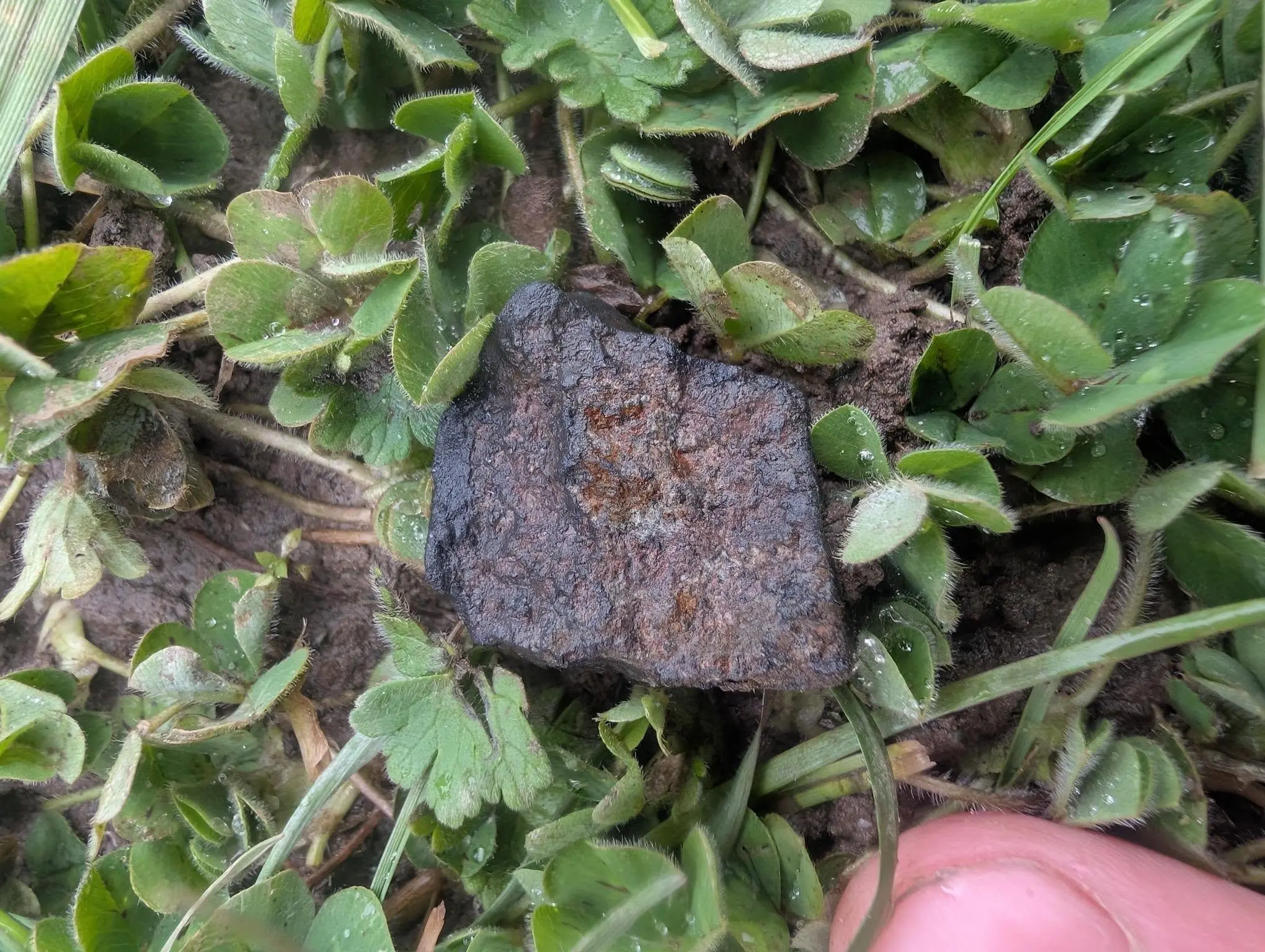
Dr Palmer said when identifying the meteorite, he looked for the fusion crust — a thin, glassy and usually dark outer crust formed from the melting of the outer surface during the fireball phase of the meteorite’s entry.
“It’s less than 1 mm thick and is characteristic of all meteorites.”
Due to the snowy and wet weather last week, he was surprised to discover the fragments had been adsorbing water.
“They have been recordably losing weight as they dry out … I didn’t know meteorites could be so porous.”
The pieces are being analysed and classified at the University of Otago, and some some portion of the meteorite will need to be held in an official meteorite repository.
Dr Palmer said the Otago Museum could hold the portion as they were made an official meteorite repository in 2024, but he said it would ne nice to see them on display in an institution closer to the find site.
“This is a citizen science project and as such we want people to be able to see with their own eyes some of the results of it.”
Fireballs Aotearoa is a network of volunteer scientists who use almost 200 cameras to record bright meteors, to calculate their paths, and to recover fresh meteorites from around New Zealand.