
PHOTO
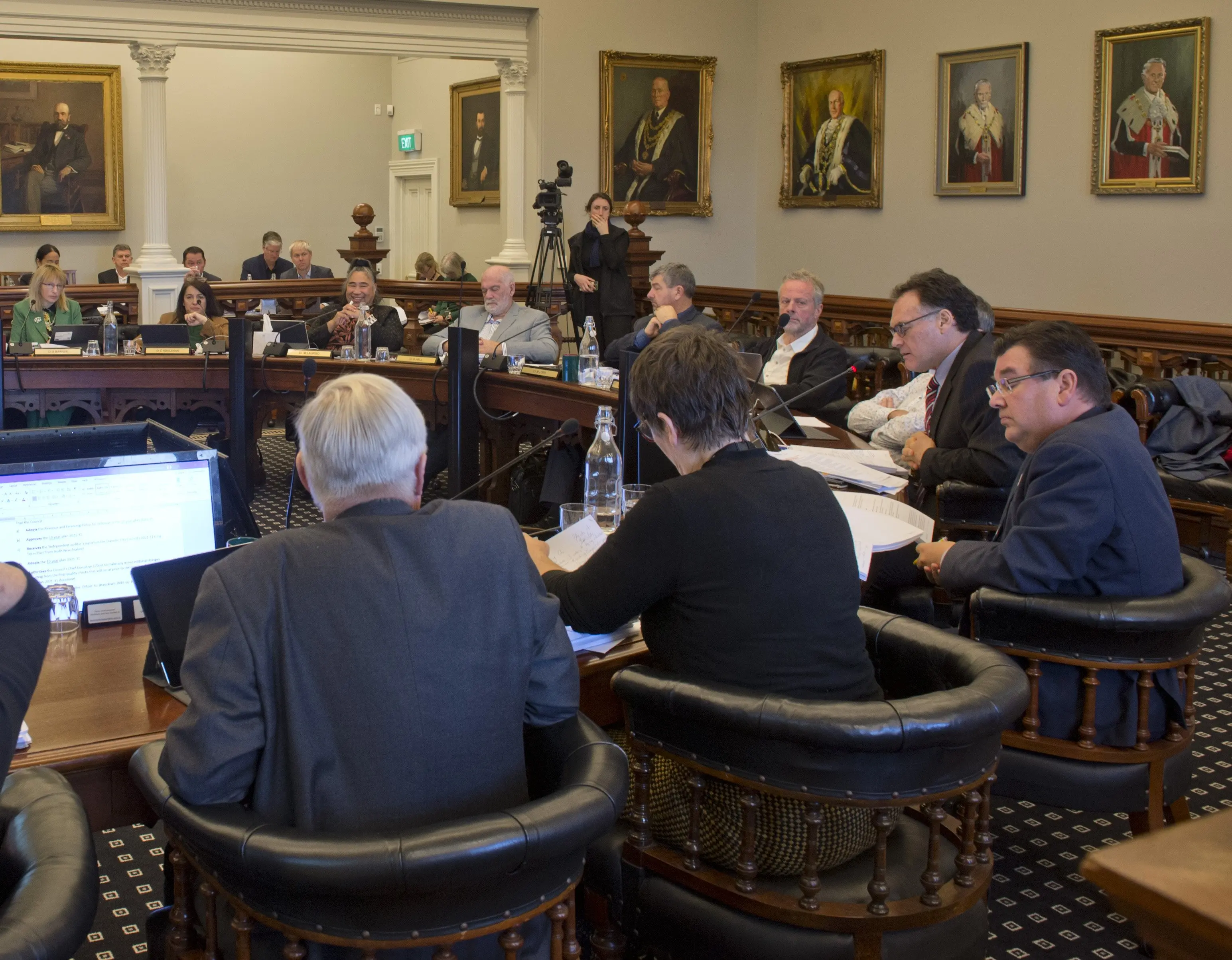
Dunedin is staying true to a confident vision and the city council has approved a 10-year plan that will help build a resilient city where people want to live, Mayor Aaron Hawkins says.
The mayor said he had been worried Covid-19 might damage Dunedin’s confidence, but the city had so far proved up to that challenge.
The council approved a total rates increase of 9.8% for 2021-22.
Council debt is budgeted to triple in the next 10 years and much of it is to pay for roading and increased capital spending for water, wastewater and stormwater systems.
Planned capital spending of $1.5billion in the 2021-31 plan compares with a budget of $878million that councillors had considered sufficient for the 2018-28 plan.
Cr Doug Hall said the council had to catch up on spending it should have undertaken in the past 10 years.
Cr Andrew Whiley said he was on the losing side of many votes about spending, but the 10-year budget reflected the priorities of councillors who residents had voted for.
He backed the infrastructure spend as part of the overall package.
"Infrastructure is the big winner in this budget,’’ he said.
Cr Steve Walker said the council had listened to community feedback.
It planned to build more housing units, it was replacing the Mosgiel Pool and creating the South Dunedin library and community centre, it was taking real action to ensure a "safer climate future’’ and it was pursuing the creation of better playgrounds and mountain bike parks, he said.
Veteran councillor Chris Staynes said it was the best 10-year plan he had been part of and a vast number of people had talked to the council.
"This plan reflects most of what those people were saying to us.’’
Key elements of the 10-year plan include a decision to subsidise community housing with rates, a rubbish and recycling collection revamp, a proposal to develop a performing arts venue and a transport package designed to offset traffic disruption associated with building of the new Dunedin Hospital.
The council also wants the city to achieve net carbon neutrality by 2030, excluding biogenic methane.
Cr Lee Vandervis said the 10-year-plan was fundamentally unsustainable.
"We can’t afford it, especially with the amount of debt we’re raising.’’
Cr Jules Radich called the transport package, which promoted such schemes as park-and-ride facilities and improved cycleways, "$50million of misguided stick-waving’’.
He has consistently called for the creation of a central city parking building as part of an alternative approach.
Cr Jim O’Malley said projected debt was not out of line with cities of Dunedin’s size.
Deputy mayor Christine Garey said the council had proposed a progressive plan and meeting challenges associated with climate change was at the heart of it.
Cr Rachel Elder said a 9.8% rates increase was a scary prospect for people on fixed incomes.
Ratepayers had access to some support, including a rates rebate scheme, she said.
Cr Mike Lord said councillors who spoke against the extent of the rates increase had not moved motions that would have significantly altered the increase.
Crs Carmen Houlahan, Vandervis and Radich voted against setting the rates for 2021-22.
They also voted against adopting the 10-year plan.
Cr Houlahan voted for approving the 10-year plan, but against adopting it.