
PHOTO
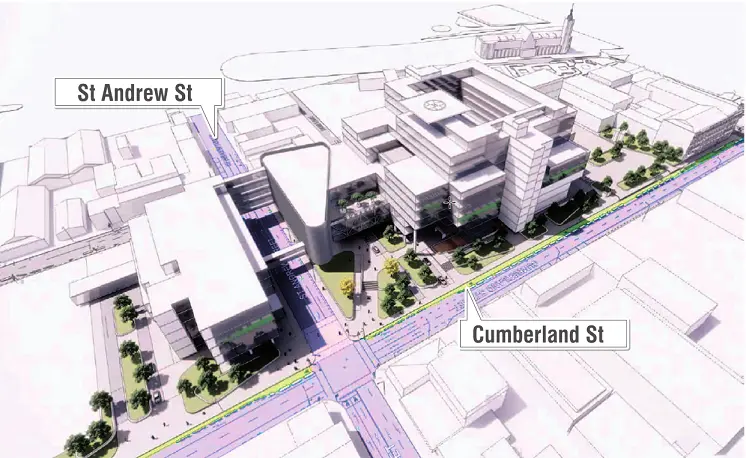
Only a fraction of the 250 parks on the new Dunedin Hospital site will be for public use — and it appears they will only be for drop-offs.
But a parking building next to the hospital appears to be part of the new hospital project team’s thinking.
The Ministry of Health this week said the "minimum" of 250 parks planned for on site would include parks for ambulances and other hospital vehicles, parks for clinical and other staff and drop-off parks for the public.
There are 184 car parks at Dunedin Hospital’s present site, but the detail of where the on-site parks will be at the new Dunedin Hospital site remains unclear.
A master business case for the hospital, due early next year, is expected to provide more detail.
In August, project chairman Pete Hodgson said parking under the main building on the former Cadbury site — a strategy favoured in a 2019 document — was now looking less likely because of geotechnical conditions.
A spokeswoman said parking was part of wider health precinct planning work under way and the new hospital’s project team was looking into "what opportunities may exist for the development of a public parking building adjacent to the hospital".
She said a public car parking building was not within the scope of the new hospital project, but the project team could look to "facilitate" opportunities with prospective developers.
That potential development would depend on the parking strategy the multi-agency Dunedin city centre traffic overhaul project team came up with.
That group, made up of representatives from the NZ Transport Agency and Dunedin City and Otago Regional councils, recently issued a summary of feedback on an online "engagement" exercise it undertook in June and July.
As part of the online exercise people were invited to pick a point on a map of central Dunedin and add their own ideas or respond to ideas the group and other members of the public had come up with for that particular spot.
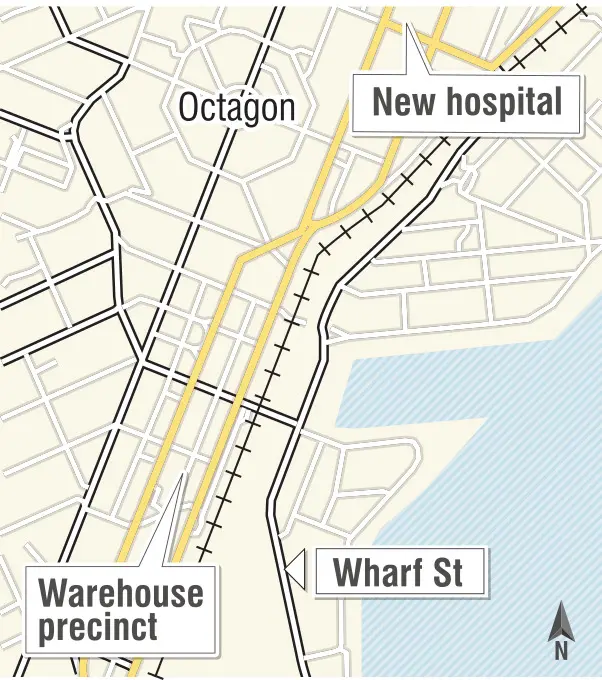
For example, in two areas, around Wharf St and in the Warehouse Precinct, the group suggested new off-street parking "facilities".
The idea was to provide all-day commuter parking at the edge of the central city within walking distance of places of work and important city-centre destinations, it said.
Parking in the Wharf St area, for example, could provide for the new hospital and city centre.
The Warehouse Precinct area could offer parking south of the city centre — because the majority of Dunedin’s commuters start their journeys from that direction — from where people could walk, ride or shuttle to work.
The most "liked"online idea of any proposed in relation to overhauling city centre traffic was the construction of a multi-storey car parking building people using the hospital could park in.
A parallel online survey done as part of the engagement drew 756 responses, which showed the hospital and parking were top of mind for many respondents.
Many expressed dissatisfaction with parking in the city centre at present.
Some said the hospital site was in the wrong place, and for many parking near the hospital was essential.
Some agencies bypassed the online methods and contributed full written submissions, including the Southern District Health Board, which called for a park ’n’ ride service to the hospital.
An NZTA spokeswoman confirmed that as a rule the agency did not pay for providing off-street parking, but park ’n’ ride facilities that helped reduce congestion on state highways had received co-funding.
One built in Christchurch, for example, that helped relieve congestion on the new Northern Corridor/Motorway by giving people somewhere to park their car and catch a bus (it had to be a public service not a private shuttle) or to park their car then join another driver for a carpooling ride into the city, had received some NZTA funding.
The funding assistance rate was usually about 50%, she said, but varied council area to council area.