
PHOTO
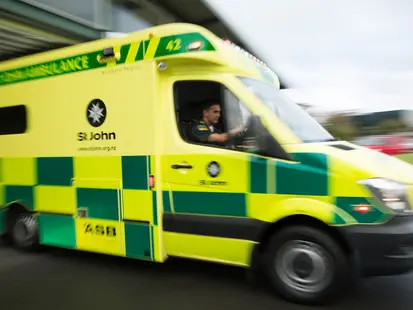
Dozens of people have relayed stories of ambulance delays, following an incident in which an elderly woman lay in a Green Island street in pain for an hour and a-half while waiting for an ambulance.
St John said the delay was because the Dunedin ambulance crew was attending other priority jobs, and a crew arrived as soon as it could.
Members of the public, including a passing doctor, were with the woman while she waited in pain after falling just after 11am on Monday.
Delays of an hour to three hours were cited in emails and posts by readers of the article, but yesterday St John said people could have faith in its service.
Cheryl Tapp said an ambulance took two and a-half hours to arrive when her elderly neighbour fell after a small crash last month.
The woman was bleeding from the back of her head and unable to be moved.
Mrs Tapp went to Green Island Family Health Care for help and a doctor and a nurse put pressure on the wound until the ambulance arrived, she said.
At one point it was suggested they take her to the hospital themselves, but the doctor advised the patient would be seen faster if she was brought in by an ambulance, Mrs Tapp said.
The doctor was unable to be reached for comment.
"This shouldn’t be left to the Good Samaritans and goodwill of doctors in the area to do," Mrs Tapp said.
Another man said that he waited more than an hour last year for an ambulance after his grandson broke his leg at a football game.
Karen Gray Currie said her husband waited three and a-half hours for an ambulance after he fell and hit his head last year.
"We were told they were busy with the drunk students in town. I could have lost my husband."
Dale Batchelor said he waited one and a-half hours while his partner lay bleeding on the floor.
The Otago Daily Times asked to talk to someone from St John about whether this was a new problem and about factors contributing to delays.
In an emailed statement attributed to St John Southland-Otago district operations manager Pauline Buchanan, she said Dunedin had four frontline ambulances working during the day and three at night.
If all other ambulances were committed to high priority incidents, an emergency call handler would make a welfare check with the waiting patient to establish whether there had been any change in their condition.
"In [the Green Island] incident, a welfare check was made on the patient’s condition at 11.44am and an ambulance dispatched at 12.06pm, taking her to Dunedin Hospital."
There were 35 full-time paid ambulance officers in Dunedin, and another 12 assigned to the rescue helicopter.
She recited a series of national figures, including that across New Zealand demand for ambulances increased 3% annually over the past five years.
Emergency staff were highly qualified and were supported by rescue helicopters, Prime (primary response in a medical emergencies) doctors and firefighters in life-threatening incidents.
"The public can have faith in St John Ambulance and the service we provide."
Southern District Health Board director of nursing medicine Jenny Hanson said a delay in arriving at the hospital emergency department might prolong discomfort and be upsetting for a patient and their family, but hospital staff could not make informed comment about the condition of patients until they arrived at the emergency department and were assessed.
Every patient, whether they walked into hospital, were brought by car, or arrived by ambulance was assessed and triaged by the triage nurse using the same set of Australasian triage guidelines.
"Ambulance patients are not given priority over others.
"Arriving by ambulance does not always indicate acuity."