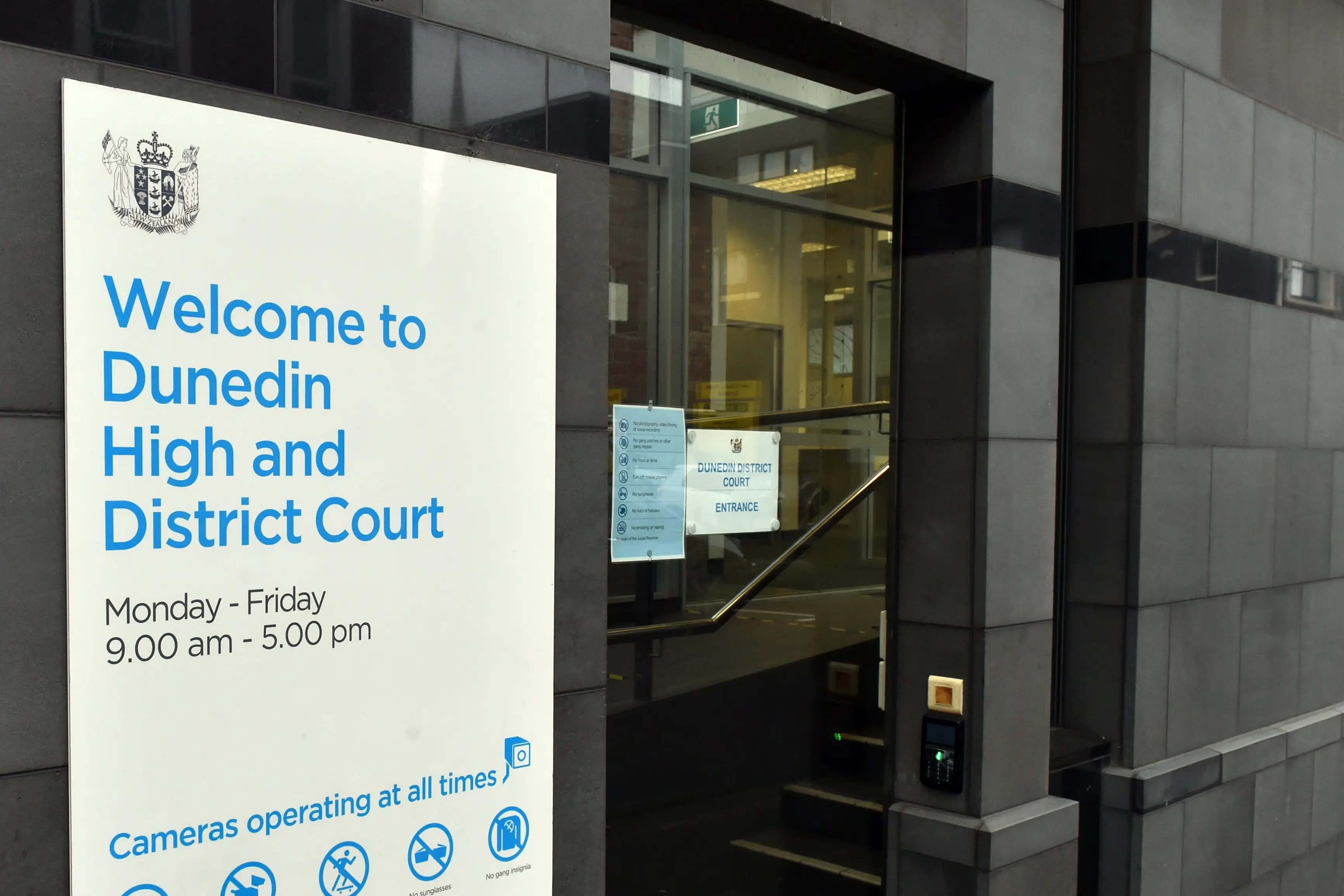
An ex-government employee who was caught with footage of the mosque shootings can never be named. At a hearing in the Dunedin District Court on Friday, Judge Hermann Retzlaff suppressed the defendant’s identity, as well as his occupation — orders that were not opposed by Crown prosecutor Mike Brownlie. The man, in his 40s, was found guilty of possessing an objectionable publication and breaching a protection order over two trials, and last month his application for a discharge without conviction was rejected. The defendant resigned from his state position after charges were laid and Mrs Stevens said he would struggle to find work in his new chosen profession with a criminal record. She also pointed to potential restrictions on travel, issues with insurance and drawbacks for the man’s parenting role. But Judge Retzlaff ruled the effects of a conviction were not out of all proportion to the seriousness of the crimes, sentencing the defendant to nine months’ supervision, along with 100 hours’ community work. The man was also originally accused of making an intimate visual recording but the Crown dropped that charge in December. It can now be revealed a costs award of $4152 was made in favour of the defendant, which was also unchallenged by the prosecution. The court at trial heard the man had an affair with the complainant which she ended in March 2023, subsequently obtaining a protection order in September that year. In January 2024, the defendant went to St Clair and passed the complainant in his vehicle as she sat at a cafe, shooting an “intimidating” glare her way. CCTV showed him pass the woman a second time as he was running along the Esplanade, and he later went surfing in her vicinity. Judge Retzlaff determined it was an ‘‘intentional’’ decision and therefore a breach of the protection order. In a statement, the complainant said her dealings with the defendant had turned her into an “anxious, depressed and withdrawn young woman”. At an earlier trial, the man was also found guilty of possessing footage of the Christchurch mosque shootings. The court heard he had emailed the video from his work phone to his personal phone and the file was later found in his photo gallery among images of his family. Despite last month indicating he was considering refusing permanent suppression orders and emphasising the strong public-interest factors, Judge Retzlaff said the evidence was “clear”. Naming the defendant would cause him extreme hardship, because of the effect on his work and the flow-on consequences for his wife and children, he said. Also, the judge determined naming him would likely identify the complainant and cause her further stress. The pair had previously worked in the same field and the woman told the court she had received negative treatment from colleagues who remained close with the defendant. The impact on her career was something she was “still trying to repair”, she said. Judge Retzlaff stressed the defendant remained a low risk of future crimes. rob.kidd@odt.co.nz