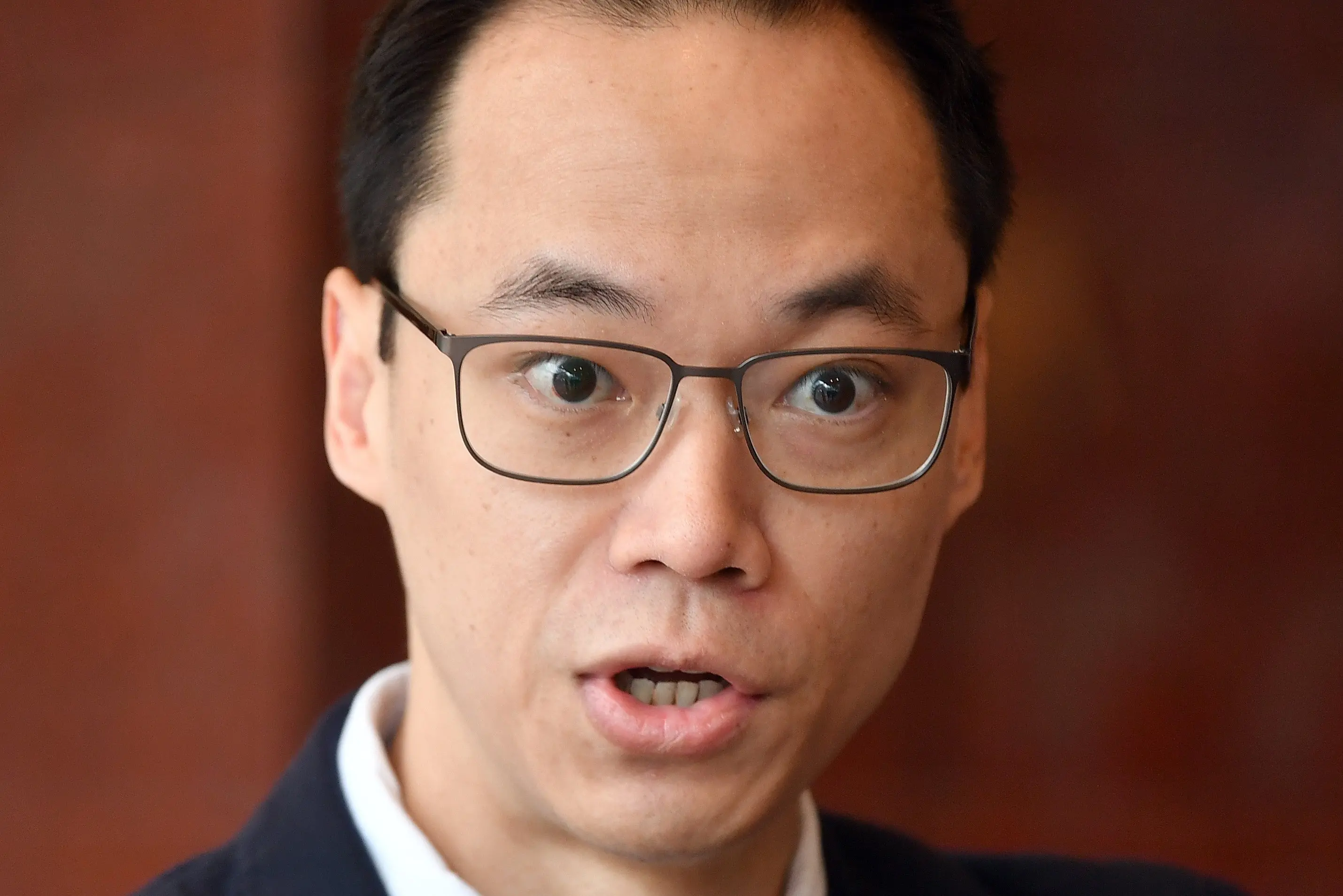
A controversial councillor set to miss out on influencing the future of the Dunedin City Council’s Waipori investment fund this month has labelled his exclusion “most convenient”. Cr Benedict Ong is unhappy the Waipori Fund’s policy settings are to be reviewed by the council’s finance and performance committee on August 27, rather than the full council, as he is suspended from committees. The decision to bring the item to the committee came after the council’s chief executive had indicated to Cr Ong last month he would be allowed to have input. Cr Ong said situation was inconvenient for him “and for our community’s money since there has long been a massive amount of foregone money from the Waipori Fund’s abysmal performance”, he said. It was “most convenient for those that have banned me deliberately and prevented me from asking questions and voting at the finance committee that I am banned from”. In May, Cr Ong was suspended from committees and subcommittees for nine months after he breached the council’s code of conduct by disclosing commercially sensitive information relating to a possible hotel development next to Forsyth Barr Stadium. He has had a series of behavioural issues since his election in October. The Waipori Fund is worth about $115 million. Dunedin Mayor Sophie Barker rejected Cr Ong’s characterisation of the fund’s performance, saying his opinion was “contrary to fact”. The fund had performed well against its benchmarks and within its investment policy and objectives, she said. Ms Barker said councillors were expected to uphold the code of conduct and adhere to meeting rules and statutory duties. “Cr Ong has had plenty of time and opportunities to reflect on his conduct, its effect on the business of council and his personal responsibility for his behaviour.” Last month, Cr Ong tried to submit a notice of motion about management of the fund, advocating — among other things — for the council to consider appointing Forsyth Barr. In her reply, council chief executive Sandy Graham noted the fund’s statement of investment policy and objectives was being rewritten — as was an investment plan. “When those items are next on the agenda, you will have an opportunity to present this suggestion to the directors,” she said. Late last year, the council asked Dunedin City Holdings Ltd to review the fund’s statement of investment policy and objectives and present options for council consideration “with different risk appetites along with expected returns, with a view to maximising return on investment”. In February, Cr Ong caused a stir at a council meeting when he tried to use the investment metaphor of a blindfolded monkey to question the Waipori Fund’s performance. Cr Lee Vandervis said at the meeting he would like to see a higher-risk profile adopted. He also defended the fund’s performance. Despite some of the settings imposed by the council, it had maintained its value and provided returns ‘‘that we have all been happy with . . . I think it’s been well managed and we need to celebrate the millions that we’ve had to spend from this fund on a regular basis’’, he said. The fund was set up after the council sold its 100% shareholding in Waipori Power Generation Ltd and United Electricity Ltd in 1998. In March this year, the fund was valued at $114.2m and on April 22 the value was about $116.4m. The investment was diversified across asset classes — 51% was in growth assets (equities and property) and 49% was invested in income assets (fixed-interest investments and short-term deposits or cash), the March quarter report said.