
PHOTO
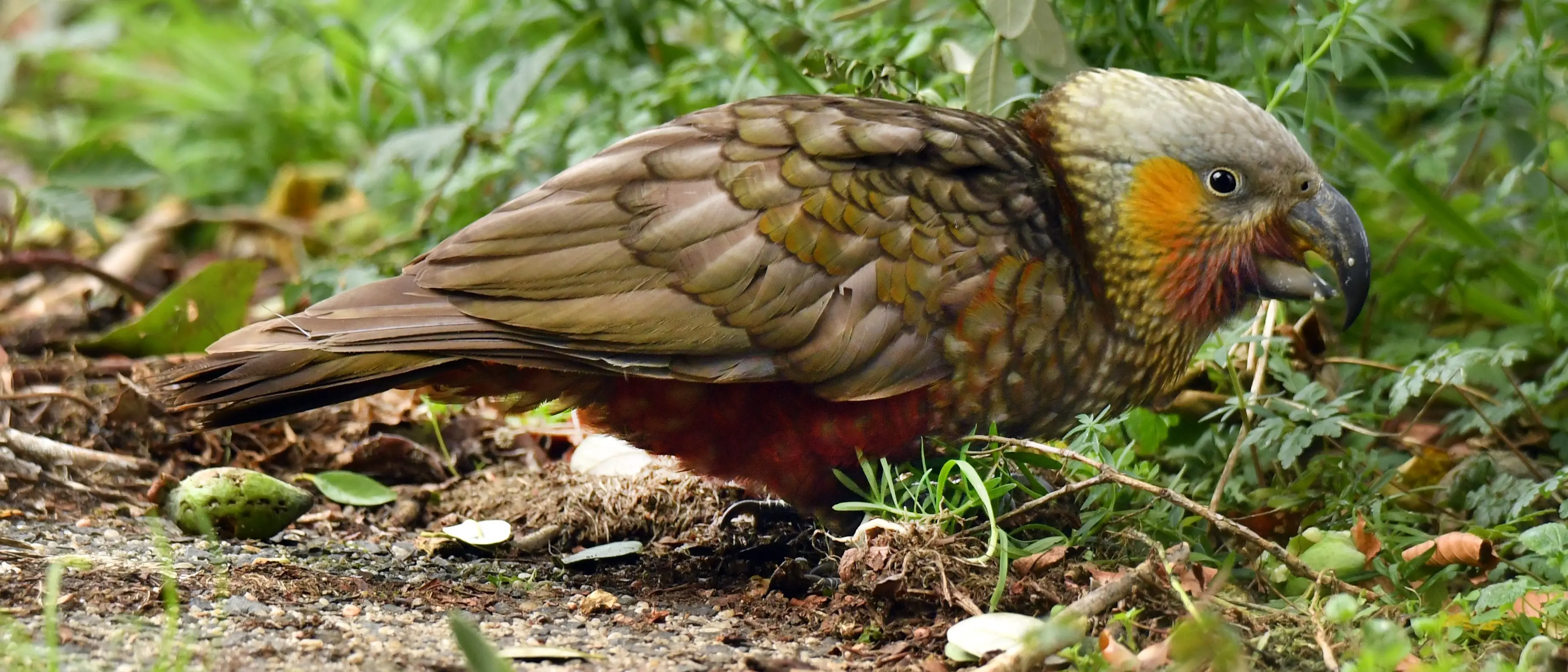
After being extinct in Dunedin for about 150 years, encounters with endangered kākā are becoming increasingly common across the city.
The noisy forest parrots were reintroduced to the Orokonui Ecosanctuary in 2008, and the local population had grown to the point that the birds were now leaving the sanctuary and populating parts of Dunedin.
An increasing number of residents have been reporting sightings of the birds in their backyards over the past year.
Orokonui operations manager Elton Smith said 22 wild-born kākā were banded at the sanctuary this season, and despite the numbers, it represented a big increase over the years.
It took Orokonui 16 years — from 2008 to 2024 — to band 100 wild-born kākā, and then in the two seasons since, they had banded nearly 40.
With many more young kākā around year-on-year, there was also a marked increase in kākā sightings in the sanctuary.
Staff and volunteers had noted a record 65 sightings of individuals in recent surveys within the sanctuary.
The total number in the Dunedin-wide population was likely much higher, especially as more kākā spent more time outside the fence.
One kākā has been in residence around the Dunedin Southern Cemetery since March last year, and other kākā have been recorded as semi-resident in Brighton, Waverley, The Cove, Mosgiel, and North East Valley.
Mr Smith released the first kākā back into the sanctuary in 2008, so to see their increasing presence around the city was especially meaningful for him, he said.
‘‘It’s been an incredibly rewarding journey to this point.
‘‘Even though we now see kākā every day, you still stop in your tracks when a large flock flies over the valley.
‘‘For kākā to truly thrive across Dunedin, there is only so much more we can do here at Orokonui.
‘‘It now comes down to how the community supports their new neighbours,’’ he said.
The sanctuary recommended residents avoid feeding kākā at home, because it could lead to bad behaviours, disease spread and malnutrition.
Instead, planting and protecting native trees was a great way to provide food, shelter, and nesting sites for kākā.
It was also recommended residents could help create a predator-free future by doing some backyard trapping, and restricting cats and dogs from wandering in forest areas, especially during kākā nesting season over the warmer months.