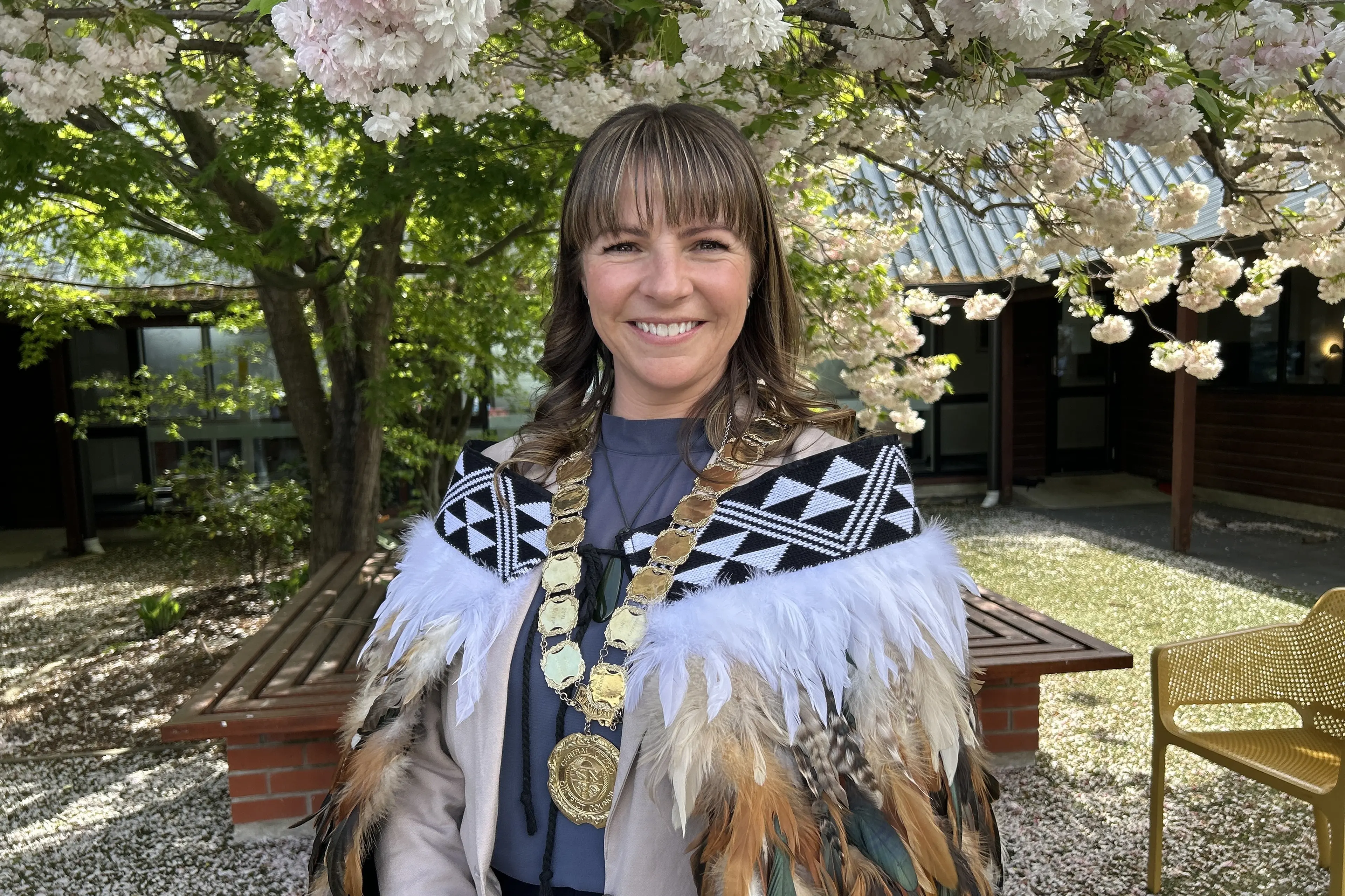
With merger proposals filed and the first hurdle in the local government amalgamation process cleared, Ruby Shaw asked Otago’s mayors what they made of the journey so far — including a suggestion, as one Dunedin city councillor put it, councils would likely need to “rebuild some broken relationships” down the track. Central Otago District Mayor Tamah Alley The government’s Head Start process and timeframe made for an “intense” three months and a steep learning curve, Mrs Alley said. She believed regional relationships had been tested, not broken, and Otago’s councils had approached the challenge “thoughtfully and in good faith”. “Otago’s councils are diverse in their geography, growth pressures, priorities and aspirations, and a one-size-fits-all answer was never guaranteed.” Responding to the significant scale of reform required substantial staff effort in addition to the Central Otago District Council’s core responsibilities, such as its long-term plan. Residents could be assured councils had engaged seriously with the task and put forward proposals they believed best reflected their communities’ interests. “As for what government makes of it, that’s ultimately a matter for them,” Mrs Alley said. “Our responsibility has been to present the strongest possible case for Central Otago, and we’ve done that.” Clutha District Mayor Jock Martin It was fair to say a few relationships were bruised through the process, but not necessarily damaged, Mr Martin said. “In rural Otago we tend to be resilient and adapt; right now, any time we have needs to be spent on sorting this process so we can give answers to our communities and council staff, who will all be potentially affected by the local government reforms.” The reform process so far, on top of business-as-usual work, had exhausted mayors and council staff time and resource, Mr Martin said. “How do you value the emotional cost of the impact to our communities and those involved also that have endured the past 90-day runway?” Councils had fulfilled their obligation by meeting Sunday’s deadline — they now had to “wait and see” what the government made of the proposals. “Everyone wants answers now; they want to know what their future holds as do many local government staff. It’s been an experience like the government are building the plane as we fly it with no passengers.” [Missing Credit]Clutha District Mayor Jock Martin. Photo: Supplied Waitaki District Mayor Mel Tavendale It had been heartening to see mayors across the country working to get the best outcomes for their communities, Mrs Tavendale said. Given the tight timeframe, it had been a challenge to work through the necessary relationship building and detail to a satisfactory level. “We are all advocating for our communities, but success looks different from different angles,” Mrs Tavendale said. “We all genuinely get on well; we are all professionals and will continue working together for the best outcomes for our communities.” Waitaki District Council’s work programme had come under a huge amount of pressure during the process. Concerns remained about the increased cost and resource required for future work, such as development of spatial plans in Otago and Canterbury, which needed to be worked through in detailed design. “This needs to be meaningful change in the way we operate, not just a bolting together of councils.” Each of Otago’s councils, including Waitaki, had made what they believed to be the best decision for their communities, Mrs Tavendale said. “The ultimate decision sits with government. Based on the process to date, it is very hard to pre-empt the outcome.” [Missing Credit]Waitaki District Mayor Mel Tavendale. Photo: ODT Filed Dunedin Mayor Sophie Barker There was much work still to be done, Ms Barker said. The process so far had “obviously” been a challenging one, not least because of the tight timeframes imposed by central government, she said. “While I am a firm believer in the benefits of collaboration and shared services, we need to pursue these opportunities while protecting proportional representation and Dunedin’s financial future, alongside our environment and our relationship with mana whenua.” “I believe all of Otago’s councils have the best interests of their communities at heart, and it is understandable that conversations around these complicated issues can be challenging at times.” Councils were acting in good faith and Ms Barker was confident Otago Mayoral Forum members would continue to enjoy a positive and collaborative relationship, regardless of the Head Start process outcome. [Missing Credit]Dunedin Mayor Sophie Barker. Photo: Supplied Otago Regional Council chairwoman Hilary Calvert With the benefit of hindsight, better approaches to reform may have been available, Ms Calvert said. It may have been simpler for the government to have first determined what each council considered important to their people, then attemptto create unitary councils in response to those needs and the government’s wishes, she said. However, prolonging the first stage of reform would “just have been troubling for longer”, she said. “We are family in Otago. We share a port. We share a general approach to central government. We will make it work.” Ms Calvert expected amalgamation to occur regardless of any change in government — it was just a matter of time, she said. “Uncertainty for longer will not help those who are most affected.” [Missing Credit]Otago regional council chairwoman Hilary Calvert. Photo: Supplied Queenstown Lakes District Mayor John Glover did not respond to questions by deadline. [Missing Credit][object Object] ruby.shaw@odt.co.nz