
PHOTO
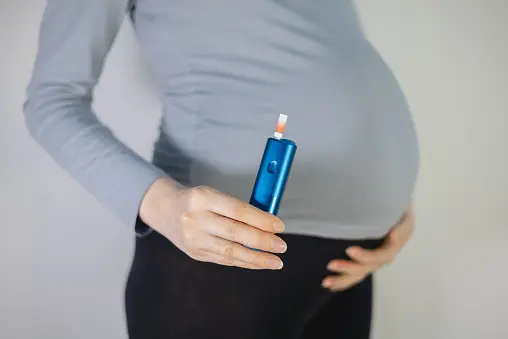
Vaping while pregnant - or even while sharing a bed with a baby - is emerging as a risk for death in infants.
A University of Auckland study has found vaping is showing similar risks as smoking, particularly when combined with sharing a bed with an infant.
Prof Ed Mitchell said vaping had been widely regarded as safer than smoking, even while pregnant or sharing a bed with an infant.
But the study "raises the possibility that the effects of nicotine itself, rather than how nicotine is delivered, may be contributing to infant vulnerability".
Research found smoking or vaping was reported in nearly three-quarters of a series of infant deaths from 2022 and 2023.
Out of 66 sudden infant deaths studied, close to 70% were sharing a bed with a parent who smoked or vaped.
Mitchell said the findings raised a fundamental question about current pregnancy advice.
"Vaping has been widely approached as a safer alternative to smoking and a smoking cessation aid, including in pregnancy.
"Our findings suggest we need to consider all nicotine exposure during pregnancy, particularly when it is combined with bed sharing."
He said when the consequence could be death, precautions should be taken.
Researchers called for public health messaging around vaping during pregnancy to be reassessed.
Several experts supported the study's findings and precautionary approach.
Dr Gergely Toldi from Starship Newborn Services said the increasing proportions of Māori and Pacific infants affected call for urgent, culturally appropriate communication of health advice and safety netting for whānau.
"I welcome the suggestion that complete nicotine cessation should be encouraged in NZ during pregnancy, breastfeeding and in households with a small pēpi less than one year of age instead of recommending vaping as an acceptable alternative," Toldi said.
Research associate professor Andrew Waa said government policies were needed to protect families from using cigarettes and vapes, rather than making them more available.
"Traditionally we have had success supporting mothers to quit smoking while pregnant but relapse after birth has always been a challenge, particularly if other family members continue to smoke."
Waa said the study showed that we must be precautionary and protect babies from exposure to nicotine.
