
PHOTO
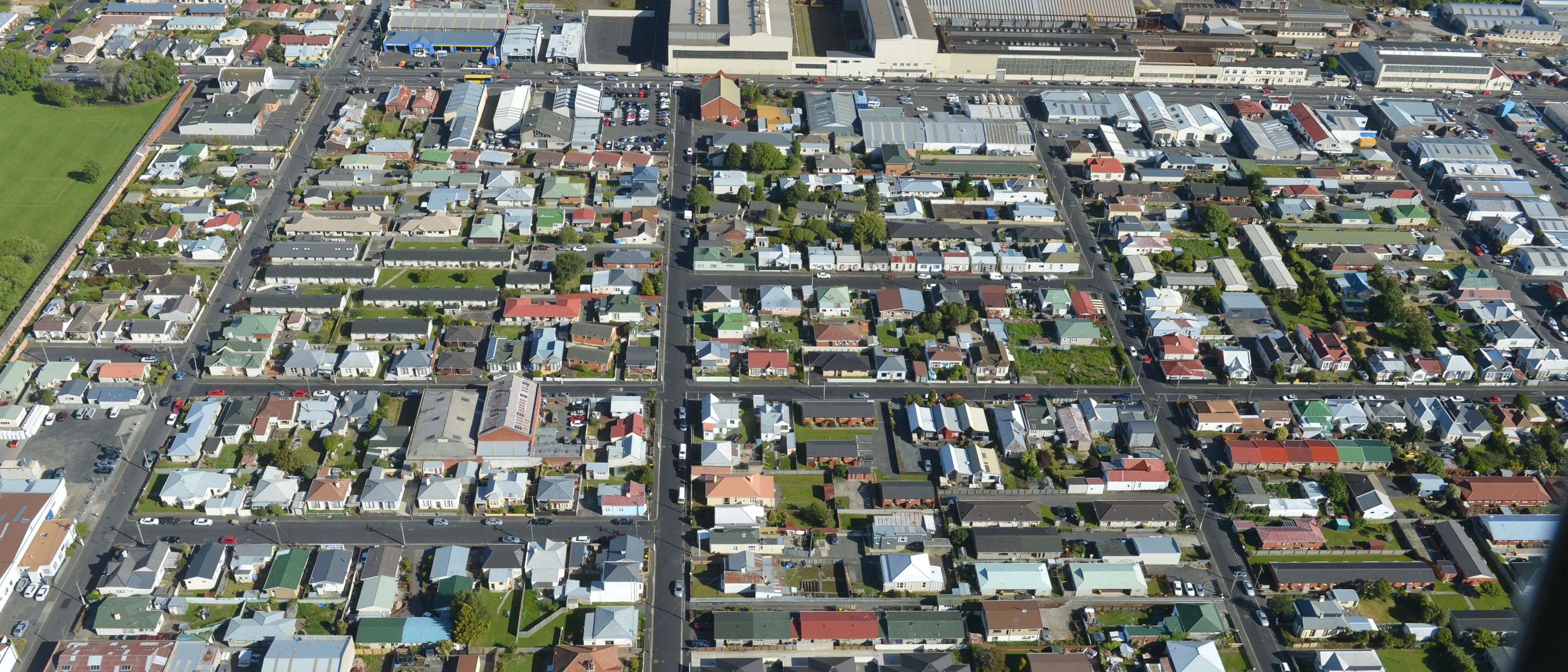
Projections properties in South Dunedin and other low-lying areas will be uninsurable in five years are "highly, highly improbable", the Insurance Council of New Zealand says.
However, the eventual effect of sea level rise on insurance is "certain".
Insurance council chief executive Tim Grafton yesterday provided further comment on climate change predictions made by political scientist Jim Flynn at a Dunedin City Council public forum on Monday.

Prof Flynn, of the University of Otago, said huge erosion of polar ice that had begun in 2014 meant predictions on the rate of climate change had changed, and areas like South Dunedin would be uninhabitable in 17 years, and unable to be insured in five.
Mr Grafton said yesterday the insurance council had not seen the evidence from Prof Flynn, but it was widely accepted projections for sea level rise were between 28cm and 98cm by the end of the century.
"Insurers have ongoing awareness of South Dunedin, including the June 2015 flood, the concerns about rising ground water and the impact of sea level rise, and evaluate these sorts of risks throughout the country."
They set their premiums and terms based on the estimated risk level for the coming insurance period. Sea level rise and rising ground water were unlikely to influence those now, but may progressively increase over time.
Any insurance impact would vary from property to property, depending on the degree of exposure and risk.
Each insurer would respond differently, he said.
Prof Flynn appeared to be using his figures on sea level rise to predict when insurance would not be available, Mr Grafton said.
"What we’re saying is that insurers, in terms of gauging their appetite for flood risk, will probably be more reliant on more widely accepted scientific projections.
"The suggestion there would be no insurance available in South Dunedin in five years I think is highly, highly improbable."
However, insurers were headed in a "grey but certain direction".
"The certain direction is the sea level will rise, the grey area is when the sea will rise sufficiently to cause flooding of such a frequency that causes damage so frequently insurers will start responding to how much risk they want to take on, and how they want to price that risk if they do want to take it on."
Storm events, inundation and king tides would create problems as the sea level rise increased.
In the future, it would become ‘‘more and more evident’’ what the scale of damage was, and when insurers would respond.
"We are just dealing with risk, and we know there is an absolute certainty about that risk."