
PHOTO
The arrival of the highly pathogenic avian influenza H5N1 on New Zealand’s shores means increased vigilance for the team at Dunedin Wildlife Hospital, although it remains business as usual.
Wildlife Hospital general manager Suzanne Stephenson said the hospital had robust quarantine and infection control procedures in place and would implement these whenever required to protect patients, staff and native wildlife.
As of Tuesday, two cases of H5 bird flu have been detected in the North Island, leading to increased biosecurity concerns across the country about wild and domestic birds, as well as the potential for it to spread to sea lions and seals.
There has been no detection in poultry and at this stage there is no evidence of any mass mortality in wildlife.
Ms Stephenson said people who contacted the Wildlife Hospital about a sick or injured bird would be asked more questions than usual, to help determine the safest way to proceed.
“However, our key message to the public is to keep reporting sightings of sick or grounded birds to us as normal,” she said.
“Please don’t panic or leave sick or injured wildlife without help.”
However, people should not touch sick birds, keep pets away from the area and practise good hygiene.
Anyone who encounters three or more sick or dead wild birds in the same location, or suspects avian influenza, are urged to use GPS on their phone to track the location and report them to the Biosecurity New Zealand exotic pest and disease hotline 0800 80 99 66.
The Otago Regional Council has a preparedness plan which will activate if a case is detected in the region.
The plan also supports councils across the region to prepare for and respond to occurrences of H5 bird flu.
Council portfolio lead Cr Andrew Noone said “we have had some time to think about the best way to prepare for this, but this doesn’t mean bird flu arriving in Otago won’t be concerning for us all, especially as it may significantly impact upon our native species and on the poultry industry.”
“We couldn’t prevent wild birds from bringing this virus here, but we can work together to limit its impact,” Cr Noone said.
Ms Stephenson, who took over as Dunedin Wildlife Hospital general manager in January, said the arrival of the H5 bird flu in New Zealand had come after a very busy summer season for the hospital, which cares for an average of 650 birds and animals each year.
“For someone like myself, who did not previously have a lot of understanding of New Zealand’s many native species, it has been fascinating,” she said.
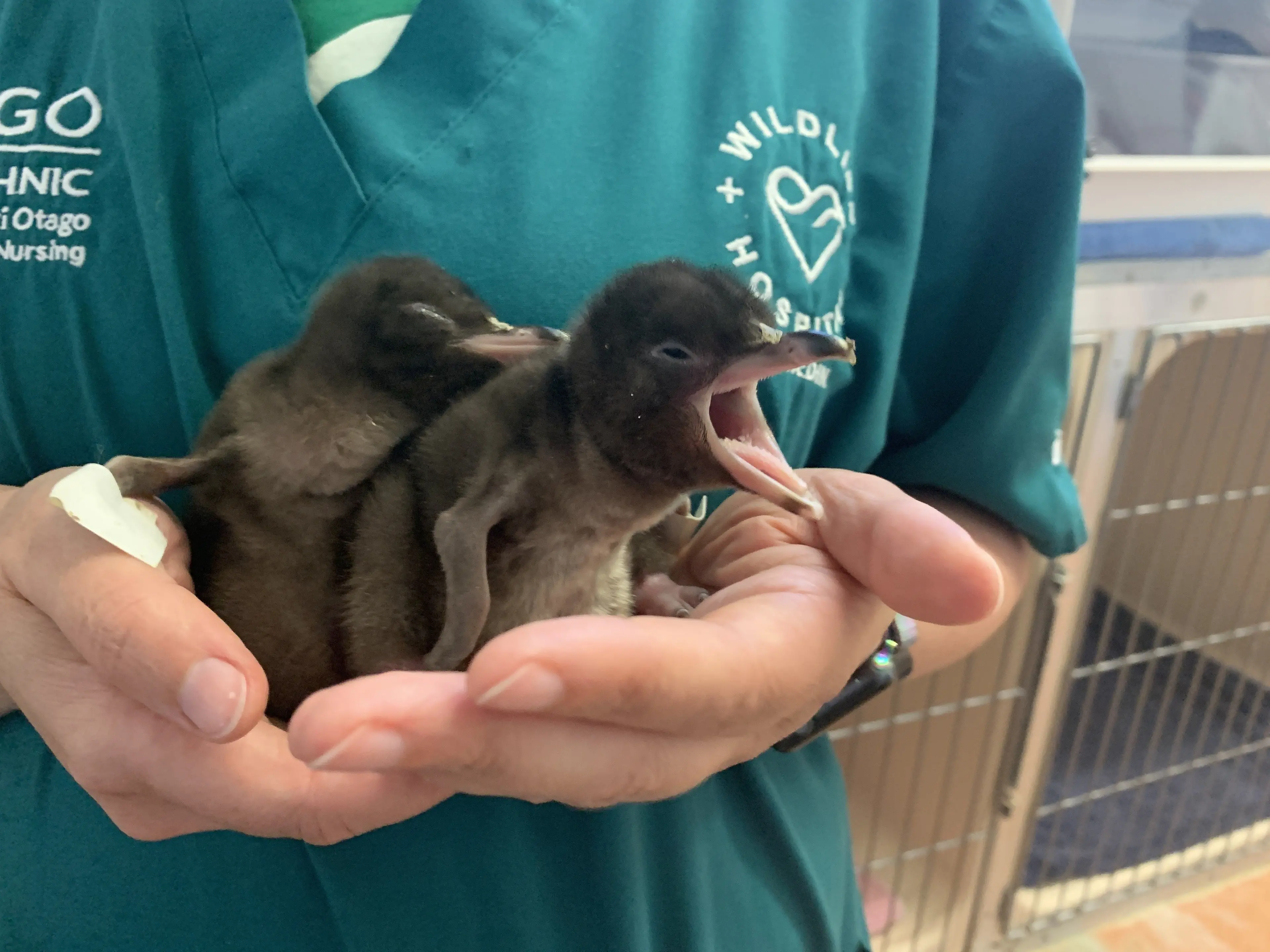
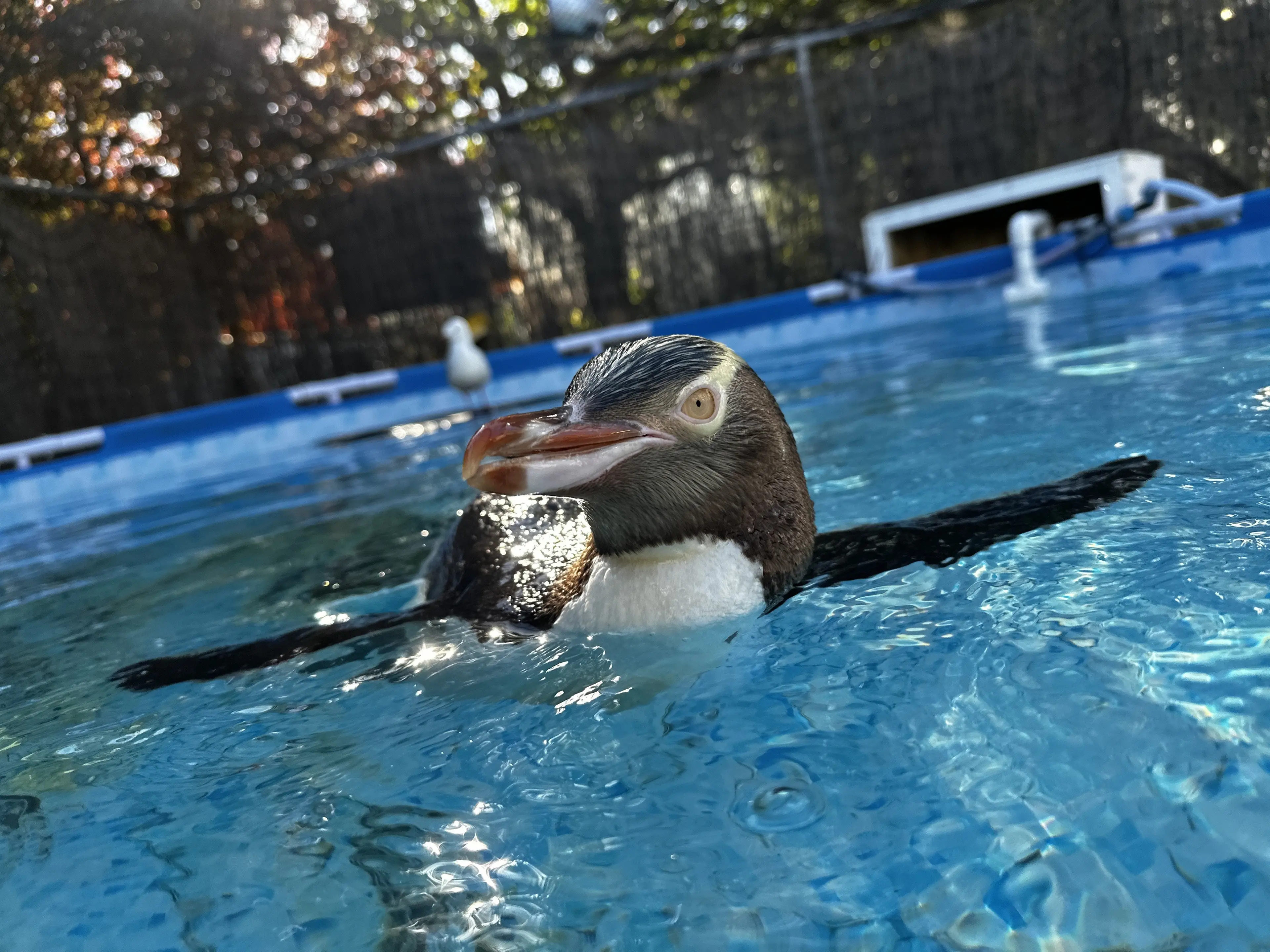
The year began with Wildlife Hospital staff being joined by veterinarians from across New Zealand and Australia to help hand rear dozens of hoiho (yellow-eyed penguin) and kākāpō chicks.
“These wonderful people are so dedicated that the are giving up their annual leave and paying for their own flights to comed to Dunedin and help.
“Watching them feeding all of those tiny chicks is amazing.”
On any given day, the expert team, led by wildlife veterinarian Dr Lisa Argilla, could swing into action to care for an extraordinary range of species.
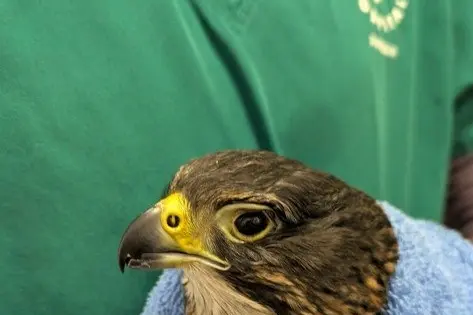
A star patient at the hospital in recent months had been an injured kārearea — New Zealand falcon, which had suffered damage to his eye and needed months of care.
Named “McGregor” by popular vote, the kārearea was now settled in the care of the Kārearea Falcon Trust in Marlborough, where it was hoped he would join the breeding programme.
What to do about H5 bird flu
H5 bird flu is a highly contagious viral disease that can affect many species of wild birds, particularly seabirds, waterbirds, shorebirds and raptors as well as marine mammals (seals and sea lions).
If you find three or more sick or dead birds or mammals, do not touch or handle them and keep children and pets away from the area.
If it is safe to do so, note the location (GPS if feasible) and if possible, take photographs of sick wildlife from a distance.
Report unusual illness or multiple sick or dead birds/marine mammals to Biosecurity New Zealand.