
PHOTO
The government is putting $100 million of Health NZ's (HNZ) frontline service funding into mental health support workers, training and inpatient beds.
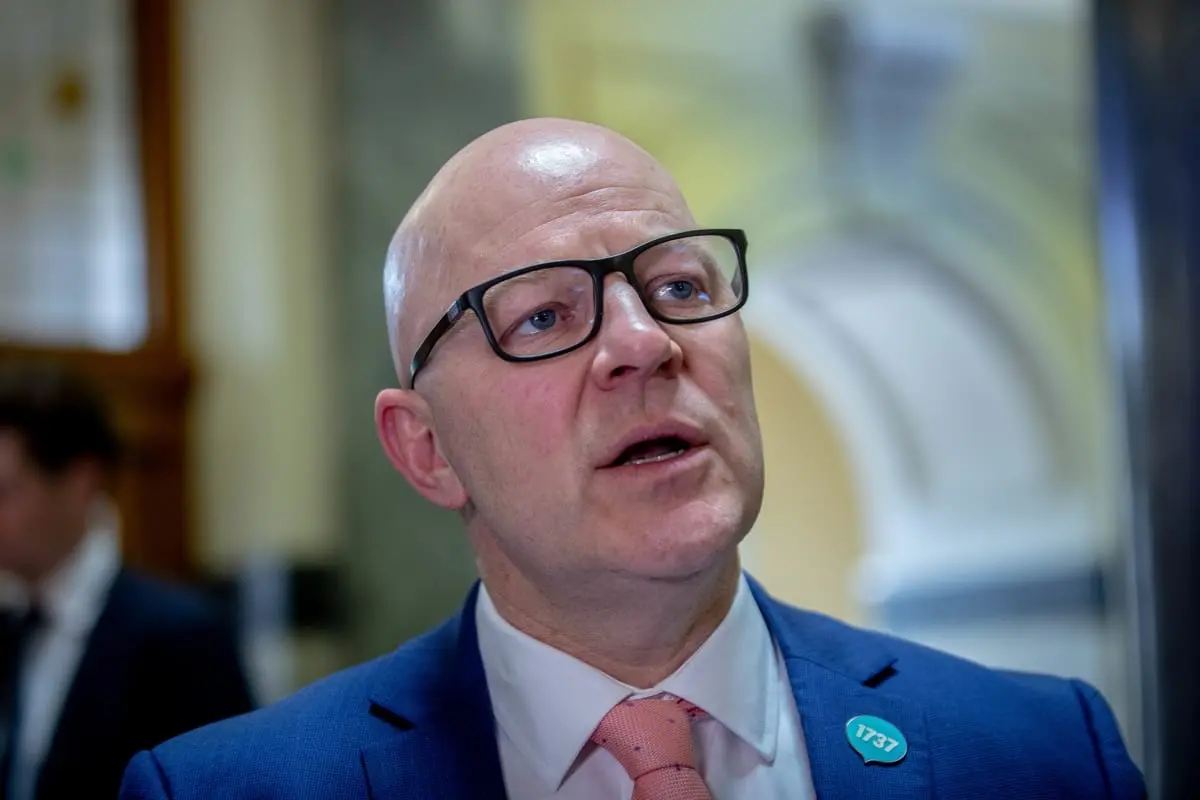
Mental Health Minister Matt Doocey announced the funding in Hastings this morning, saying it would deliver faster access to support, more frontline workers and a better crisis response.
"Budget 2026 will deliver faster access to maternal mental health support, more frontline psychology roles, and a better crisis response by opening up more beds."
The investment over four years included:
- $20.18m for maternal mental health support, including peer support workers with lived experience
- $$28.45m for 150 new psychology assistant roles over four years (max 50 a year) - the first time psychology assistant roles have been employed in HNZ
- $$51.72m for 20 new inpatient beds - with priority given to regions under the most pressure, and with the highest occupancy rates.
The money would come from a provision of $1.37 billion in this year's Budget for one year of HNZ's frontline services.
Doocey said the government was also establishing a $1m per year fund that non-governmental organisations (NGOs) could access to help increase support in their communities.
"Government doesn't always know best. Communities often know what works for them and simply need the opportunity to put those solutions into action."
The new psychology assistant roles would double the number of clinical psychologists trained, and create a new registration pathway so these graduates could remain focused on mental health, he said.
Chief executive of Te Hiringa Mahara, the Mental Health and Wellbeing Commission, Karen Orsborn, said they were pleased to see investment in services, but it was yet to target the drivers of rising rates of psychological distress.
"The government's $51.72 million investment in 20 new inpatient mental health beds makes sense only as part of a wider system of care."
Earlier investment was needed to address people's wellbeing long before they reached crisis point, including joined-up services available close to home.
"It also means backing the mental health workforce," Osborn said. "More beds will only make a difference if there are enough trained staff to support people safely and well."
This story was first published on rnz.co.nz |  |