
PHOTO
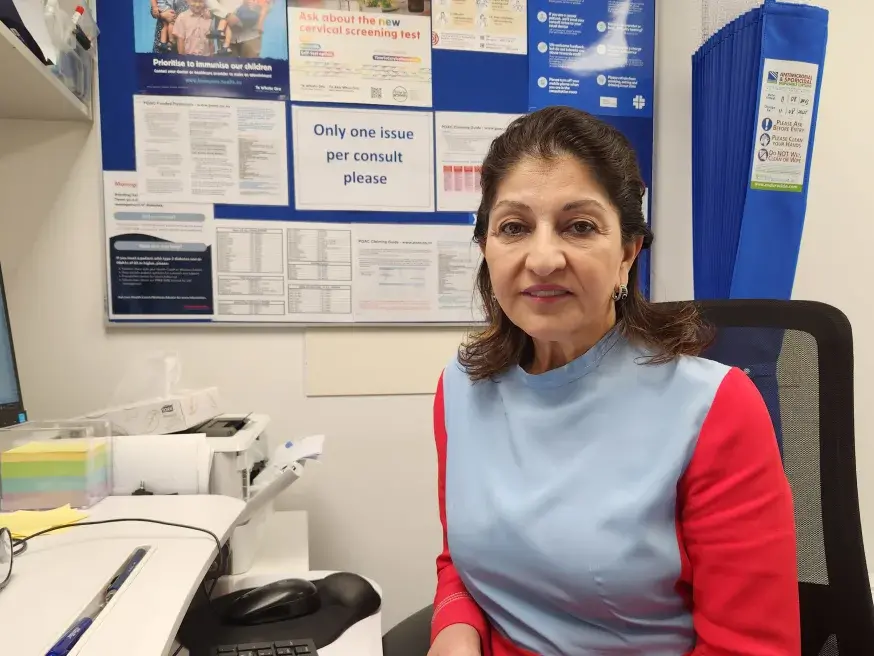
An Auckland doctor based in Otara said crowded housing makes children in her community more vulnerable to the spread of measles, and is doing everything she can to make vaccinations more accessible to families.
There are now six actively infectious cases of measles across the country, and three of them are in Auckland.
Health New Zealand said the total number of known cases nationally since 8 October is 28.
GP of nearly 30 years, Dr Oruba Khalil, is all too familiar with the damage the highly infectious disease can do to families - having seen how it affected her community in 2019.
"People with fever, whole families affected, we are seeing people at the carpark, lucky that we have a big clinic - we are allocating the people - the number of people affected by measles was very high," she said.
Khalil said the crowded living conditions of some families made them more vulnerable to the spread of the virus, and at higher risk for children to develop complications.
"Our population, if the kids have measles, and we are having the problems of housing and high rates of smoking, and these things, the kids can end up with pneumonia and lots of complications of measles," she said.
Khalil said her clinic, Otara GP and Urgent Care, had been sending texts to all enrolled patients who were recorded as not yet vaccinated with the measles, mumps and rubella (MMR) vaccine.
Two doses of the the MMR vaccine (after the age of 12 months) protected about 99 percent of people from getting measles.
The clinic had also been offering vaccinations in the evenings so that working families could make it.
The team was running an event on the evening of Friday 12 December, to raise awareness about measles and provide vaccinations, alongside music, food and activities.
Meanwhile, Pacific community health provider - the Fono - had been busy going door to door to follow up with families with children who weren't yet vaccinated.
The organisation had about 10,000 patients enrolled at its five clinics.
Its nursing manager Moana Manukia said it'd been challenging to get hold of people, and about half the time people weren't home.
She said sometimes it found that the family had moved out, but nonetheless, they'd make use of that opportunity to check the immunity of the new tenants.
Manukia said it still gave about 30 MMR vaccinations through its outreach teams every week - mostly to children under four.
She said it'd also been texting the parents of patients under 18 who were recorded as not immunised against measles.
Manukia said the response to those texts had been low, with just 10 percent of patients calling back.
She said the measles coverage for children under two had been good among patients, but coverage was lower for teenagers.
Manukia said it's possible that some of the older children may have been vaccinated overseas and had no records in New Zealand.
