
PHOTO
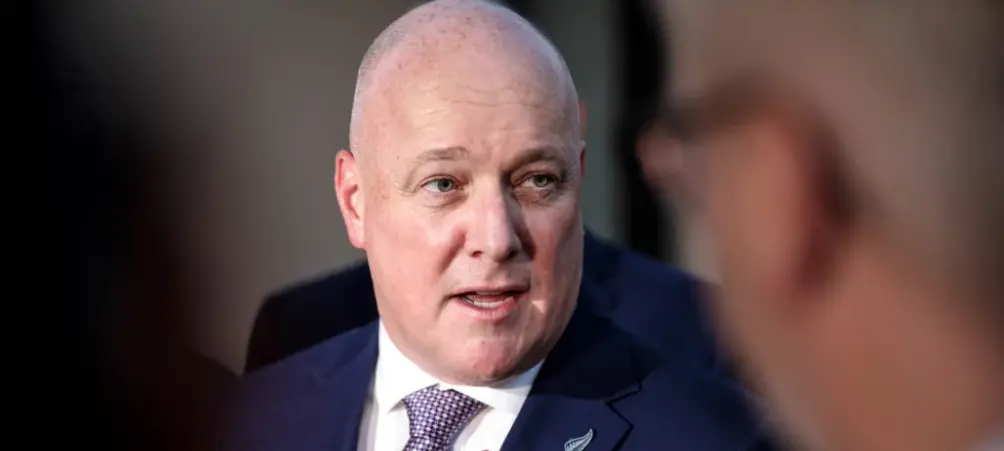
The Prime Minister says his office is working on publicly releasing another lobbying document connected to a transparency saga.
Christopher Luxon today said he accepted the findings of an Ombudsman's report that his office was "unreasonable" to withhold documents from an official information response.
Luxon's now former chief policy adviser, Matt Burgess, was handed documents by lobbyists from Z Energy and dairy cooperative Fonterra calling for legal changes to prevent companies being sued under tort law for climate emissions damages.
Another document has arisen as part of the Ombudsman's investigation, named the Z Energy addendum document, which had also been provided to Burgess.
It had not been released publicly and therefore no decision under the Official Information Act (OIA) was made on whether to make it available to the requester.
RNZ has requested this document, and Luxon told RNZ his office was working on releasing it.
"As I understand it, there's commercially sensitive information in that, but we will work our way through that as quickly as we can."
In terms of the Ombudsman's decision, Luxon said it was a "very fair report".
"Fully embrace it, and I fully embrace all the recommendations as well. As I said at the time, didn't meet our high expectations and standards, that's why we've made sure that every staffer is fully aware of their obligations."
Luxon said he disagreed "completely" with Burgess' claims that it was not common practice for staff to take records of the content of meetings, as well as his claim that staff often used personal email accounts because Parliament's IT systems were inadequate.
"He no longer works for us and hasn't for some time, but the issue for me is making sure that all staffers understand their obligations," Luxon said.
"I've not seen widespread evidence of people using their personal email accounts. My staff are well aware of their obligations, and again, that has been reinforced.
"The responsibility and the obligation is that they need to record those meetings and maintain transparency and trust."
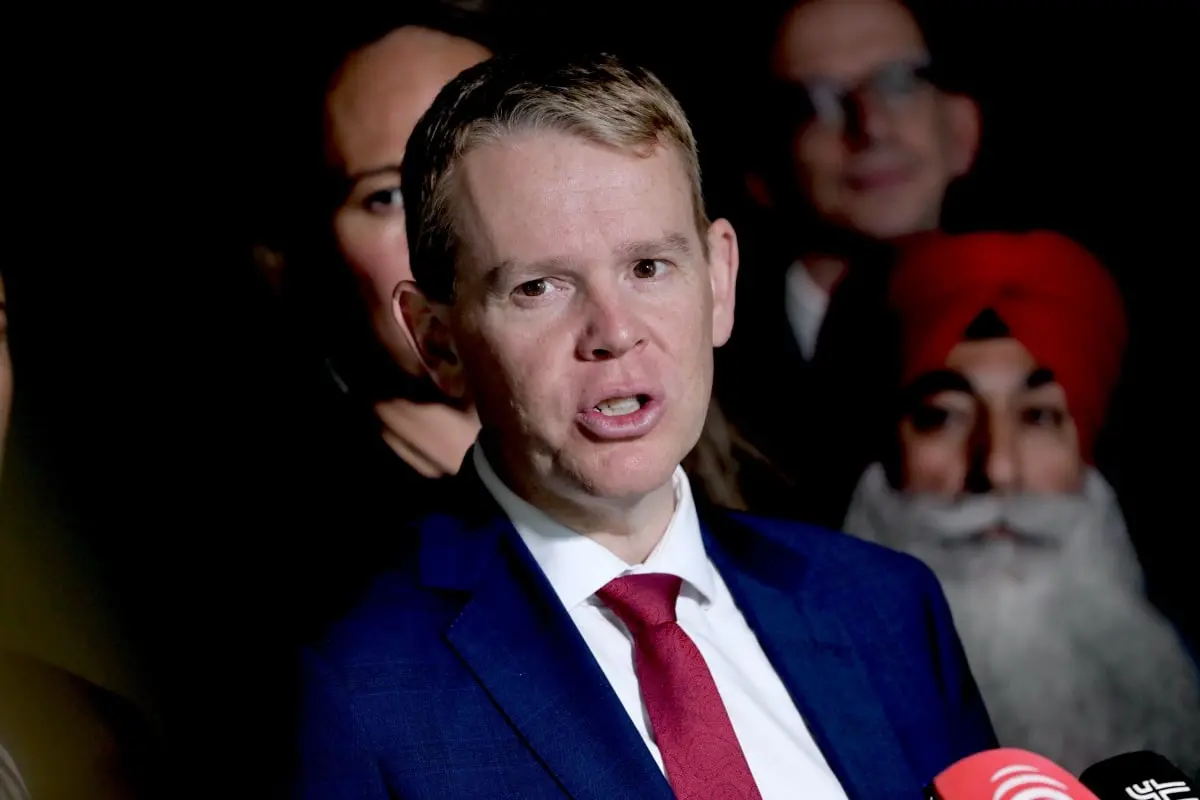
'No justification' for personal email use - Labour
Labour leader Chris Hipkins said the matter "stinks to high heaven".
"They seem to have gone to great lengths to prevent that information making its way into the public domain, even though people have been repeatedly asking for it. That's simply not good enough."
He said the Ombudsman's findings confirmed "what we suspected all along, that there was a deliberate and concerted effort by the prime minister's office not to release this information when they were legally obliged to release it".
Note-takers were often present in meetings when he had been Prime Minister, Hipkins said, but whether notes were taken depended on the meeting.
"But if you're given written documents, there is an expectation that you'll have a system for recording that and for releasing that information when it's asked."
There was "no justification for the use of personal email".
"Historically going back, there were real issues with the IT system in terms of people travelling overseas not being able to access their information and so on.
"The parliamentary IT systems here have been upgraded substantially since then, you can now access your email and your files pretty much anywhere in the world at any time using just about any device."

Second case of personal email use
Meanwhile, the Green Party, through an OIA, found lobbying material from Beef+Lamb NZ about Resource Management Act reform was sent in February to the private email of a staff member in the office of ACT MP and parliamentary undersecretary Simon Court.
Greens co-leader Chlöe Swarbrick said that was the only other instance of a member of the government executive found to have done so - but suggested there could be more.
"Yeah, so far," she said. "I think a one-off you could say is a problem, but when we have two very clear examples now of private emails being used to communicate with lobbyists that we're starting to see a bit of a pattern.
"All parliamentarians, the Prime Minister, Ministers, have a vested interest in ensuring that New Zealanders trust our democracy and the institutions like Parliament, which means improving these rules and improving, or rather minimising, the access that lobbyists currently get."
ACT leader David Seymour said it was the first he had heard of the Simon Court instance, and while personal email accounts should not be used for official work he suspected there was little harm done.
"I occasionally have people come to me and say 'Oh, if you use a personal email, the OIA doesn't apply' - that's rubbish, that's not true ... it doesn't actually make a legal difference."
He said he would not be surprised if someone had frustration with printing something on the parliamentary IT system but argued that in the end it had been uncovered using the Official Information Act so the system was working.
"It may well be that they didn't solicit it, that somebody who had that email address used it.
"This is a bit crazy, there's some bigger problems in New Zealand. He's complied with the law, he's released it under the OIA, frankly I think there might be one or two bigger issues in New Zealand today."
He agreed that personal email accounts should not be used. Asked if he would direct his staff so, he said he thought it was "already widely understood".
This story was first published on rnz.co.nz |  |