
PHOTO
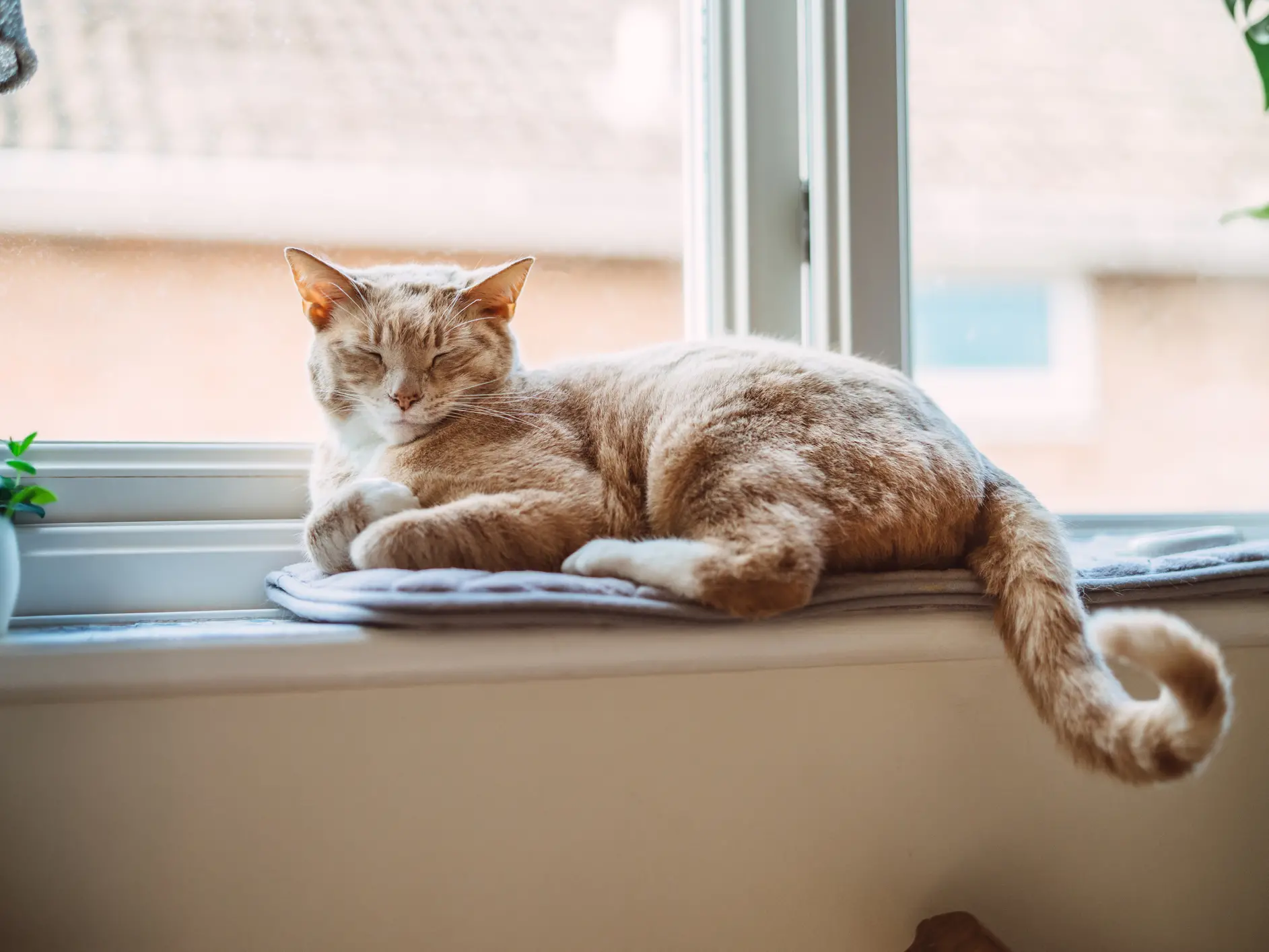
A woman who moved house and took the neighbours’ cat with her has been ordered to return it after police were called and a tribunal got involved.
Diane* said she was "surprised" to have the police knock on her door two months after she moved house late last year and hear that her former neighbours were looking for their beloved Moggy*.
It wasn’t until Moggy’s adventure away from home extended longer than usual that the neighbours, Leanne and Michaela*, started looking for him and were told he had been packed up and moved with Diane.
The custody dispute has been thrashed out in the Disputes Tribunal, which decided that Moggy, the social butterfly of his former neighbourhood, was to go home to his rightful owners.

Tribunal referee Lucy Trevelyan reached her decision after applying the legal test of conversion, which happened when someone "intentionally deprived the owner of goods or possession of their goods".
Diane said she did not want to part with Moggy, whom she had renamed and who was loved by her family.
Moggy adopted after moving house
According to the tribunal decision, Moggy was adopted by Leanne and Michaela from a neighbour in 2021.
That neighbour had got a dog, whom Moggy was afraid of, so the cat took up residence next door, Trevelyan said.
Leanne and Michaela said they had Moggy microchipped and registered in their name with their local vet.
They provided the tribunal with vet records, a copy of the microchip records and a collage of family photos of Moggy from over the years.
They said they took good care of Moggy, including getting him regularly vaccinated and medical attention when needed.
When they went away, they boarded Moggy at a cattery or arranged for the neighbour to feed him.
The owners described Moggy as a "very social cat" who was prone to wandering. He would regularly visit neighbours and would sometimes stay away for as long as three or four nights, but would always return home.
Occasionally, they had to pick him up from the vet after he was taken there while wandering, but they were reunited with him using his microchip, Trevelyan said.
Moggy mostly slept on Leanne’s bed, and they fed him every day at their house.
However, he went missing about a year ago.
At first, they were not worried because it was not uncommon for Moggy to sleep over at someone else’s house.
But they grew increasingly concerned when he stayed away much longer than usual, Trevelyan said.
They made inquiries with neighbours and were told that Diane, who had lived nearby, had recently moved and taken Moggy with her.
Leanne and Michaela contacted the police but after the police had visited Diane, Leanne and Michaela were told it was a civil matter and the police were unable to help.
‘Abandoned’
Diane had known the cat since around 2018, and believed he had been abandoned by people who had moved house.
She told the tribunal he was effectively a "neighbourhood cat" and was cared for by all who lived in the area.
Diane said Moggy started spending more time with her family around 2021.
According to the tribunal’s decision, it appeared Diane had refused to give Moggy back when her former neighbours asked.
Diane later said that Moggy spent most nights with her family and was fed by them twice a day.
He had become a "member of her family" so they decided to take Moggy with them when they moved.
Diane believed Leanne and Michaela had "taken advantage of her" because she had fed and cared for the cat for so long.
She also provided the tribunal with photos of Moggy.
Trevelyan was satisfied that the photos from each party were of the same cat.
"I am also satisfied that it is most likely that [Leanne and Michaela] are the owners of [Moggy].
"This is because of the evidence they have provided that his microchip is registered to them, and because of the extensive vet records they have provided going back to October 2021 when they first adopted him," Trevelyan said.
She understood Diane had been told Moggy was a "neighbourhood cat" but found that was most likely incorrect.
Cat conversion proven
She also understood Moggy’s social roaming nature may have led Diane to think he did not have a permanent home and that when Diane moved and took him, it was likely she did this "in the honest belief that he did not have an owner".
However, since she was visited by the police around two months after she moved there could be no doubt Diane knew that her former neighbours claimed ownership of Moggy, Trevelyan said.
"I consider that there has therefore been a conversion of [Moggy] by Diane when she refused to return him to [Leanne and Michaela]."
The tribunal was able, by law, to order the delivery of specific property to a party in proceedings.
"I consider this is the appropriate remedy in this case," she said.
*Names have been anonymised in line with Disputes Tribunal rules over name suppression.
- Tracy Neal, Open Justice reporter