
PHOTO
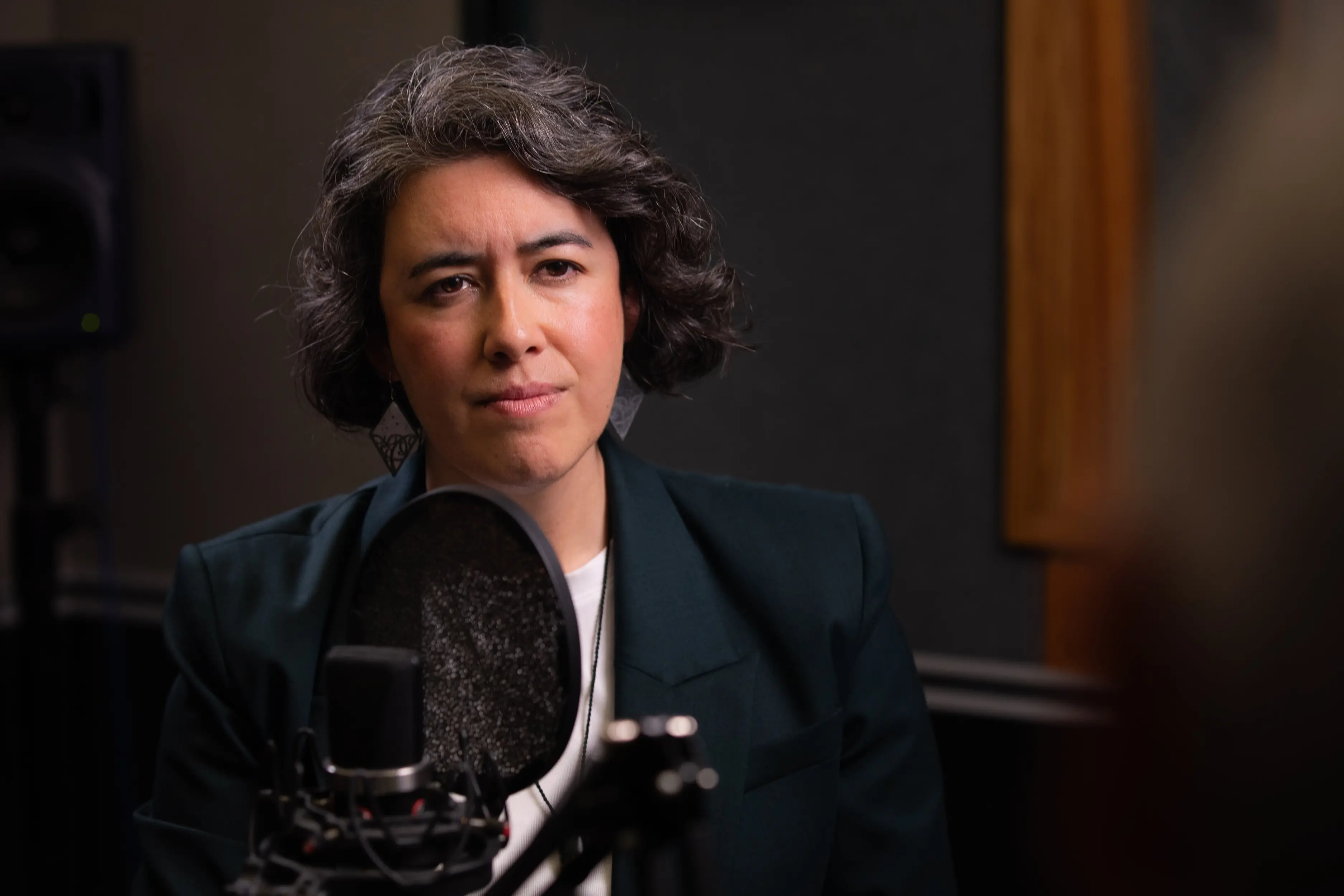
The Children's Commissioner says the latest report on child poverty reveals the country's "national shame".
The Ministry of Social Development published its Child Poverty in New Zealand report on Thursday.
It revealed a growing number of children in material hardship, reaching 13 percent between 2023 and 2024, up from 11 percent three years prior.
Children's Commissioner Dr Claire Achmad said the government was failing to protect the rights of the 170,000 children living in poverty right now, up by 47,500 in 2022.
Achmad said the report "shines a light on what has become a national shame in our country".
New Zealand did better than the European Union average of 14 percent,.
But it was overtaken by several other countries - Lithuania, Latvia, Italy, Portugal, and Cyprus - it had previously done better than,
"New Zealand is a small, relatively rich country. It's inexcusable for us not to be at the right end of these rankings internationally," Achmad said.
"What material hardship means, for example, is that we see children who are going hungry. They are cold because they are in severe housing deprivation.
"They're also experiencing preventable respiratory illnesses, which can actually lead to death and can have a lifetime impact on their health."
She said childhood poverty could have a lifelong impact on health, education and justice outcomes.
"Preventing child poverty is absolutely urgent, because to not do so means that children are missing out on their basic rights in childhood."
Poverty in New Zealand was preventable but required bold cross-party action and clear policies, Achmad said.
"We need to see policies that are going to prioritise children's basic rights to things like housing and their health."
Achmad sent an open letter to party leaders earlier this week, calling for a commitment to a child poverty accord, to fight inequality.
She said child poverty needed to have the same significance as given to other issues.
"If we can agree a national infrastructure plan, then surely we can do the same when it comes to the rights of our children and young people in New Zealand.
"We are simply not going to move forward as a country if we keep leaving thousands of children behind."
