
PHOTO
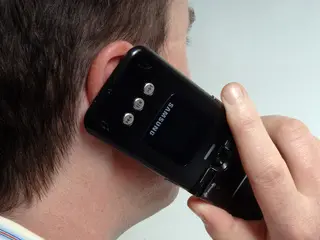
Don't fine drivers for texting and talking on their cellphones while behind the wheel -- police should confiscate the phones and put them in the post, says one road safety researcher.
Clive Matthew-Wilson said overseas research showing that teenagers, who are the most vulnerable road users, tend to ignore cellphone bans and depriving them of their cellphones would be a more effective enforcement tool.
A Transport Ministry report on public consultation about motorists using cellphones is due out in September.
Transport Minister Steven Joyce said he is seeking rule changes to ban voice calls and texting while driving if officials think it will work.
The Insurance Council also said anecdotal evidence also points to more and more people making accident insurance claims in which a driver was either talking on a cellphone or texting.
Police blame a sharp rise in fatal crashes on Auckland roads on cellphone use as the city's road toll stood at 55 this year, equal for the whole of 2008.
But Mr Matthew-Wilson, editor of the Dog & Lemon Guide car buying guide, said a n American study, by the Insurance Institute for Highway Safety, showed the percentage of teens observed using cellphones in North Carolina actually increased five months after a ban went into effect.
Instead of fining drivers who use handheld cellphones, Matthew-Wilson said police should have the power to temporarily seize cellphones.
Instead of issuing a ticket, the officer would instruct the offending driver to write his or her address onto a pre-paid, padded envelope.
The offending phone would be put in the envelope and it would be posted in the nearest mailbox. The offender would get the cellphone back in a few days.
After two offences the cellphone could be permanently seized.
"Simply banning cellphones may not work because many users are prepared to risk a fine rather than miss a call," Mr Matthew-Wilson said.
"However, most cellphone users would hate to lose their cellphone -- even temporarily -- and this fear would eventually modify their behaviour."