
PHOTO
Make it cheaper, and they will come.
Make it reliable and accessible and easy to understand, and they will come.
There really is no great secret to getting people to consider altering their personal transportation habits, leaving the car in the garage, and hopping on a bus to get to work or the supermarket or the football ground.
Do not argue about the environmental benefits until you are blue in the face. Do not even dive too deep into the economics of the private v public transport debate. And, no, forget about waxing lyrical about the luxury seating options and ambience.
Just make it as easy and as cost-effective as possible to ride that bus.
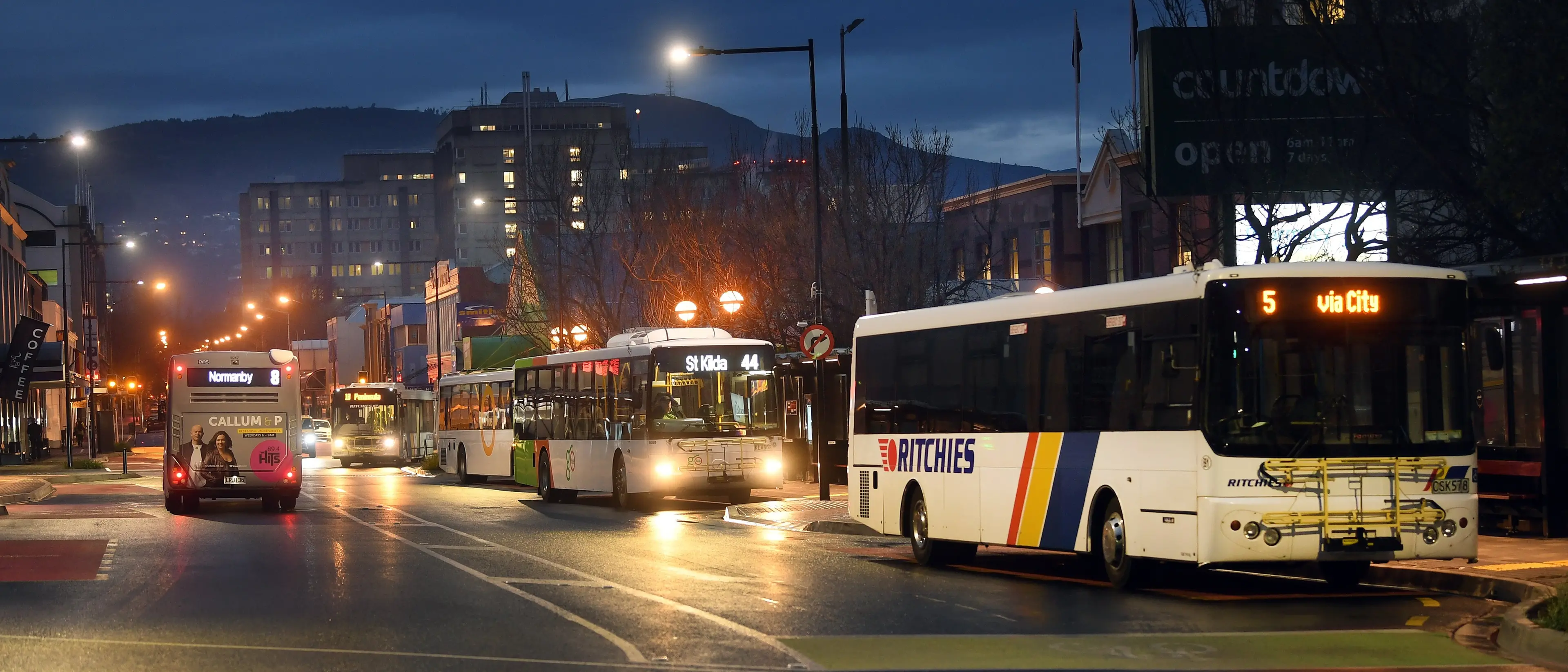
That appears to be the clear message from the spike in bus patronage in Dunedin during the latter stages of Covid-19 restrictions.
Free buses prompted hundreds more people to jump aboard in the middle of June than at the equivalent time last year, when coronavirus was not on anyone’s radar.
The big question is whether that trend will be maintained when, in August, bus fares return to Dunedin, albeit largely cheaper than they were pre-Covid thanks to the introduction of flat fares, which will include a free transfer to a second bus.
Otago Regional Council transport manager Garry Maloney certainly appeared buoyant when he said the council believed people had been ‘‘enticed by fare-free travel to try the bus service again for the first time in years, and we really hope they stick around for the upcoming, tag-on tag-off system.”
If more people do indeed embrace bus travel, it will be good news for the city.
As the consultation period on the flat fares proposal nears an end, however, we hope the council has taken note of some of the discussion around how the fares, while cheaper for most, will actually end up disadvantaging some travellers.
A draft Dunedin City Council submission showed children and tertiary students — two groups generally, for good reason, favoured with proportionately lower fees — would end up paying higher fares than they do at present for single-zone travel.
That is an anomaly that needs to be sorted, and it was pleasing to see Mayor Aaron Hawkins declare the Dunedin City Council was keen to work with the regional council ‘‘to mitigate impacts of the fare change’’.
There’s a good feeling in the Dunedin bus community.
The new hub seems to be working well, buses are free and will still generally be cheaper than before when fares return, the simple new Bee Card system is coming, and the drivers are celebrating the likelihood of receiving the living wage.
Now let’s see what we can do about that luxury seating.