
PHOTO
In late 2017, almost nine years ago, Cabinet appointed me to chair the governance group of the new Dunedin hospital.
The new Labour government had watched from Opposition while not much happened, and now they wanted action.
My first ever meeting on the job was with David Perez, a recently retired oncologist, who has an abundance of commonsense. He was chair of the clinical leadership group comprising clinicians of all descriptions — nurses, doctors, physiotherapists and other health professionals.
The clinical leadership group had been busy. They had developed and written a series of policy papers to guide the design of the new hospital.
These included the importance of primary and community health, the need for the hospital design to be flexible so it could change as health system evolved in decades to come, the appropriate use of digital technology, and above all the need to put patients at the heart of thinking.
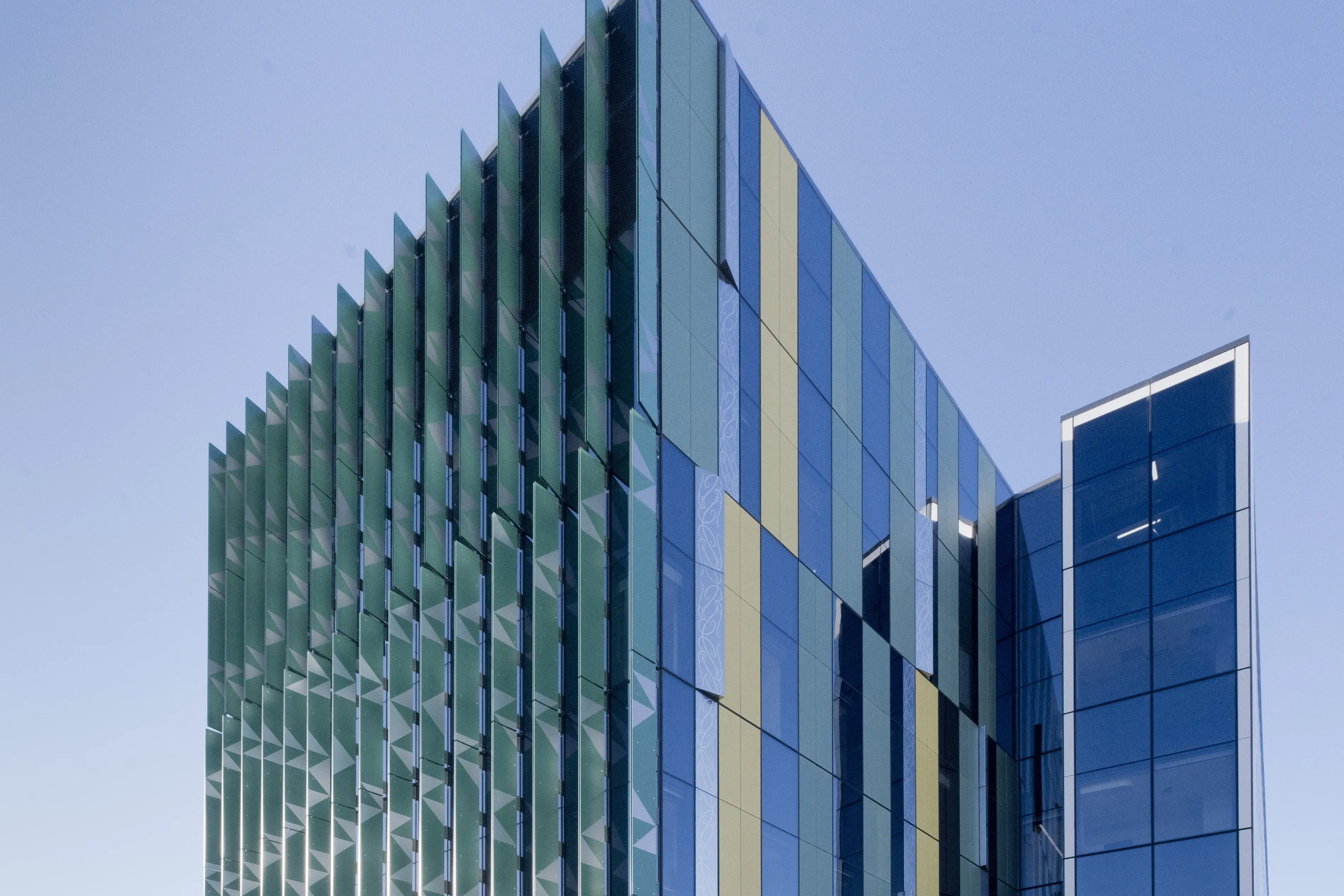
Dr Perez made a strong case for separate buildings for inpatients and outpatients. The clinical leadership group’s view was that a separate outpatient building would allow a culture of health rather than a feeling of illness to pervade.
Most patients would walk in, see their specialty team and walk out. Booking systems would be streamlined. Wayfinding would be of a high quality. Services would strive for efficiency and have the physical space to achieve it.
Whereas the inpatient building would meet the needs of often very sick people, the outpatient building would see people who were typically not very sick, or not sick at all.
The culture difference mattered. His message stayed with me.
In 2018 things moved quite quickly at first. The governance group I chaired, the Southern Partnership Group, focused on deciding and securing the site in the first few months.
Then the very first phase of design began, known as master site planning. A Wellington architectural firm led the process, consulting and refining over 17 weeks.
A master site plan determines how many buildings will be built, approximately how many storeys they will have, on which block or blocks of land they will occupy, and where pedestrians, cars and ambulances might come and go, and so on.
Of course I advocated for two buildings as did many others.
A thorough and open process considered everything from the needs of the university, the turning circle for ambulances, the situation of a substation, to shading, the possible relocation of oncology or acute mental health in the future and much more besides.
The clearly preferred option was a smaller outpatient building north of St Andrew St and a much larger, taller inpatient building on the Cadbury site. In other words, what we are now getting.
About this time, clinicians became concerned at the ability of our current hospital to last the distance until the new one was up and running. The existing hospital is inefficient and accident prone.
There was, and is, a particular need to get more day surgery throughout. That simultaneously improves waiting lists and efficiency.
Existing working conditions were poor and still are. The management of the Southern District Health Board actively contemplated solutions that made little sense to me, such as building temporary and expensive theatres in the car park outside the emergency department.
Therefore, in late 2018 I approached Health Minister David Clark and Finance Minister Grant Robertson. I asked if they “had the readies’’ to allow us to fast-track the outpatient building and fit it out with day surgery facilities.
They agreed on the spot. I was optimistic that we would be able to relieve the pressure on our existing hospital reasonably quickly.
We immediately put the design of the outpatient building on a faster track. Clinicians could see that we were responsive to their concerns. Advice from various construction industry grey heads was that we would be able to make good progress.
But the clouds of indecision and relitigating were already starting to gather, even before Covid or the war in Ukraine had arrived.
Delay took hold. Finishing the outpatient building has taken almost another eight years, rather than the four to five we had expected.
That surely is a fail. In a second article I offer my personal analysis of that dreadful failure and suggest how best to avoid it again.
That analysis will contain no criticism of local officials or local clinical staff. They have been a consistent voice of reason and a source of some remarkable lateral thinking.
I thank them. We should all thank them.
Meanwhile on the bright side the decision to fast-track means that we can at last relieve pressure on the existing hospital well before the inpatients building opens in 2031.
I hate to think how staff might have managed if the outpatients building was still another five years away.
- Pete Hodgson is the former chairman of the new Dunedin hospital project. This is the first of two articles; the follow-up will run tomorrow.