
PHOTO
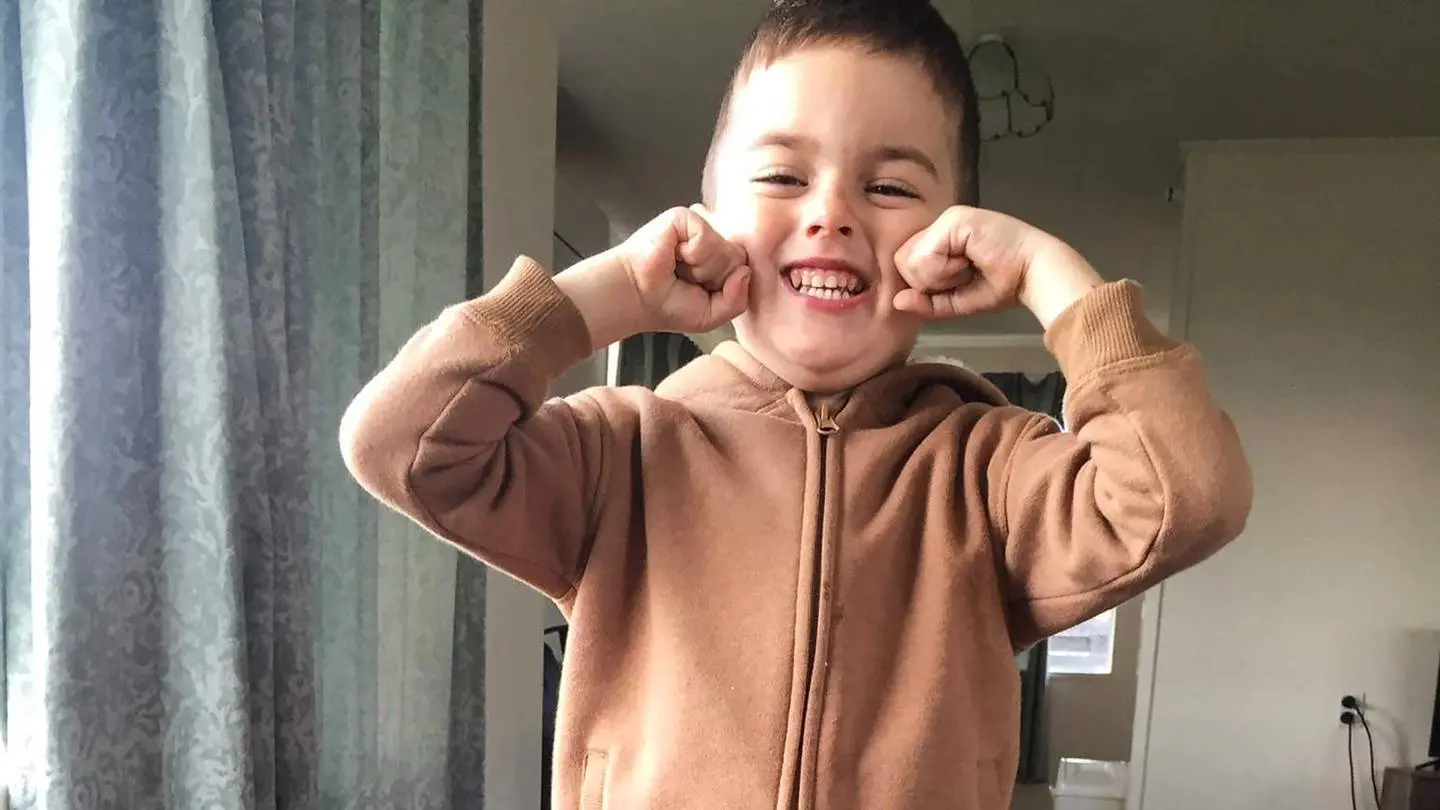
Oranga Tamariki failed to take the bare minimum action when concerns were raised about the safety of a child who was later murdered by his carer, the Chief Ombudsman has found.
Five-year-old Malachi Subecz suffered months of abuse at the hands of his carer, Mikaela Barriball, including being beaten and burned, before he was murdered in November last year.
Malachi was placed in Barriball's care when his mother was sentenced to prison early last year. While with Barriball, he had been living in a cabin at the back of a Tauranga property where he was tortured for months.
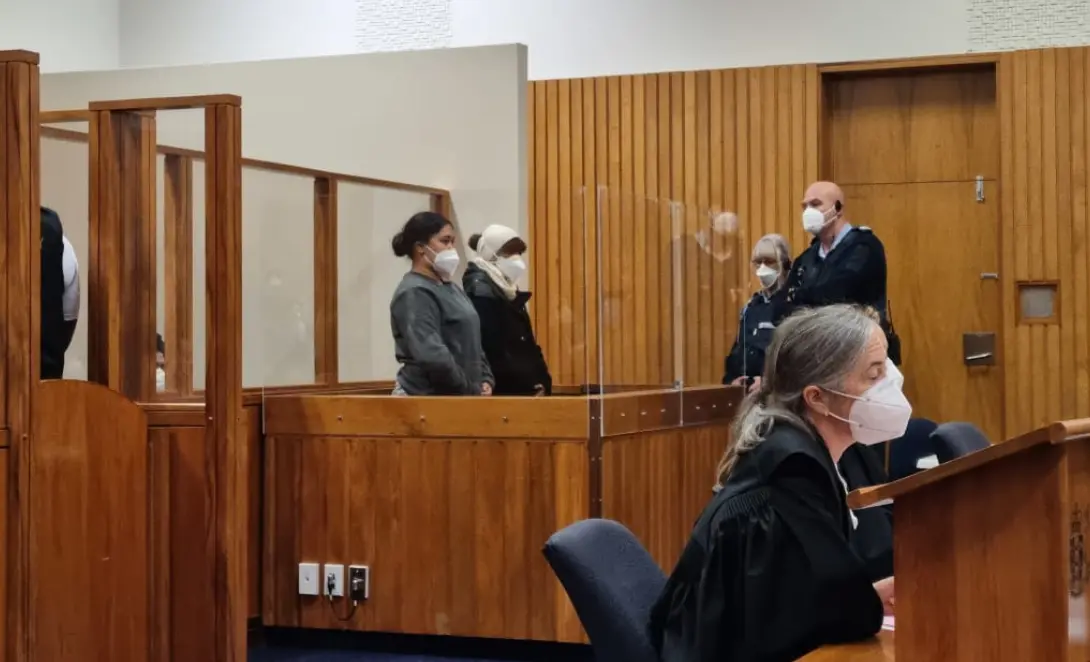
In June this year, Barriball (27) was jailed for life with a non-parole period of 17 years.
Her sister, Sharrron Barriball, (37) admitted a charge of attempting to pervert the course of justice when she appeared in court in April this year.
Malachi's wider whānau complained to the state's welfare agency, also known as the Ministry for Children, several times last year, concerned about the child's safety.
But in a review released on Wednesday, Chief Ombudsman Peter Boshier said no action was taken, going on to describe Oranga Tamariki's response as "a litany of failures".
"Oranga Tamariki's own law and policy puts the well-being of a child at the centre of decision-making that affects that child. Malachi's wider whānau raised concerns about his welfare at the hands of his carer."
He said the Crown agency failed to take the "bare minimum" of action to protect Malachi, despite the child's wider whānau first raising concerns in June 2021. Among the evidence provided was a photo of Malachi with a suspected bruised eye.
But after the complaints were received, Oranga Tamariki spoke to Malachi's mother in prison, who had no concerns, Boshier said. The ministry decided to take no further action.
"Malachi's welfare and interests were not prioritised; they were instead wrongly assumed to be addressed or overridden by his mother's endorsement of his carer, in spite of evidence that he may not be safe," he said.
This prompted a further complaint that no action was being taken. Again, nothing was done. Boshier said there was no evidence that Oranga Tamariki met with Malachi himself to find out what he felt about his living situation, nor did it do a safety check on the carer's home.
"It is my view that Oranga Tamariki omitted to do all that was necessary and desirable, and it should have investigated the report of concern."
Even when Malachi was admitted to hospital, his uncle again called the ministry to complain but was told at first there was no complaints process. Malachi died a short time later.
"A number of things are supposed to happen following a report of concern in cases where a child is at risk of harm or neglect and if it appears an investigation is necessary or desirable," Boshier said.
"If an investigation is begun, Oranga Tamariki is required to do an assessment followed by a safety and risk screen. The screen identifies whether immediate action is required to secure the safety of the child."
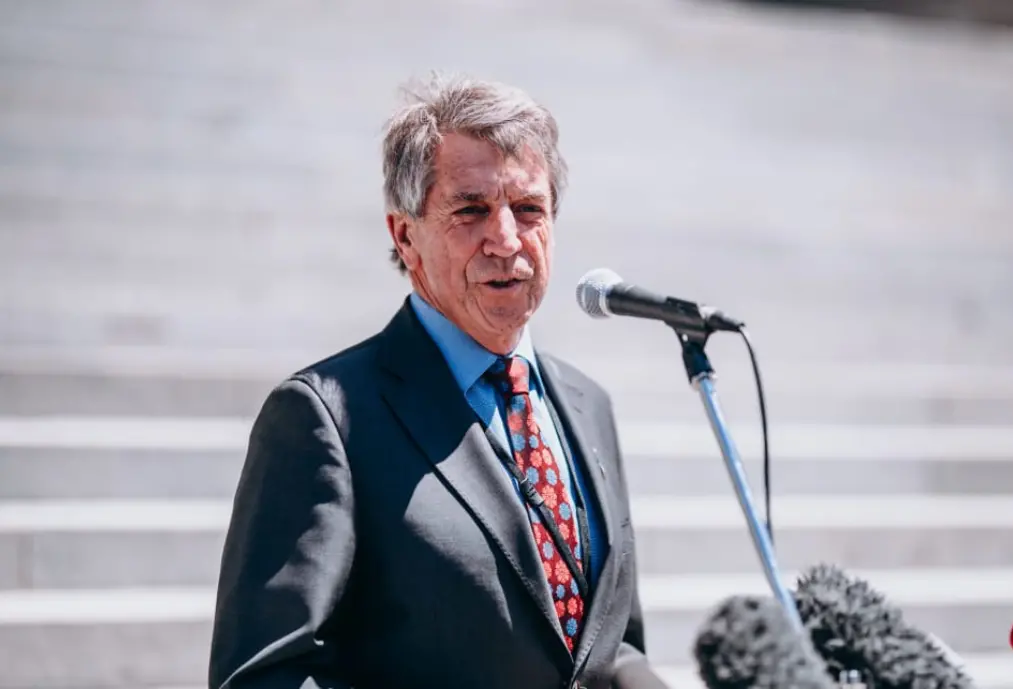
Boshier found none of these steps appeared to have been taken. There was also no record that Oranga Tamariki considered its obligations under the Child Protection Protocol at any stage.
He said the ministry acted unreasonably and wrongly and it should apologise to the whānau in a time and way that was right for them.
Oranga Tamariki said today it accepted the Chief Ombudsman's recommendations.
Two other reviews have begun into the case and Boshier said he would be closely monitoring their progress.
Oranga Tamariki was conducting a review into its practice, while Dame Karen Poutasi had begun an independent review looking at the roles and responsibilities of the different agencies involved in Malachi's care, he said.
"I believe my findings will help inform these reviews. The objective must be to prevent such tragedies from happening again."
Boshier said he expected Oranga Tamariki to report on the reviews' conclusions, and he may make further recommendations if he was not satisfied.