
PHOTO
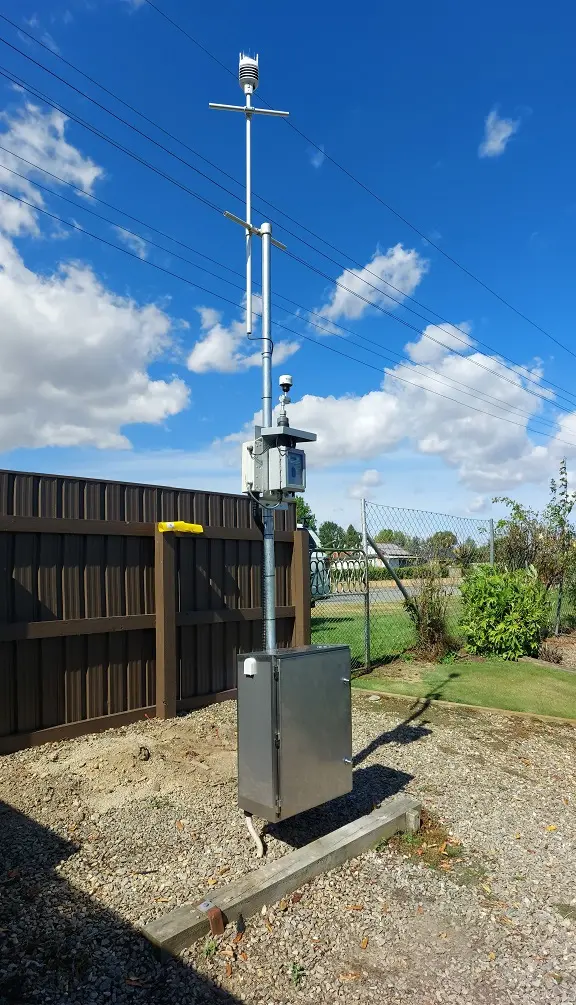
The upgrade of monitoring sites is going to give officials a better understanding of the region’s air quality.
The Otago Regional Council (ORC) has boosted six sites in Otago — Milton, Mosgiel, Dunedin, Clyde, Cromwell and Arrowtown — improving its ability to monitor finer particulate matter concentrations in the air.
The upgrades are part of a move to monitor PM2.5 and focus on smaller combustion-related sources of particulate matter.
Previous instruments only monitored PM10; solid or liquid particles smaller than 10 micrometres.
That includes vehicle, industry and home heating emissions as well as natural sources such as dust or pollen.
Sites at Mosgiel, Dunedin and Arrowtown have had new instruments installed to monitor both PM10 and PM2.5 as well as new instrument housing.
The Milton, Clyde and Cromwell sites have had new instruments installed to monitor PM2.5.
Combustion-related particulate matter is considered more harmful to health, as the smaller particles can enter the bloodstream after inhalation into lungs.
ORC general manager policy and science Anita Dawe said the new instruments would help monitor for "unhealthy" levels of pollution.
They were also more reliable, requiring less visits from technicians.
"We generally accept we’re able to enjoy good air quality most of the time. However, it’s vital we focus on improving air quality, where required, to enable us to live in a healthier region," she said.
The monitoring sites provided valuable information for monitoring air quality.
Air pollution data was also often shared for local studies.
"We are also hoping to install two new sites in Wanaka and Queenstown over the next 12 months which will monitor PM2.5 and help provide us with a picture of the air quality in these two towns."
The main source of PM10 in Otago is from home heating emissions.
The prevalence of home heating emissions in air quality data has led the regional council to run its annual Burn Dry, Breathe Easy campaign.
This campaign is designed to highlight better ways to manage home heating emissions and encourages residents to consider their health and that of others in their area when using wood burners.
Woodsmoke pollution can be reduced by burning only dry wood and keeping fires hot and not smouldering.
Further reductions in woodsmoke pollution could potentially be achieved through thermally efficient homes with good insulation, Ms Dawe said.
"During winter conditions people want to keep warm and be able to keep burning fuel, but everyone has responsibilities, whether at home or as landowners, industry or businesses to play their part in improving air quality."