

PHOTO
The removal of voting rights for non-elected council committee members has been met with disapproval from Invercargill’s deputy mayor.
In June, the government announced it was changing legislation so only elected members could vote on committees — a move it said was more democratic.
Invercargill City Council has approved new appointments to two of its committees this week in an attempt to plug the gaps created by the legislation.
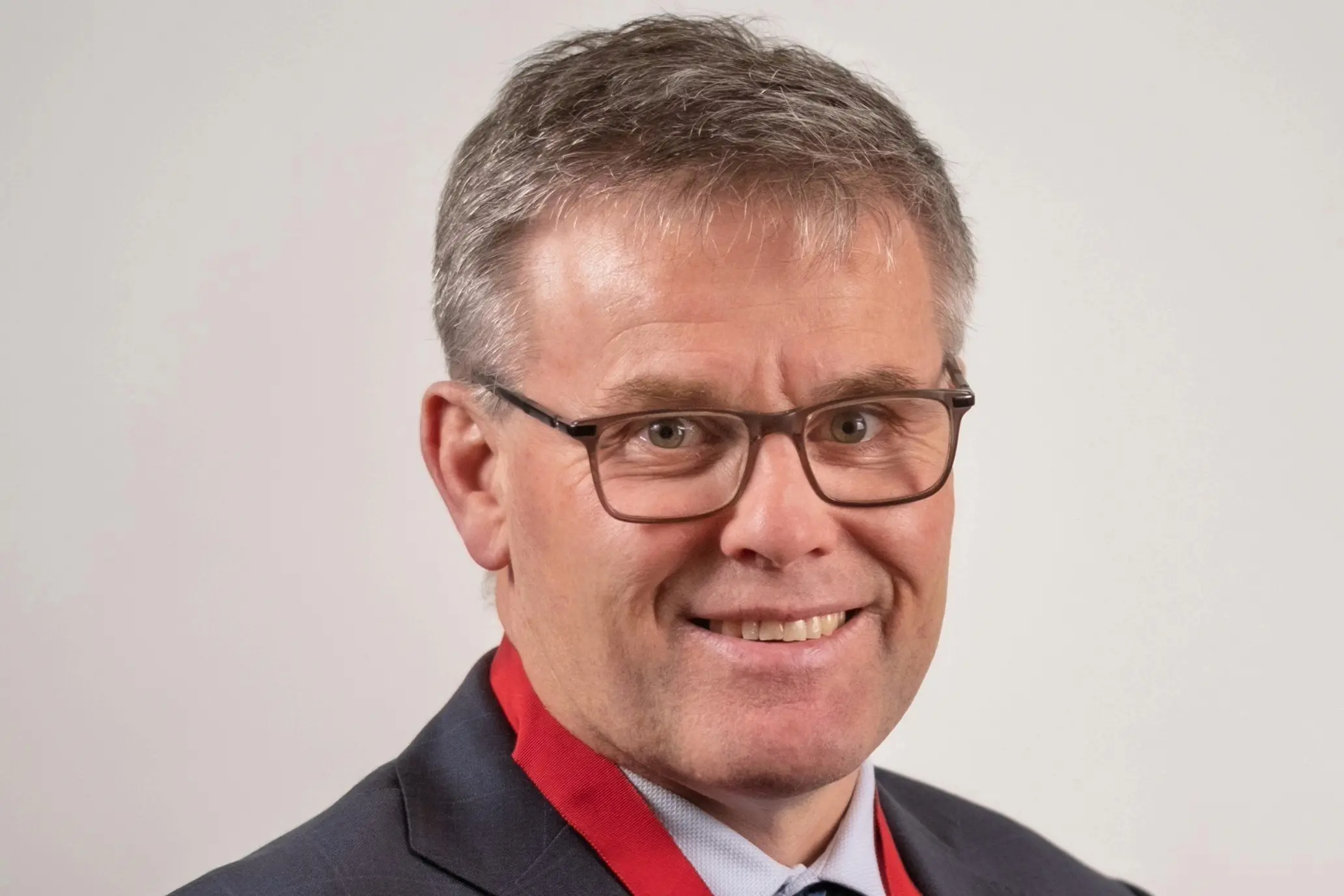
Deputy mayor Grant Dermody said the council recognised the value that appointed community members brought to decision making, and it was “disappointing” their voting rights would be removed under the changes.
“However, we continue to see an important place for these individuals to contribute in shaping the conversations held during council’s decision-making process,” he said in a statement.
“While their formal voting rights may change, their voice and input remains important.”
Under the government’s proposed changes, four non-elected committee members will lose their voting rights at the council.
Those include mana whenua representative Mike Bain, water committee deputy chair Lee Babe, risk and assurance committee chair Ross Jackson, and risk and assurance committee member Lesley Soper.
Three non-elected members on the council’s community wellbeing fund subcommittee would also no longer be able to vote.
On Tuesday, the council approved a proposal from Mayor Tom Campbell to add all councillors to the risk and assurance committee, and councillor Ria Bond to the water committee.
Cr Andrea de Vries questioned if two people should be added to the water committee given two members were losing voting rights, and council manager governance Michael Morris said he would discuss the matter with Cr Dermody and Mr Campbell.
The new appointments are effective from November 1, and a paper on the legislation changes is set to be presented at an extraordinary meeting on November 2.
Councillors will have an opportunity to discuss applying for an exception for appointees on the affected committees, Mr Morris said.

LDR is local body journalism co-funded by RNZ and NZ on Air.