The university said Critic was ‘‘a prime example of untruthful, unfair, inaccurate and mean-spirited reporting’’.
The University of Otago will no longer answer media requests from student magazine Critic, a decision the magazine’s editor describes as an insult to students.
In a statement the university said it was ‘‘choosing not to engage with Critic’’ because of its apparent ‘‘sluggish’’ response when asked to help get Covid-19 information to students, and for ‘‘mean-spirited reporting’’.
It has also pulled all of its advertising from the publication.
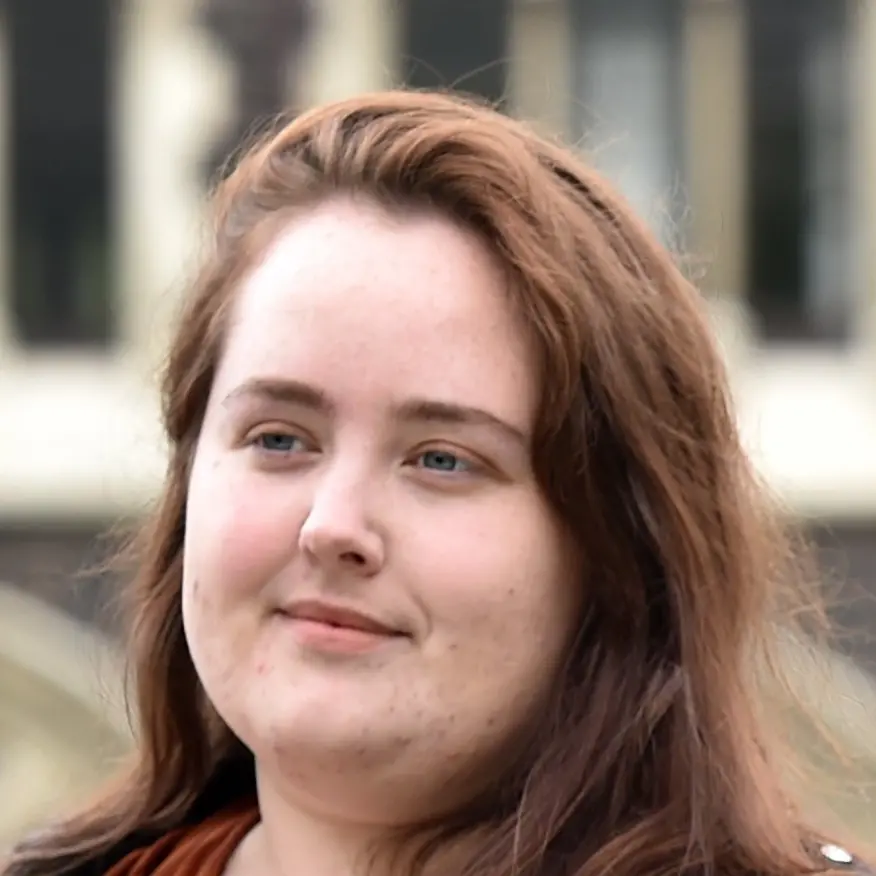
Critic editor Sinead Gill. Photo: ODT'An insult to students'
But editor Sinead Gill has fired back with a statement of her own, saying the university’s refusal to respond to its media requests ‘‘on the basis of perceived slights is not just an insult to the work we do, but an insult to students’’.
‘‘Students want to know what is going on with the university, and Critic is frequently entrusted to investigate their concerns. By refusing to respond to questions, Critic believes the university is refusing to engage with the issues that concern students.’’
The standoff appears to have stemmed from a recent editorial titled “University f**** up covid response”.
The university said it was ‘‘a prime example of untruthful, unfair, inaccurate and mean-spirited reporting’’.
It was prioritising the welfare of students and staff during the Covid-19 pandemic, it said.
'Shallow, unbalanced and mean-spirited reporting'
‘‘It is within this context that we especially value the mental welfare of University staff.
‘‘It is not professionally or personally sustainable to add Critic’s modus operandi to their work and mental burdens at this challenging time.
‘‘University staff have had repeated demoralising experiences with Critic in recent months. This has included inaccuracies, unfair, shallow, unbalanced and mean-spirited reporting, sometimes including naming and shaming.’’
The university said it was not given the opportunity for a right of reply before the editorial was published.
The University had not made a Media Council complaint against Critic. Photo: ODT files
The university also accused Critic of being slow to help with the Covid-19 response.
‘‘We really needed Critic’s help weeks ago, and in this context it was hypocritical for an editorial to now criticise the university when Critic was sluggish to help us get important messages out to the very students they should care for.’’
Ms Gill disputed that characterisation of Critic’s response.
‘‘Critic has complete media independence from the university, and was instead taking our lead from OUSA, our parent organisation, who also launched a Covid-19 campaign.
‘‘Critic has reported on how the Covid-19 response by the University affects students.’’
OUSA president Jack Manning said: "We are saddened that this is the university's approach".
"The Critic will no doubt continue to report on student-centric matters, without university input."
'University will not respond to Critic’s questions'
Ms Gill said Critic had sought clarification about the complaints, but had received none other than reference to the opinion piece. It had not received any complaints from the University until its statement.
‘‘Critic is deeply concerned at the university’s unwillingness to be criticised by its students.
‘‘We do not believe that accusations of “inaccur[ate], unfair, shallow, unbalanced and mean-spirited reporting” reflects the strength of our reporters to communicate campus news to students in a way that students want to read.’’
She said opinion pieces did not require a right of reply because they were the opinion of the author.
‘‘We realise that the university’s current focus is on the response to Covid-19, but cannot accept at any point that the university is no longer open to scrutiny by the very students who pay tens of thousands of dollars to attend it. That is wrong,’’ Ms Gill said.
The university also accused Critic of being slow to help with the Covid-19 response. Photo: ODT files
Critic had contacted the communications team for clarification, and to request details of the “inaccuracies” and “naming and shaming”. It received no response, she said.
The University had not made a Media Council complaint against Critic.
‘‘Critic will continue to contact the University for clarification, balance, and right of reply on every story we run in accordance with journalistic principles, and with the hope that they will one day reply to us.’’
The university said its communications staff were dedicated to the pandemic response, and it would continue to engage with the ‘‘many media outlets who will report with accuracy and fairness’’.
‘‘For now, the University will not respond to Critic’s questions. If there are Covid-19 or lockdown-related problems that Critic raises on students’ behalf, we will try and seek individual responses for those students involved and will discuss these with those students directly if they wish to come forward to discuss them with us.’’