
PHOTO
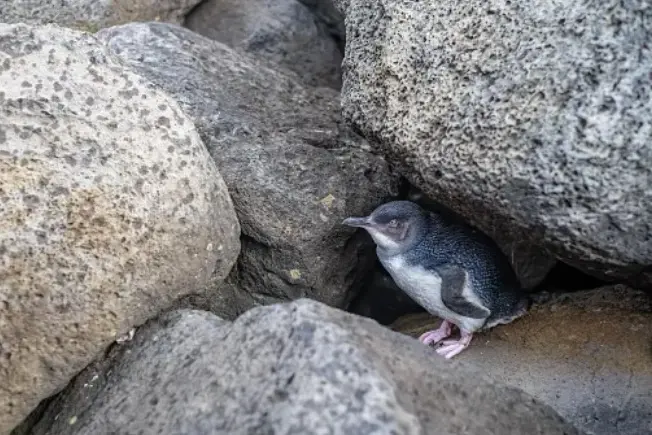
A little penguin has died from bird flu before a vaccination programme begins, among new positive detections of the deadly disease in wild birds across two states.
Victorian authorities confirmed the death of a penguin from Phillip Island on Saturday afternoon, the first detection in a penguin in the state.
The H5 strain of bird flu had also been detected in two crested terns, from Lakes Entrance and Domana on the Mornington Peninsula, bringing the state's tally to 74 positive cases.
Phillip Island's "penguin parade", when the birds waddle from the sea to return to their burrows after dark, is a major tourist attraction in Victoria.
More than 5000 penguins on Phillip Island and in St Kilda, Melbourne, would be vaccinated from Monday evening, chief veterinary officer Graeme Cooke said.
"Agriculture Victoria is working closely with Phillip Island Nature Parks to support vaccination of little penguins from Monday," he said.
'While the first detection in a little penguin is a concern, vaccination of little penguins on Phillip Island remains a meaningful way to help protect this important colony."
He said the vaccination programme, announced by the federal government this week, was not a guarantee against infection and the penguin colonies would be closely monitored.
Chief biodiversity officer James Todd said the Lakes Entrance detection was significant because it confirmed bird flu in East Gippsland and showed the virus continued to move through wild bird populations.
The Gippsland Lakes are home to large numbers of seabirds, shorebirds and waterbirds which were at higher risk to contracting the disease, he said.
In NSW, authorities confirmed on Saturday the disease had been detected in a dead greater crested tern found at Snug Cove near Eden on the south coast.
The bird was reported by a member of the public, and brings the number in NSW to five.
The NSW government said it was advancing plans to vaccinate priority captive native species to help safeguard vulnerable wildlife populations.
The H5 strain, which arrived in Australia in June, has killed hundreds of millions of poultry worldwide and devastated wild bird and marine mammal populations.
As of 4pm AEST on Friday, Australia had 219 confirmed events of bird flu in wild birds.
Community members should avoid touching sick or dead wildlife wherever possible and keep pets away from animals and carcasses.
Domestic animals, livestock and pets can also be infected, as well as humans, although threat to human health is low.